World
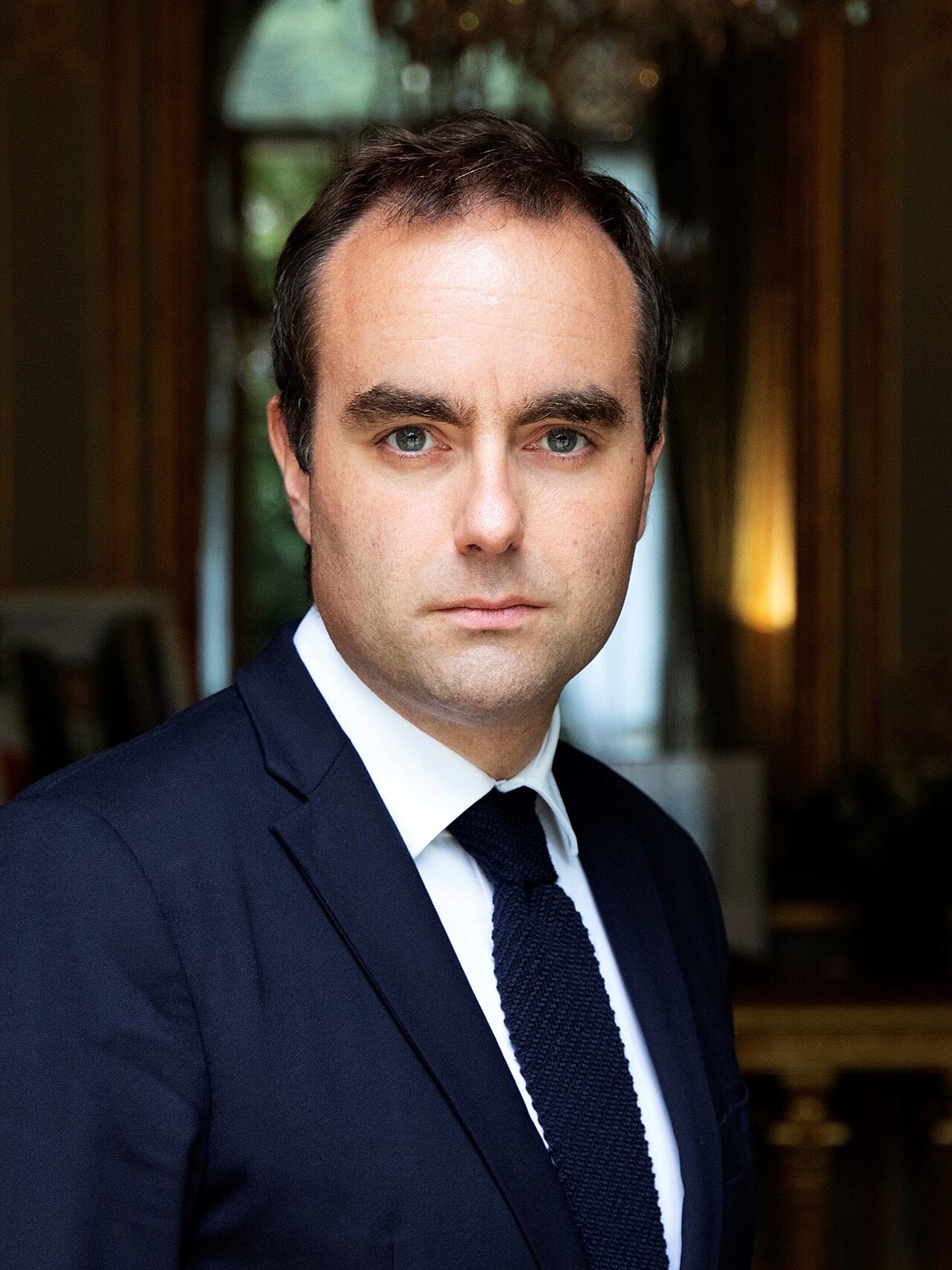
1,200 Arrested and 'Unprecedented' Looting as France's Protests Turn Violent
French Prime Minister Sébastien Lecornu confirmed 1,200 arrests and 150 police injuries after nationwide marches against the cost of living collapsed into mass looting and arson. A 143-year-old city hall in Limoges was largely destroyed and the government warned France may be near a point of no return.
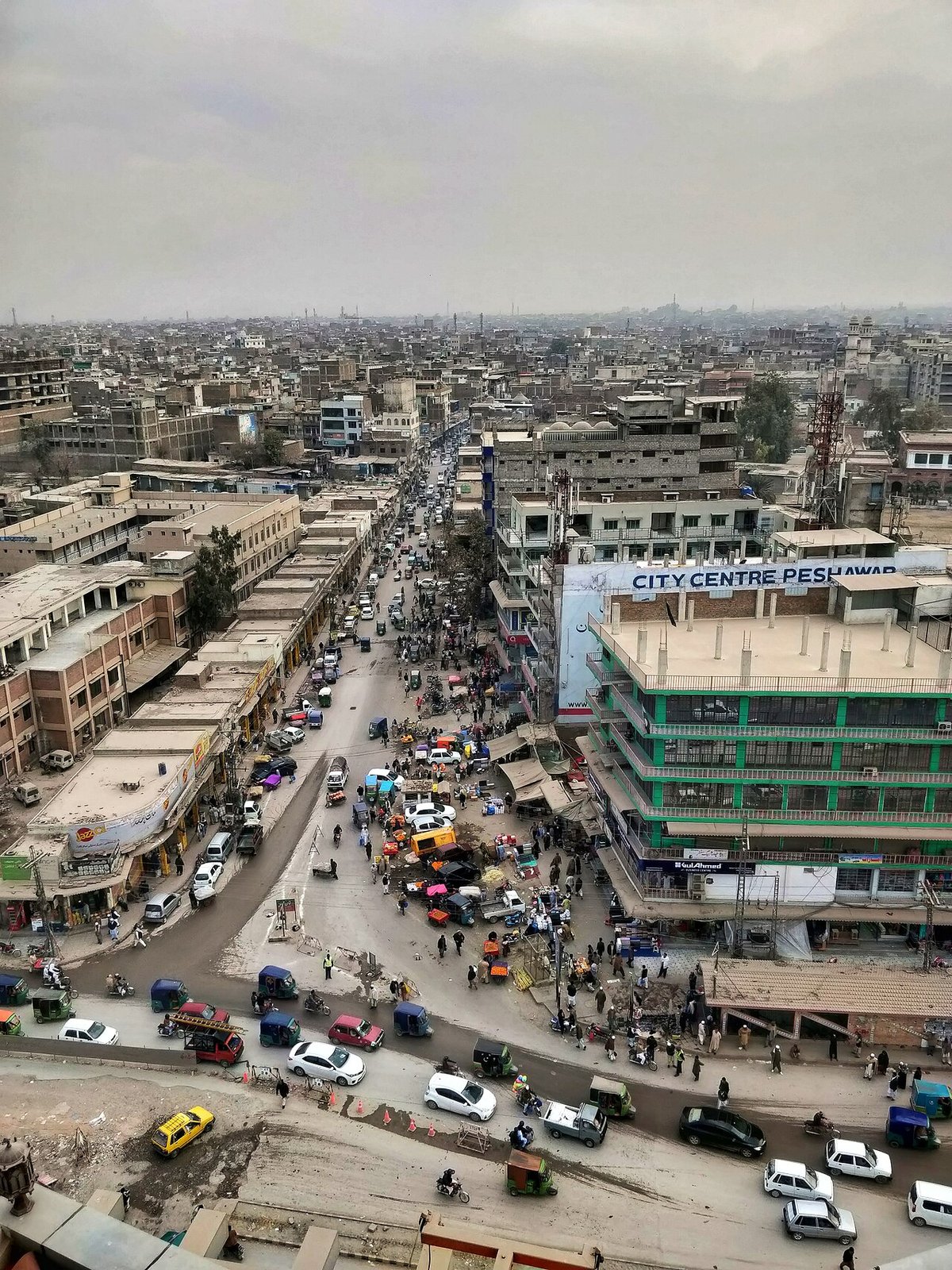
34 Children and Their Teacher Die as Peshawar School Roof Collapses
At least 34 pupils and a female teacher died on Thursday when the roof of the Al Khair Education Center in Peshawar collapsed during morning classes, killing children as young as six.
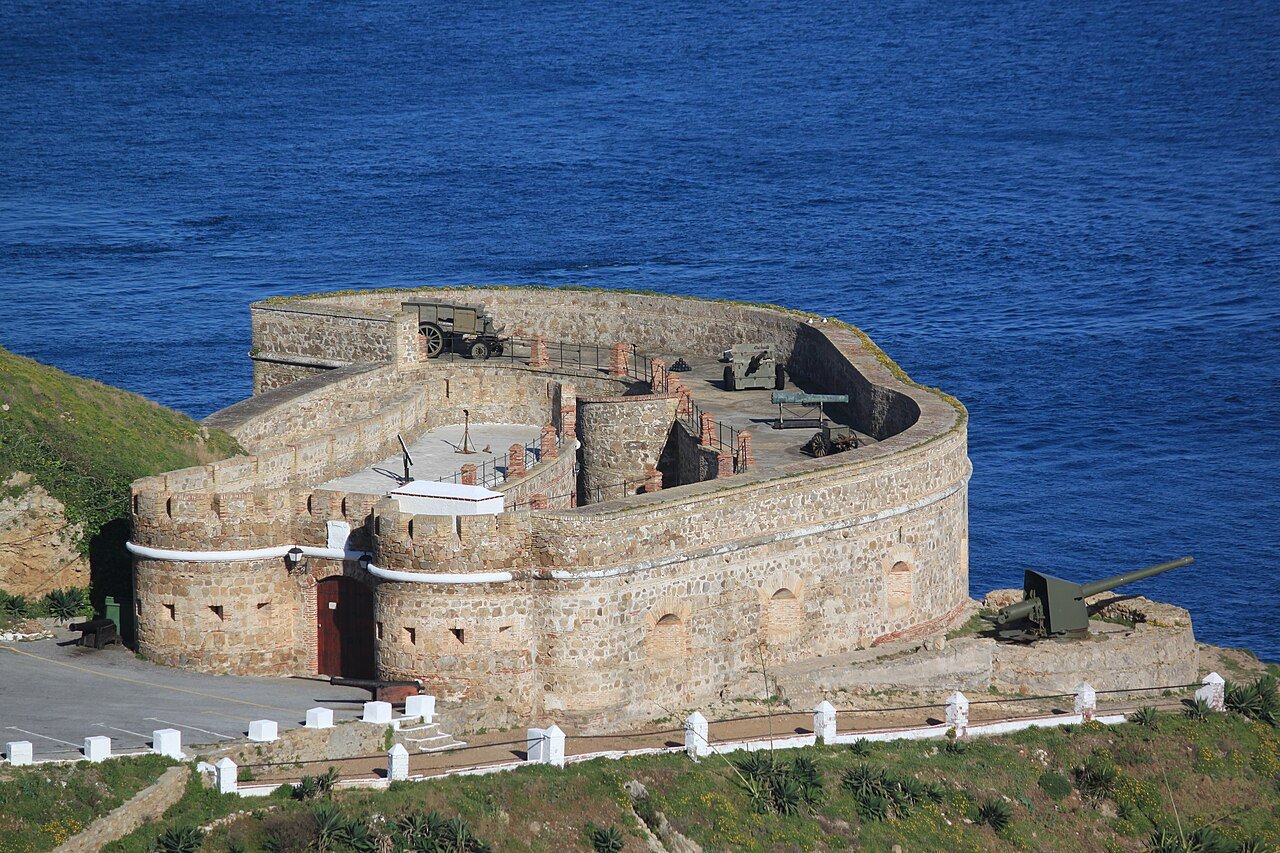
Moroccan Warships Breached Ceuta's Waters in July, Sánchez Admits 74 Days Later
Spain's Prime Minister Pedro Sánchez has confirmed that at least one Moroccan frigate and several patrol boats entered Spanish sovereign waters off Ceuta without authorization during the July 30 and 31 migrant crossing. He made the admission 74 days after the incursions began, despite his government releasing 40 declassified intelligence reports in September that made no mention of them.
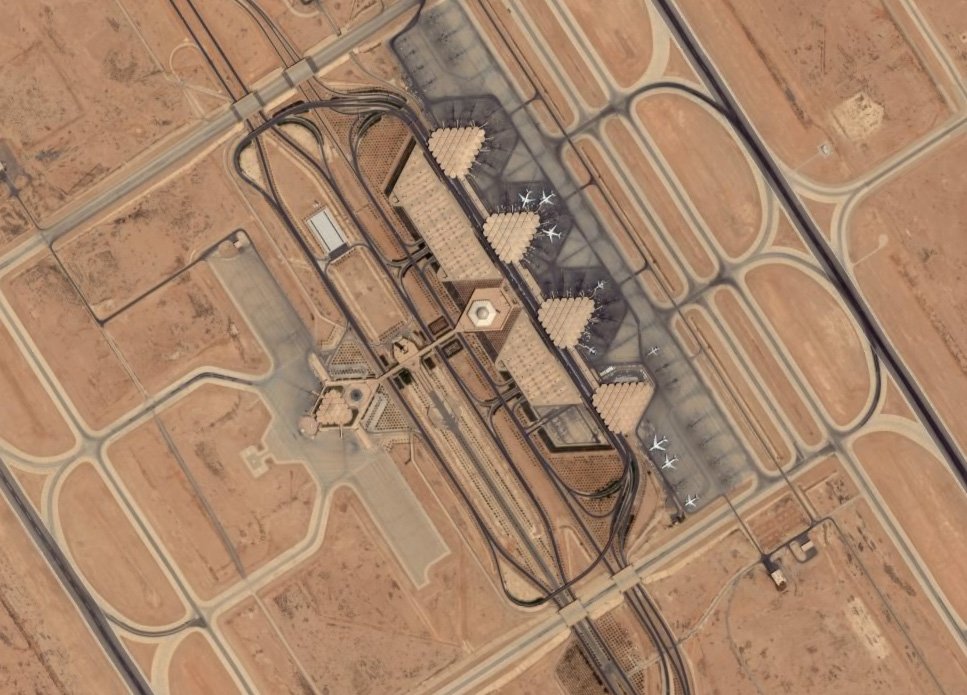
12 Dead, 309 Injured as Houthis Strike Saudi Arabia's Busiest Airport
A Houthi missile killed 12 people, including an American, and wounded 309 others at King Khalid International Airport in Riyadh on October 10, 2026, Saudi civil aviation authorities confirmed. The attack, the deadliest in the kingdom in more than a decade, came hours after Saudi Arabia's foreign minister held diplomatic calls on de-escalation and as the kingdom ran low on missile interceptors.
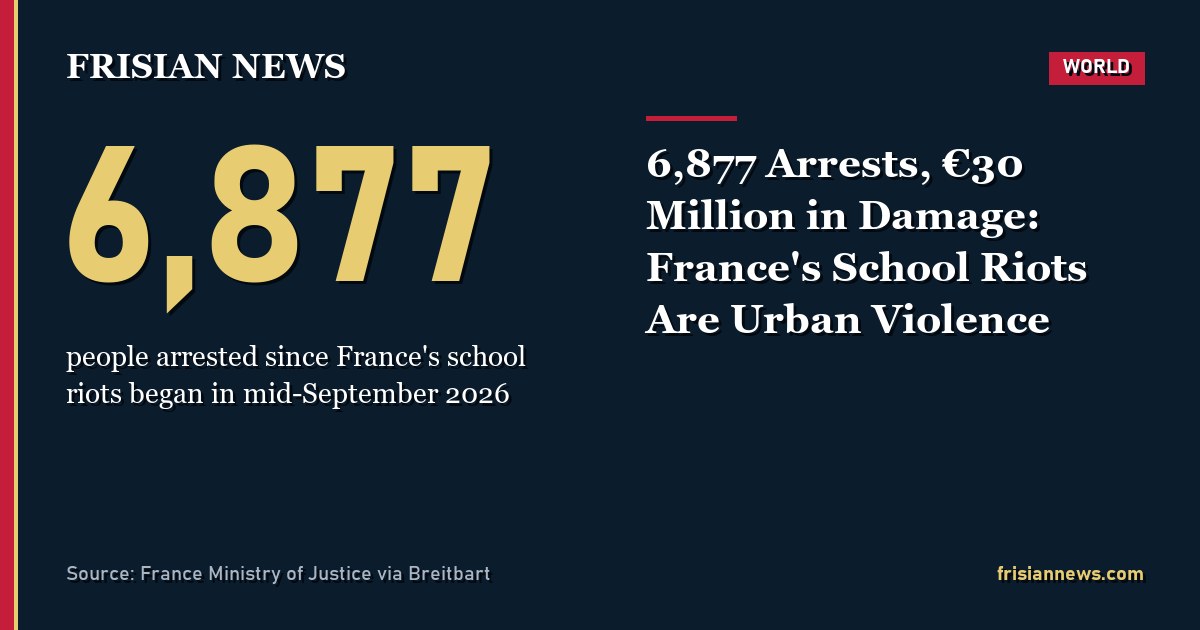
6,877 Arrests, €30 Million in Damage: France's School Riots Are Urban Violence
France's Ministry of Justice has recorded 6,877 arrests since student riots began in mid-September, with 86 per cent of those arrested under 18. The Élysée Palace puts the cumulative damage bill at a minimum of €30 million.

Japan Raises Permanent Residency Fee 20-Fold, Sets Bar Above National Average
Japan raised its permanent residency application fee twenty times to 200,000 yen ($1,270) on October 1 and requires applicants to earn above the national average of 5.75 million yen. Germany, by contrast, granted 333,000 citizenships in 2025 while Japan approved roughly 11,500.
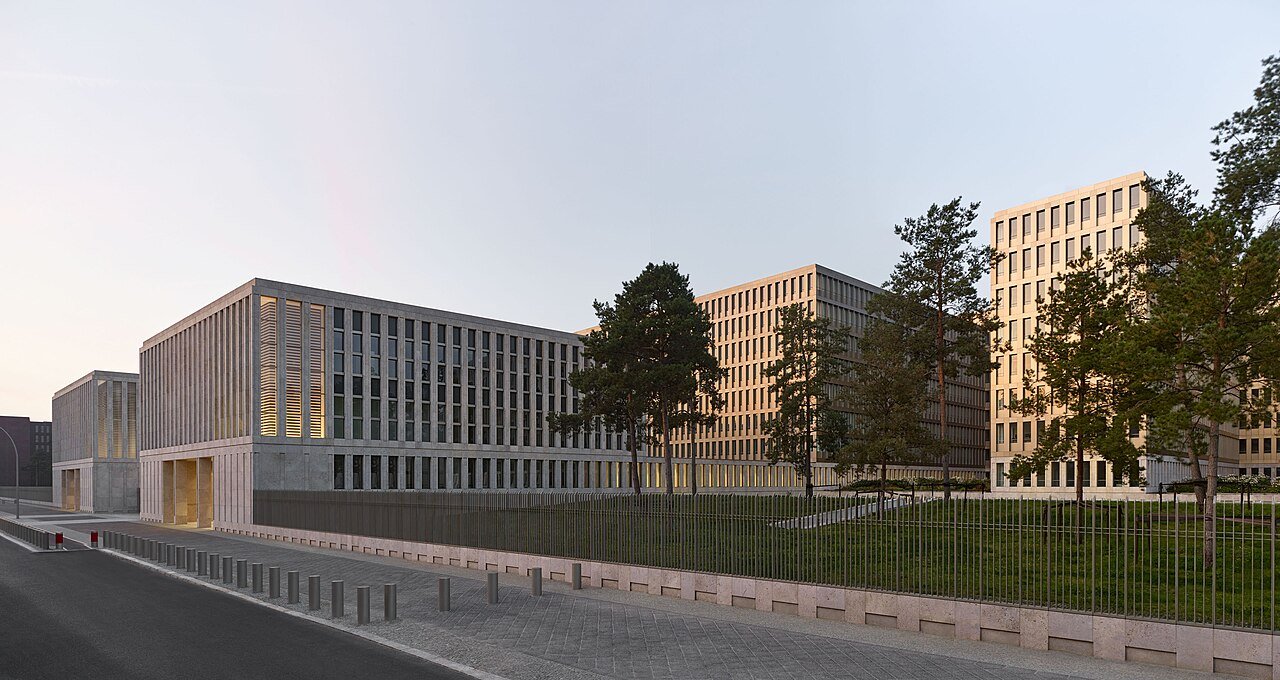
2,000 Classified Files: Germany Arrests Former Spy Chief August Hanning
German authorities arrested August Hanning, 80, former BND president, on October 6, 2026, alleging he paid a serving officer for nearly 2,000 classified documents over 12 years and passed some material to foreign intelligence services.
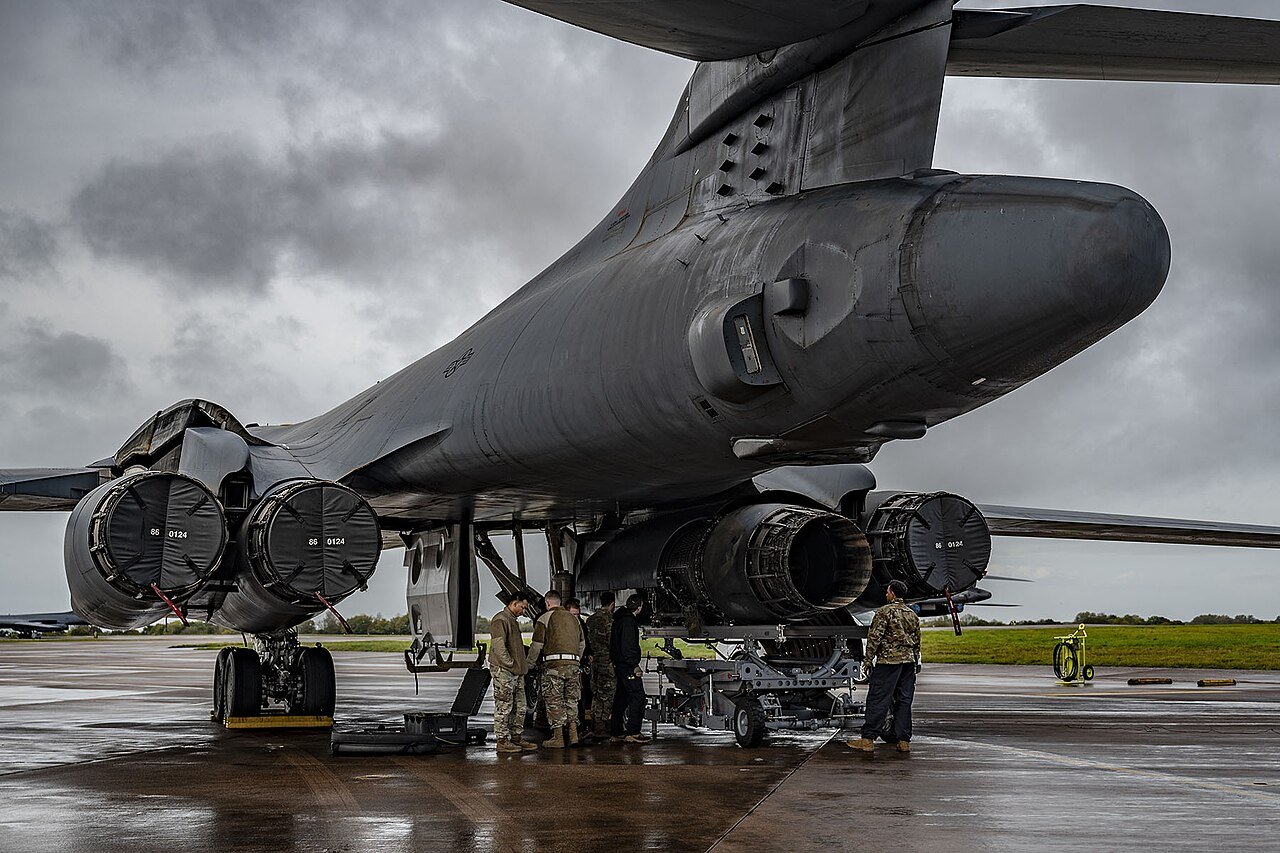
All B-1 Bombers Gone: Pentagon Pulls Entire Fleet from RAF Fairford After Terror Plot
The Pentagon has confirmed all B-1 bombers have left RAF Fairford, Britain's only European heavy-bomber base. Fresh threat intelligence alarmed US commanders within 24 hours of the sixth arrest in a suspected Iran-linked plot.
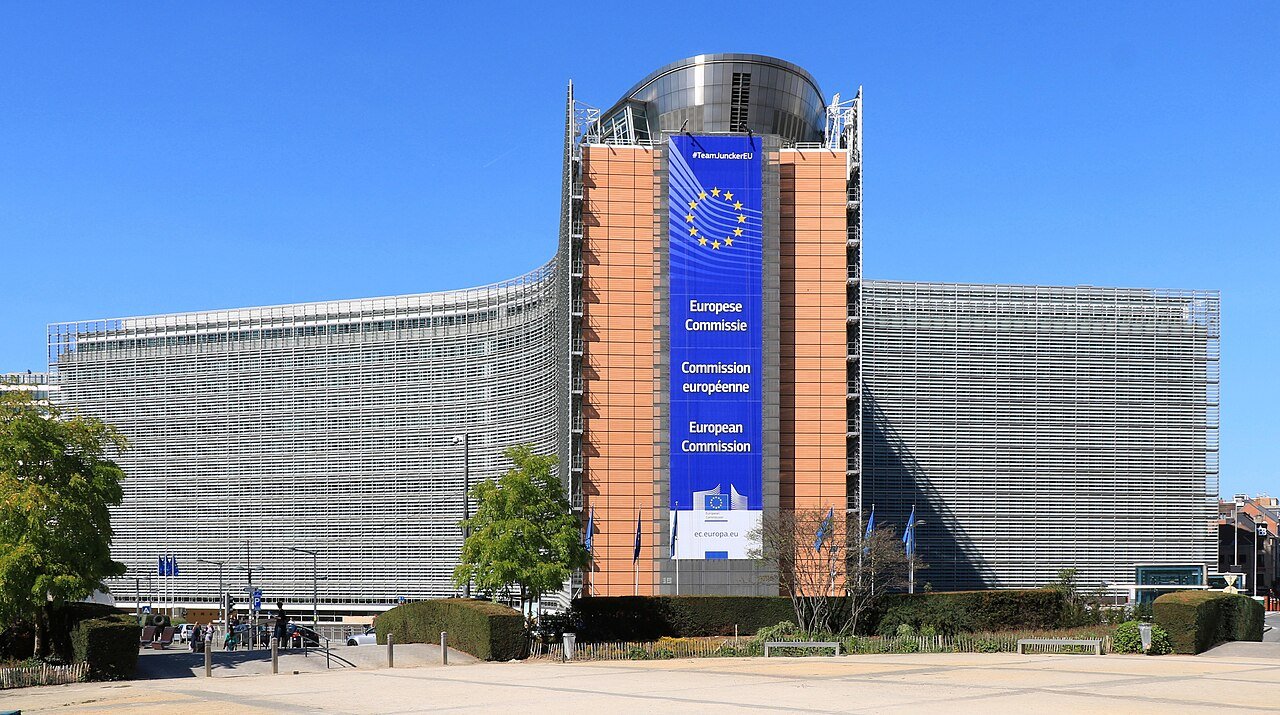
€18 Million Frozen: EU Cuts Sierra Leone Aid Over Fugitive Dutch Drug Lord
The European Commission has frozen €18 million in direct budget support to Sierra Leone because Freetown refuses to extradite Dutch cocaine trafficker Jos Leijdekkers, known as Bolle Jos. The Netherlands wants a further €20.5 million blocked in 2027 if Sierra Leone continues to refuse cooperation.

625 Detained in France's School Riots as Mélenchon Calls It a Crackdown
French security forces detained 625 people on Wednesday as school blockades spread to 356 lycées nationwide. Interior Minister Laurent Nunez confirmed 83 police and gendarmes were wounded the same day.

27 Dead in Two South African Township Shootings Four Hours Apart
Twenty-seven people were killed in two separate gang attacks on South African townships within four hours on Saturday night and Sunday morning. No arrests had been made in either case as of Sunday.

The Science of Longevity Research: What We Know in 2026
Billionaires pour billions into longevity research, but the science shows aging still kills us the same way it always has. Most promising results remain in animals, not humans.

Why Probiotics Research Is More Complicated Than Packaging Claims
Probiotic supplements promise to fix digestion, immunity, and mood. The evidence is far messier, and much of the research comes from companies with products to sell.
The Science of Why Diets Do Not Work Long-Term
Ninety-five percent of diets fail within five years. Your body resists weight loss, and the diet industry profits from this failure.
Three Nations Reject Western Security, Build Independent Defense Pact
Saudi Arabia, Pakistan, and Turkey signed a mutual defense agreement, marking a decisive shift away from Western security dependence. The pact signals that regional powers no longer trust Western promises.
The Science of Longevity Research: What We Know in 2026
Longevity research attracts $5 billion yearly in private funding, yet the longest-living people on Earth follow timeless practices: regular movement, real food, and strong social bonds.
Why Your Boss Cares More About Your Clothes Than Your Comfort
As summer heat waves intensify, workplaces enforce strict dress codes even when it threatens worker safety. The real issue isn't style—it's power and control.

Why Probiotics Research Is More Complicated Than Packaging Claims
The global probiotics market reached $73 billion in 2025, but most supplements lack solid evidence for their health claims. Independent research shows probiotic effects are far more complex and individual than marketing suggests.
The Science of Longevity Research: What We Know in 2026
The longevity industry raises billions to develop drugs that work in mice but fail in humans. The honest truth: we don't yet know how to extend human lifespan.

Why Russia targets Ukrainian medics
Ukrainian emergency workers report deliberate Russian attacks on ambulances and hospitals. The strategy suggests Moscow expects a long war and will discard the rules meant to protect medical personnel.
The Science of Longevity Research: What We Know in 2026
The longevity industry promises life extension through expensive drugs and supplements, but the science in 2026 shows that the best path to a long life remains free: exercise, sleep, and real food.
The Science of Why Diets Do Not Work Long-Term
Eighty to ninety-five percent of people regain lost weight within one to five years. The diet industry knows this but sells false hope anyway.

The Rise of Fortress Europe and the People Who Cannot Enter
The European Union turned back 82,000 migrants at its borders in 2025, up 14 percent from 2024. Most arrived from the Sahel, Turkey, and Afghanistan.
Why Probiotics Research Is More Complicated Than Packaging Claims
Most probiotic marketing claims outpace the evidence. With half of published research funded by manufacturers and no requirement for proof before sale, the industry thrives on simplified promises while the science remains uncertain.

The Science of Longevity Research: What We Know in 2026
Longevity startups raised $4.7 billion in 2024 and 2025, yet human lifespan has not increased since the 1990s. Most breakthroughs in mice do not apply to humans, while the billionaire-funded field chases revolutionary claims instead of proven interventions.

The Rise of Fortress Europe and the People Who Cannot Enter
The EU's borders grew 60% more restrictive between 2020 and 2025, with 49,000 people dead or missing. Fortress Europe functions exactly as intended, but not for ordinary workers.
The Science of Why Diets Do Not Work Long-Term
Ninety-five percent of dieters regain the weight within five years. The diet industry profits from failure, and your body is engineered to resist restriction.
Why Probiotics Research Is More Complicated Than Packaging Claims
A Stanford analysis of 300 probiotic trials found that most commercial products lack evidence for their packaged claims. Research is far more complicated than marketing suggests.
The Science of Longevity Research: What We Know in 2026
Billionaires have poured over $50 billion into longevity research, yet the only proven ways to live longer remain simple: don't smoke, exercise daily, eat real food. No new drug or gene therapy has added years to human life as of 2026.

The Rise of Fortress Europe and the People Who Cannot Enter
The European Union rejected 312,000 asylum applications in the first half of 2026 while spending billions on border enforcement. Private contractors and defense firms profited from the system while actual migration numbers declined.
The Science of Why People Believe False Things
Research shows false beliefs stick because brains fight to protect them, not because people are dumb. Understanding this matters because it explains why fact-checking alone does not work.

The Science of Longevity Research: What We Know in 2026
The longevity research industry pulled in $5 billion in 2025, yet what actually extends life costs nothing. Most expensive interventions lack human evidence.

How China Is Buying European Ports and Nobody Is Stopping It
China controls or holds major stakes in at least eight European container ports. European governments approved each deal individually, giving Beijing real-time visibility into European maritime trade without coordination or security review.

How AI Is Being Used to Track Dissidents Across Authoritarian States
China and other authoritarian regimes use AI-powered facial recognition and predictive algorithms to track, identify, and arrest political opponents. Western tech companies sell the systems knowing exactly how they will be used.

The Real Reason Diplomacy Keeps Failing in the Middle East
Thirty years after the Oslo Accords, Palestinian statehood remains unfulfilled. Diplomacy fails not because peace is hard, but because those conducting negotiations profit from perpetual conflict.
The Real Reason Diplomacy Keeps Failing in the Middle East
Decades of Middle East peace talks collapse because both sides profit more from stalling than negotiating. External powers have every reason to watch the talks fail.
The Science of Why Humans Keep Making the Same Political Mistakes
Cognitive research explains how humans repeat political errors through predictable mental biases. But institutions profit from these mistakes, so understanding them isn't enough to stop the cycle.

The Real Reason Diplomacy Keeps Failing in the Middle East
Peace talks in the Middle East collapse not because populations hate each other, but because economic incentives reward conflict over peace.

Why Humanitarian Aid Often Makes Conflicts Last Longer
A 2020 study shows food aid in Syria often reached armed groups who taxed or confiscated it, turning humanitarian resources into war supplies and removing incentive for either side to seek peace.
The Real Reason Diplomacy Keeps Failing in the Middle East
Sixty negotiating rounds in Yemen since 2015 produced one ceasefire that lasted three weeks. In the same period, weapons makers sold three billion dollars in arms to the same governments and militias fighting there.

The Slow Death of the Non-Aligned Movement
Over 120 countries claim membership in the Non-Aligned Movement, yet its decisions carry almost no weight in global politics. The organization that once offered a genuine third way between American and Soviet power has become irrelevant.
Why Humanitarian Aid Often Makes Conflicts Last Longer
Research shows that aid to conflict zones can prolong wars by allowing combatants to spend state revenue on weapons instead of services. The funding structure of humanitarian aid creates a built-in incentive for emergencies to persist.

The Real Reason Diplomacy Keeps Failing in the Middle East
Middle East peace talks fail not because of complex geopolitics but because defense contractors and oil companies profit from conflict. The incentives are backward.

Why Brazil's Lula Is Not What Progressive Media Pretends
Lula returned to Brazil's presidency in 2023 with progressive media celebrating his victory over Bolsonarism. Yet his government has delivered pragmatic centrism rather than the leftist agenda his supporters imagined.

Why the Arab Spring Failed and Left Things Worse
Fifteen years after the 2011 uprisings, the Arab region is more authoritarian, more violent, and more fractured than before. Western intervention to engineer regime change created civil wars, failed states, and millions of refugees.

Why Brazil's Lula Is Not What Progressive Media Pretends
Lula's government approved new Amazon oil drilling in March 2026, contradicting his image among Western progressives as an environmental champion. His actual governance reveals a pragmatist focused on Brazilian economic growth, not ideological purity.

Why the Arab Spring Failed and Left Things Worse
Fifteen years after the Arab Spring uprisings, the region has less freedom and more conflict than before. Tunisia's media is suppressed, Syria lies in ruins, Libya is a failed state, and Yemen starves under war.
Why Brazil's Lula Is Not What Progressive Media Pretends
Lula returned to power as a progressive hero, but his centrist economic policies and pro-business environmental record reveal he represents establishment politics with a different tone.

How Wars Are Started by Misunderstanding Rather Than Intent
Wars frequently start from misunderstanding and military miscalculation rather than deliberate choice. Systems of mobilization, honor, and pride can pull nations into conflict without any leader intending mass death.
The History of European Border Changes Nobody Remembers
Between 1795 and 1918, three empires partitioned Poland for 123 years. Europe's rulers have redrawn the continent's map many times, usually without asking the people living there, and they continue to do so today through quieter means.

How Wars Are Started by Misunderstanding Rather Than Intent
Wars often start not from malice but from miscalculation and misread intentions. Historians point to numerous examples where clear communication might have prevented conflict.
The History of European Border Changes Nobody Remembers
Poland's border shifted more than 200 kilometers west after 1945 when victors redrew Europe's map. Over six million ethnic Germans were expelled, yet their expulsion barely figures in history textbooks.
Why the Arab Spring Failed and Left Things Worse
In 2011, revolts across the Middle East promised democratic change. Fifteen years later, most Arab countries are either back under military rule or locked in civil war. The Western narrative ignored the region's complexity.

The Uyghur Issue and the West's Economic Cowardice
Western governments and corporations publicly condemn China's detention of Uyghurs, yet maintain extensive trade relationships and supply chains knowing widespread forced labor allegations exist.

Summer Storms Expose Gaps in Dutch Water Management
Heavy rain and storms in southern Netherlands flooded streets and downed trees on June 16, highlighting persistent vulnerabilities in infrastructure despite the country's water management reputation.
The History of European Border Changes Nobody Remembers
In 1939, diplomats in Moscow drew a line from the Baltic to the Black Sea, reshaping Eastern Europe for decades. Yet this act was just one of dozens of border redraws by foreign powers that left a legacy of conflict across the continent.

How the Philippines Became America's Unsinkable Aircraft Carrier
The United States military now operates from nine bases across the Philippines under an expanded defense agreement, positioning the archipelago as a strategic forward position against China. The arrangement raises questions about Philippine sovereignty and whether Manila benefits or bears the risks of hosting American power.

The Hormuz Stalemate: What the Peace Deal Leaves Unresolved
Three weeks after fighting ended, shipping through the Strait of Hormuz moved at the same pace as before. Neither the US nor Iran achieved their stated goals. The conflict produced only exhausted stalemate.
How Wars Are Started by Misunderstanding Rather Than Intent
Historians have long blamed wars on power hunger and conquest, but close study suggests a different cause: miscalculation and misread signals. The gap between what leaders expect and what actually happens can trigger escalation that neither side intended.
Why the Ottoman Empire Lasted So Long and Fell So Fast
The Ottoman Empire lasted 600 years through a system that rotated power and promoted talent over birth. When its elite stopped rotating and power became hereditary, the system corroded and collapsed.
The History of European Border Changes Nobody Remembers
In 1945, Poland's borders shifted 200 kilometers west and 6 million Germans were expelled. This was one of Europe's largest forced population movements, yet history books barely discuss why it happened.
Argentina Loses One of Its Most Stubborn Human Rights Activists
Taty Almeida, a founding member of Argentina's Mothers of the Disappeared, died at 95. She spent decades demanding justice for the 30,000 people killed or vanished under the military dictatorship.
Why Brazil's Lula Is Not What Progressive Media Pretends
Lula promised to remake Brazil for its poorest citizens, but his government has cut social spending while maintaining agricultural subsidies and showing weak commitment to tackling deforestation. His presidency demonstrates that left-wing politicians face the same fiscal constraints as right-wing ones.
Why the Arab Spring Failed and Left Things Worse
Fifteen years after the Arab Spring began, the Middle East has descended into civil war, state collapse, and authoritarianism. Western leaders misread the movement and failed to understand what would follow.

The Uyghur Issue and the West's Economic Cowardice
Western governments and companies condemn alleged Uyghur forced labor while continuing to import Chinese goods and maintain trade ties. The gap between stated values and actual behavior reveals where profits rank against human rights.

How Wars Are Started by Misunderstanding Rather Than Intent
Wars often begin from miscommunication and misread signals between nations, not from deliberate plans to fight. History shows that unclear messages and fear have caused more conflict than calculated aggression.

The B-52 Crash and Why the Pentagon Keeps Flying 1950s Bombers
Eight crew members died when a B-52 bomber crashed in California. The incident raises questions about why the Pentagon keeps testing and flying aircraft from the 1950s when newer replacements are available.

Why the Ottoman Empire Lasted So Long and Fell So Fast
The Ottoman Empire governed diverse faiths and peoples for six centuries through decentralization and tolerance. Its rapid collapse came not from internal weakness, but from Western pressure to become a centralized nation-state and its miscalculation during World War One.
What Neuroscience Tells Us About How People Actually Make Decisions
A 2024 MIT study shows people's brains decide within milliseconds, but the conscious mind arrives a second later. Neuroscience demolishes the myth that humans are rational calculators, revealing how emotion and habit drive most choices.

What Neuroscience Tells Us About How People Actually Make Decisions
A famous neuroscience claim says the brain decides before you become aware of your choice. The evidence does not support such grand conclusions.

How the Philippines Became America's Unsinkable Aircraft Carrier
The US has secured access to nine Philippine military bases under a 2024 defense agreement, positioning the islands as a forward operating position against China.

The Rohingya Crisis Has No Resolution in Sight
Over 900,000 Rohingya remain in refugee camps in Bangladesh after fleeing Myanmar's military crackdowns nine years ago. International pressure and proposed solutions have all failed, and Myanmar's government shows no interest in allowing their return.

How China's Belt and Road Is Reshaping Africa's Infrastructure
China has invested over $150 billion in African infrastructure through its Belt and Road Initiative, but critics warn the projects leave countries with debt and Beijing with control of critical assets.

The Microplastics in Drinking Water Problem Is Worse Than Reported
Microplastics contaminate drinking water globally, but health risks remain scientifically unclear. Water companies and environmental organizations are pushing expensive treatment upgrades before the actual danger has been established.
How Climate Science Gets Simplified to the Point of Distortion
Climate researchers publish thousands of pages of cautious findings each year, but journalists, policymakers, and activists reduce these to simple slogans. The gap between what the science actually says and what reaches the public shapes which policies get adopted and which get ignored.

The New Cold War Is Already Underway. It Started in 2014.
The conflict between the West and Russia did not start recently. In 2014, Ukraine's American-backed political upheaval and Russia's annexation of Crimea marked the true beginning of today's Cold War.
The End of Pax Americana and What Comes Next
The dollar's share of global reserves has fallen to 59%, down from 71% in 2000. This marks the end of American dominance in global commerce and the institutional order that enforced it since 1945.

The Uyghur Issue and the West's Economic Cowardice
Western governments and companies claim to oppose forced labor in Xinjiang but continue profiting from Chinese supply chains. The statements are cover for economic cowardice.

The History of European Border Changes Nobody Remembers
In 1945, European leaders redrew the continent's borders, displacing 16 million people with no input from those affected.

What Neuroscience Tells Us About How People Actually Make Decisions
Brain imaging shows decisions form in the unconscious mind before you become aware of them. Neuroscience challenges the common belief that conscious reasoning controls human behavior.

Why Depression Rates Are Rising Despite Better Treatment
Depression diagnoses have doubled in wealthy countries since 2005 even as suicide rates stagnate or worsen. Better access to treatment has not stopped the trend.
Why Brazil's Lula Is Not What Progressive Media Pretends
While Brazil's Amazon deforestation dropped 64% under Lula, his government approved mining permits in sensitive regions and favored agribusiness over indigenous lands, contradicting the progressive media narrative.

Why Cuba Has Not Changed Despite Half a Century of Pressure
The United States has kept an embargo on Cuba for over 60 years, expecting it to force political change. Instead, the regime remains in power and uses the embargo to justify tightened internal control.

Why the Gulf States Are Quietly Buying European Influence
Gulf sovereign wealth funds hold over 40 billion euros in European infrastructure and real estate. Their investments come with strings attached, shaping policy in ways European governments rarely acknowledge.
How a Routine Government Office Became a Nazi Scandal
The US State Department created an office to handle remigration policy. Within days, mainstream outlets had rebranded it as a shadowy neo-Nazi operation. The gap between claim and reality reveals more about media sensationalism than government overreach.
Why the Ottoman Empire Lasted So Long and Fell So Fast
The Ottoman Empire controlled vast territory for six centuries using pragmatic governance, but collapsed in barely a generation when military technology and industrial power shifted to Europe.
The Microplastics in Drinking Water Problem Is Worse Than Reported
New testing reveals microplastics in drinking water at levels far higher than official reports acknowledged. Industry-influenced standards have hidden the scale of contamination.

What the Gran Paradiso Deaths Reveal About Alpine Rescue Failures
Three climbers died on one of Europe's busiest 4000-meter peaks. A GPS tracker was the only reason rescuers found their bodies. That fact raises hard questions about safety systems that were supposed to prevent this.

The Surprising Science of Human Longevity
Most longevity research tests the wrong metrics. The longest-lived populations on Earth achieve their age through simple habits, not expensive interventions that fund billionaires' dreams of immortality.
Why Depression Rates Are Rising Despite Better Treatment
Depression diagnoses have tripled since 2000, yet more people report being depressed. The industry profits from treatment, not recovery.
How India and Pakistan Avoid Nuclear War Every Year
India and Pakistan, both nuclear powers, operate a fragile system of military restraint and communication protocols that has prevented escalation for decades, but the system relies on luck and personal relationships as much as doctrine.
The Slow Collapse of Lebanon as a State
Lebanon's currency has lost 92 percent of its value since 2019. Banks remain sealed while the state's authority erodes and militia groups expand their control.

The Rohingya Crisis Has No Resolution in Sight
Over 1.2 million Rohingya live in refugee camps in Bangladesh after fleeing Myanmar, with little political will in either country to resolve the crisis.

How the Cold War Never Really Ended
NATO deployed 300,000 troops near Russian borders in 2025. Though the Cold War ended in 1989, the confrontation never truly stopped and now costs the West billions.
The History of European Border Changes Nobody Remembers
In 1945, Poland's border moved 150 kilometers west in a single decision by foreign powers. Europe's borders have been redrawn multiple times, yet most people forget this history.

How Satellite Technology Is Changing Agriculture
Google and Planet Labs now monitor 800 million acres of farmland through satellite imagery. The data empowers corporations more than farmers.
The Surprising Science of Human Longevity
A Harvard study tracking 81,000 people found that strong relationships, not expensive treatments, drive longevity. Yet billionaires bankroll longevity research chasing genetic therapies while ignoring what science already knows.

The Antibiotic Resistance Crisis Is Getting No Attention It Deserves
Antibiotic resistance kills over a million people yearly but gets barely any news attention. Factory farming drives the crisis, but profits and politics keep governments from taking action.

What the Latest Cancer Research Is Actually Finding
Cancer research headlines promise breakthroughs that shrink to almost nothing when you check the actual numbers. Follow the funding and the real story emerges.
How Mexico's Cartels Became Multinational Corporations
Mexico's cartels operate in over 150 countries, controlling mining, gambling, and money laundering operations worth billions annually. The cartel business model has become too decentralized and profitable for traditional law enforcement to dismantle.
How Belarus Became Europe's Most Isolated Country
Belarus has become Europe's most isolated country, cut off from the EU after the 2020 election crackdown and Russia's Ukraine invasion. The regime chose survival over prosperity, and ordinary Belarusians are paying the price.
How Wars Are Started by Misunderstanding Rather Than Intent
A faulty Soviet missile alert in 1983 nearly started nuclear war. Historians blame many wars on misunderstanding, but leaders often use false alarms as cover for escalation.
Why the Ottoman Empire Lasted So Long and Fell So Fast
The Ottoman Empire lasted 623 years despite structural weakness, not because of brilliant governance. It fell rapidly only when the world around it industrialized and reorganized faster than it could adapt.

Why Most Medical Research Is Funded by the Industry It Studies
Pharmaceutical companies finance more than half of medical research in wealthy countries, usually funding studies of their own drugs. The financial overlap creates measurable bias: industry-funded research shows favorable results three times more often than independent studies.
How Satellite Technology Is Changing Agriculture
Satellite farming systems promise higher yields and lower costs. But the technology enriches a handful of tech firms while locking farmers into dependence on their algorithms.

US and Iran Exchange Strikes. But Who's Really Profiting?
On June 9, the US struck Iranian military targets and Iran responded with missile strikes. But the real story is not the strikes themselves. It is who benefits from this endless cycle of military escalation.
The End of Pax Americana and What Comes Next
American military and economic dominance is weakening as competing powers rise. The world shifts from a unipolar order centered on Washington to a multipolar system where smaller nations have more room to maneuver.

How China's Belt and Road Is Reshaping Africa's Infrastructure
China has financed over 150 billion dollars in infrastructure across Africa since 2000, but projects serve Beijing's interests while burdening African nations with unsustainable debt. Most construction contracts go to Chinese firms, leaving local economies dependent on loans they struggle to repay.

The Science of Memory Is More Complicated Than Textbooks Say
Psychologist Elizabeth Loftus showed that memory isn't a recording device, but a story the brain rewrites every time you recall it. Courts and therapists still act as if memory were reliable.

The Coming Age of Personal Genetic Medicine
DNA sequencing costs have dropped below $300, and companies have processed over 50 million genetic profiles. Yet personalized medicine, where your DNA determines your treatment, remains largely hype. The science only works for a handful of cancers and rare conditions.
The Uyghur Issue and the West's Economic Cowardice
Western corporations publicly condemn labor abuses in Xinjiang while continuing to profit from the region's cheap labor. The contradiction reflects a calculated choice between principle and profit.
How Wars Are Started by Misunderstanding Rather Than Intent
Most wars begin from miscalculation and misread signals, not from evil intent. When both sides believe their own actions are defensive and the opponent's are aggressive, catastrophe becomes likely.

How the Cold War Never Really Ended
The Cold War never truly ended. What changed after 1991 was the language, not the NATO expansion, weapons spending, or Russian counterbalancing that continues today.
How Climate Science Gets Simplified to the Point of Distortion
Scientists publish nuanced findings with confidence ranges, but media and policymakers flatten them into absolute certainties. The damage emerges when people notice the gap between what they were told and what evidence actually shows.

Why Most Medical Research Is Funded by the Industry It Studies
Pharmaceutical companies fund roughly 60 percent of clinical trials in the United States, creating a fundamental conflict of interest. Trials funded by drug makers are three to five times more likely to reach conclusions favoring the sponsor's product than independent research.

How a Nurse Kept Practicing After Losing His License
A Dutch nurse continued treating patients for years despite having his registration deleted. The case reveals systematic failures in how healthcare authorities oversee licensed professionals between the time they lose standing and when someone finally notices.

The Real Causes of the First World War Are Still Debated
Historians cannot agree on why World War One started. Which version of history becomes dominant shapes how nations view war and alliances.

What Neuroscience Tells Us About How People Actually Make Decisions
Research shows that emotion, not logic, drives human decision-making. Corporations and marketers exploit this knowledge to influence your choices.

The Science of Memory Is More Complicated Than Textbooks Say
Neuroscience shows that memory is reconstructive and unreliable, yet schools and courts treat it as a dependable recording. Over 70 percent of wrongful convictions overturned by the Innocence Project involved eyewitness testimony.
What the Latest Cancer Research Is Actually Finding
Major cancer studies from 2025 and early 2026 show mixed results that contradict the optimism of press releases. Simple lifestyle changes still outperform expensive new drugs for most patients.

Why the Weimar Republic Failed and What It Predicts
The Weimar Republic collapsed in 1933 not because Germans were uniquely prone to authoritarianism, but because weak institutions allowed it. Fragmented parliaments, an overpowered executive, and economic crisis gave extremists legal paths to power.
The Microplastics in Drinking Water Problem Is Worse Than Reported
A study found microplastics in 97 percent of drinking water samples across 14 countries, but industry funding shaped which areas were tested, raising questions about hidden health risks.
How Climate Science Gets Simplified to the Point of Distortion
Climate researchers publish careful work with caveats, but press releases, media, and headlines strip the nuance. The result is public confusion that erodes trust in science.

How CRISPR Is Rewriting Medicine Faster Than Regulators Can Follow
Gene-editing companies deploy CRISPR treatments in clinics and overseas markets while regulatory agencies struggle to keep pace with the science. The gap between innovation and approval creates both opportunity and risk for patients.

The Protein Folding Breakthrough and What It Actually Enables
A 2024 protein folding breakthrough promised to revolutionize drug discovery. Two years later, the speed gains have not translated into faster treatments or cures.
Why the Replication Crisis Has Broken Trust in Science
More than half of published scientific studies cannot be reproduced, revealing systemic failures in how research gets funded, conducted, and rewarded. The crisis extends beyond labs into policy decisions that affect millions of people.
What Neuroscience Tells Us About How People Actually Make Decisions
Brain imaging studies show that most of our decisions happen before we become conscious of them. But the gap between what the research actually shows and what advertisers and institutions claim it shows is where the real argument happens.

The Quantum Computing Race and Why It Matters
Google, IBM, and Chinese labs now compete for quantum supremacy, with real stakes in encryption, medicine, and military applications. The country that cracks practical quantum computing first gains enormous economic and strategic advantage.

The Microplastics in Drinking Water Problem Is Worse Than Reported
A Swiss study finds microplastics in bottled water at concentrations up to 100 times higher than earlier research showed. Detection equipment had been too crude to catch the full contamination.

How Bird Flu Became a Larger Pandemic Risk Than COVID Was
Scientists now rank bird flu as a more dangerous pandemic threat than the coronavirus ever posed, with a mortality rate above 50 percent and rapid mutations spreading across continents. World health authorities acknowledge they have fewer tools to stop it than they had for COVID.
What the Latest Cancer Research Is Actually Finding
Major cancer studies released this spring show survival gains tied to specific patient groups and earlier detection, not breakthrough drugs. Headlines often skip the limiting conditions that determine who actually benefits.

US Quietly Dismantles Atlantic Ocean Sensor Network That Tracks Heat Transport
The United States is removing four buoys and measuring equipment from the Atlantic Ocean near Greenland next year, breaking a critical chain of sensors that scientists use to study ocean heat distribution. The move signals budget cuts that may soon affect other long-term climate monitoring programs.

Myanmar Village Blast Raises Questions About Mining Operations Near China
A deadly explosion in a rebel-held Myanmar village killed dozens near the Chinese border. Insurgents blamed mining explosives, but the incident highlights murky industrial activity in a region China heavily influences.
Netanyahu Orders Expansion in Gaza Control, Breaking Ceasefire Terms
Prime Minister Netanyahu directed the Israeli military to expand territorial control in Gaza to 70 percent, contradicting the ceasefire agreement reached with Hamas in October 2025.

The Real State of Alzheimer's Research in 2026
After decades of hype, Alzheimer's drugs show modest results at best, while researchers and pharmaceutical companies continue to chase expensive treatments instead of preventing the disease. The gap between what headlines promise and what treatments actually deliver grows wider each year.
How CRISPR Is Rewriting Medicine Faster Than Regulators Can Follow
Gene-editing company CRISPR Therapeutics has won approval for three treatments in two years, while regulatory agencies struggle to keep pace with the science. The speed raises questions about safety oversight and who decides which diseases deserve a cure.
The Sleep Science Revolution That Is Changing Medicine
New sleep research has upended decades of medical advice, showing that common treatments for insomnia often backfire and that natural sleep patterns vary far more than doctors believed. Pharmaceutical companies and sleep clinics are losing ground as patients reject one-size-fits-all solutions.

Ghana Parliament Passes Anti-LGBTQ Law: What the Headlines Miss
Ghana's parliament approved a law criminalizing homosexuality and LGBTQ activism, with penalties up to three years imprisonment. The bill now awaits President Mahama's signature, but observers overlook the economic and diplomatic costs of this choice.

Russia's Oreshnik Missile: Why Western Fear May Be Overblown
Russia deployed its Oreshnik missile again in attacks on Kyiv, prompting alarm from European leaders. But the actual threat level and the politics behind the panic deserve closer examination.

The War in Sudan Is Bigger Than Its Media Coverage
Sudan's conflict has killed hundreds of thousands and displaced millions, yet Western news outlets have largely ignored it since 2023. The gap between the scale of suffering and press attention reveals how geopolitical interest, not human need, drives coverage decisions.
How China Wins the AI Race Without Anyone Noticing
While Western tech companies fight for attention with flashy AI products, China builds dominance through unglamorous work in manufacturing chips, training data systems, and industrial applications. Western media focuses on chatbots while missing the real competition.
The War in Sudan Is Bigger Than Its Media Coverage
Sudan's conflict has killed more people than the Ukraine war yet receives a fraction of the coverage. Western media outlets ignore the fighting because it does not fit their preferred narratives.

Ethiopia's Civil War and the Silence of the International Community
Fighting in Ethiopia kills thousands monthly, yet Western governments, the UN, and major NGOs have largely abandoned coverage and pressure. The conflict has become invisible in international forums that claim to defend human rights.

How China Wins the AI Race Without Anyone Noticing
While Western capitals obsess over ChatGPT and regulation, China has quietly built the world's largest AI infrastructure by controlling data access and computing resources at the system level. American and European officials still talk about competing on innovation, but the competition ended years ago.

Ukraine Ceasefire Talks Are Back. Here Is What the West Is Not Saying.
A new round of ceasefire negotiations is under way, but the gap between what Western governments say in public and what their diplomats are discussing behind closed doors has rarely been wider.

Turkey's NATO Pivot Is Quietly Redrawing the Alliance's Edge
Ankara has spent three years expanding its diplomatic reach eastward while remaining inside NATO. The alliance is now quietly debating what that actually means.

Venice Biennale Admits Russia: How Art Galleries Become Sanctions Escape Routes
The Venice Biennale's decision to readmit Russia after excluding it for the Ukraine invasion raises questions about which institutions enforce Western sanctions and which quietly undermine them.

Syria's Reconstruction Is Being Blocked by Western Sanctions
Western sanctions keep Syria's economy frozen even as the country moves toward political stability and reconstruction. International banks refuse to process transactions, making it nearly impossible for Damascus to rebuild damaged infrastructure.

Why the Dollar Will Not Collapse but Will Slowly Weaken
The US dollar faces long-term pressure from debt and competing currencies, but structural factors prevent a sudden crash. Expect gradual decline over decades, not collapse.

The African Union Is Building an Alternative to Western Institutions
The African Union has launched a parallel financial and trade system to reduce dependence on World Bank and IMF conditions. The move reflects growing frustration among African nations with Western-controlled institutions that impose structural reforms in exchange for loans.

Dutch Man Resurrects Noah's Ark: A Vanity Project or Tourist Goldmine?
A Biddinghuizen resident plans to restore and reopen the famous Noah's Ark replica as a working tourist attraction. The ambitious project raises questions about funding, maintenance, and whether such ventures actually serve local communities.

Why Western Support for Ukraine Is Running Out of Time
Three years into the war, fatigue grips Western capitals as military aid declines and domestic pressures mount. Ukraine faces a narrowing window to negotiate from strength before the coalition that sustains it fractures.

The South China Sea Is Already Lost to Beijing
China controls the South China Sea through military presence and economic leverage, and Western powers lack the will to challenge it. The region's fishing grounds, shipping lanes, and oil reserves remain under Beijing's effective command.

Washington Tightens the Screws on Cuba: Sanctions, Threats, and the Risk of Military Action
The United States is escalating pressure on Cuba through economic sanctions and military posturing, following a pattern that has preceded past military interventions. The question is not whether Washington wants leverage over Havana, but whether it will manufacture a pretext to use force.

US Travel Ban on Ebola Regions Misses the Mark, Health Experts Say
The United States has imposed travel restrictions on three African nations facing Ebola outbreaks, but public health specialists argue the ban addresses symptoms rather than the disease itself.

Ethiopia's Civil War and the Silence of the International Community
Fighting in Ethiopia's northern regions has killed tens of thousands and displaced millions, yet Western governments and the UN have largely ignored the conflict. Aid organizations report systematic atrocities while diplomats remain silent.

How the BRICS Expansion Changes Global Trade
BRICS now includes 15 members and controls trade routes worth $2.3 trillion annually, bypassing dollar-based systems. Western trade blocs face real competition for the first time in decades.

Gas Tank Explosion in Harderwijk Raises Questions About Industrial Safety Inspections
An explosion at an industrial site in Harderwijk injured two workers after a leak in an underground gas tank drainage line. The incident raises wider concerns about how regularly Dutch businesses inspect aging infrastructure.

Rubio Calls Cuba a Threat While Havana Fires Back at 'Lies'
Marco Rubio recently branded Cuba as a security threat to the United States, drawing sharp denials from Havana. The exchange highlights the persistent hostile rhetoric between Washington and the island nation.
The War in Sudan Is Bigger Than Its Media Coverage
Sudan's conflict has killed more people than Ukraine and Gaza combined, yet Western news outlets devote a fraction of the coverage. Aid organizations blame donor fatigue and geopolitical distraction for the neglect.
Why Turkey Keeps Playing Both Sides
Turkey blocks NATO moves against Russia while buying Russian weapons, frustrating Western allies who depend on Turkish cooperation. Ankara plays both sides because geography and economy force it to.

Japan's Population Collapse: A Preview of Europe's Future
Japan's population fell by 700,000 people last year, the fastest decline in modern history. Europe faces the same trajectory within a decade if fertility rates do not reverse.

The West's Weapons in Ukraine Are Running Low
NATO stockpiles of air defense missiles, artillery shells, and tank ammunition have dropped to levels not seen since the Cold War ended. Western factories cannot match the rate of consumption on the battlefield.
Latin America Is Turning Away from Washington
Across Latin America, governments now trade more with China than the United States, sign military deals with Russia, and ignore Washington's demands on democracy and human rights. The post-Cold War order in the region has collapsed.
The African Union Is Building an Alternative to Western Institutions
The African Union has launched its own development bank, trade framework, and security alliance to reduce dependence on IMF, World Bank, and NATO-aligned structures. The shift reflects growing frustration with Western conditionality and control over African policy.
Two Years of War, and Ordinary Frisians Are Still Paying the Price
Energy bills remain high, inflation has eaten into savings, and the political class keeps sending money east. Nobody is asking ordinary people what they think.

Russia and China Are Not Losing. The West Is Not Winning.
Western governments claim strategic victory over Russia and China, but the data tells a different story. Moscow and Beijing have adapted, pivoted their trade networks, and strengthened ties with the Global South while Western influence shrinks.
The African Union Is Building an Alternative to Western Institutions
The African Union has launched a new development bank and trade framework designed to reduce dependence on Western lenders and institutions. The move reflects a broader shift toward economic sovereignty across the continent.

India Will Be the Largest Economy by 2050. Europe Is Unprepared.
New IMF projections show India surpassing all other economies by mid-century, yet European governments show little sign of adapting their strategy to this shift. Brussels remains focused on internal regulations while the world's economic center moves east.
The South China Sea Is Already Lost to Beijing
China controls the South China Sea through military presence and infrastructure, while rival claimants lack the means or will to challenge Beijing's grip. The strategic waterway, vital to global trade, has slipped under Chinese dominance with little effective resistance.

How the BRICS Expansion Changes Global Trade
BRICS members now control roughly 40 percent of global trade flows as new nations join the bloc. The shift challenges Western dominance in setting trade rules and creates real alternatives to dollar-based systems.
The War in Sudan Is Bigger Than Its Media Coverage
Fighting in Sudan has killed hundreds of thousands and displaced millions, yet Western newsrooms give it a fraction of the coverage they offer other conflicts. The gap between the scale of suffering and public attention reveals how news outlets shape what the world considers important.

Why the UN Security Council Has Become Irrelevant
The UN Security Council has lost all meaningful power as permanent members block action while ignoring their own veto. Regional powers now make decisions without consulting New York.
Taiwan in 2030: What a Chinese Takeover Would Look Like
Military analysts and Taiwanese officials sketch the fallout if Beijing seized the island by 2030. Economic disruption, mass migration, and regional instability would reshape East Asia within months.

The Sahel Is Collapsing and Europe Will Feel It
Drought, war, and state collapse across the Sahel region have triggered mass migration toward Europe. The crisis stems from failed interventions and climate pressure that European leaders refuse to address directly.
How Saudi Arabia Is Buying Western Silence on Human Rights
Saudi Arabia has spent billions on investments, arms deals, and cultural sponsorships in Western nations over the past five years, effectively neutralizing criticism of its domestic rights record. Western governments and corporations have grown reluctant to speak out as financial ties deepen.

The New Scramble for Africa's Critical Minerals
Western nations, China, and India now compete fiercely for cobalt, lithium, and rare earths across Africa, bypassing traditional trade rules and strengthening ties with local strongmen. African governments face pressure to choose sides in a contest that enriches foreign firms while local communities see little benefit.
Why Turkey Keeps Playing Both Sides
Turkey balances NATO membership with Russian ties and regional diplomacy, pursuing national interest over Western alignment. Ankara's strategy reflects a state that refuses to choose sides in a polarized world.
Russia and China Are Not Losing. The West Is Not Winning.
Two years into stalemate across multiple fronts, Western powers face a hard truth: their strategy of economic pressure and military aid has not broken Moscow or Beijing. Instead, both rivals build new alliances and reshape global trade on their terms.

Japan's Population Collapse: A Preview of Europe's Future
Japan's shrinking population has triggered economic stagnation and labor shortages that wealthy European nations now face. Europe's birth rates have fallen so far that several countries already match Japan's decline.
The African Union Is Building an Alternative to Western Institutions
The African Union accelerates its own financial and trade frameworks, reducing dependence on World Bank loans and Western-led organizations. The shift reflects growing frustration with conditions imposed by Brussels, Washington, and multilateral institutions.
The West's Weapons in Ukraine Are Running Low
NATO countries report depleted ammunition stocks and stretched production capacity as the Ukraine war continues into its fifth year. Military planners warn that current supply chains cannot sustain prolonged conflict at current rates.

India Will Be the Largest Economy by 2050. Europe Is Unprepared.
India's economy will surpass all others by 2050, according to new projections, yet European governments lack concrete plans to compete or adapt. Brussels responds with vague statements while member states pursue conflicting strategies.
Latin America Is Turning Away from Washington
Across the region, Latin American governments openly challenge US interests and build ties with China and Russia instead. Trade deals, military pacts, and diplomatic friction show Washington's grip on its backyard has weakened.
The South China Sea Is Already Lost to Beijing
China controls the South China Sea through military presence and economic leverage, while Western nations have failed to mount a credible challenge. The region's smaller nations face a choice between accommodation and isolation.

The Water Wars Nobody Is Reporting
Across three continents, governments quietly dam rivers and divert aquifers while international bodies look the other way. Local communities lose access to water, and no major news outlet covers it.
How the BRICS Expansion Changes Global Trade
BRICS added six new members in 2024, reshaping trade flows away from Western-dominated markets. The bloc now controls leverage over commodities, currencies, and supply chains that Western economies depend on.
How China Wins the AI Race Without Anyone Noticing
While Western governments obsess over headline AI breakthroughs, China quietly builds practical systems that solve real economic problems. Beijing's unglamorous approach to artificial intelligence deployment gives it a structural advantage that no amount of GPU spending can match.

The War in Sudan Is Bigger Than Its Media Coverage
Two years of fighting in Sudan have killed hundreds of thousands and displaced millions, yet Western newsrooms barely cover it. The conflict involves more fighters and affects more people than Ukraine, but resource shortages and political distance keep Sudan off front pages.
The Collapse of Global Trade Agreements
Major trading blocs abandoned multilateral frameworks this week, leaving the post-1945 trade order in ruins. Nations now negotiate bilateral deals, cutting tariffs or raising them based on raw national interest.
Why the UN Security Council Has Become Irrelevant
The UN Security Council cannot enforce its own resolutions, cannot prevent major conflicts, and five veto powers use it to block action rather than enable it. The organization has lost the trust of smaller nations and the ability to matter in real crises.

Syria's Reconstruction Is Being Blocked by Western Sanctions
Western nations maintain sweeping economic sanctions on Syria even as the country faces a humanitarian crisis and needs infrastructure repair. Damascus claims the restrictions prevent basic imports and freeze reconstruction funds that could help millions of Syrians rebuild their lives.

Taiwan in 2030: What a Chinese Takeover Would Look Like
Strategic analysts sketch out how Beijing might absorb Taiwan within four years, what economic chaos would follow, and why the island's future depends on military readiness rather than diplomatic hope.

Why the Dollar Will Not Collapse but Will Slowly Weaken
The US dollar faces long-term pressure from debt and rival currencies, but structural factors prevent a sudden crash. Expect gradual decline rather than crisis.
The Sahel Is Collapsing and Europe Will Feel It
Drought, war, and state collapse across the Sahel region drive mass migration and destabilize North Africa. Europe's southern border will face the consequences whether Brussels admits it or not.

North Korea's Nuclear Arsenal Is Larger Than Assumed
Intelligence agencies now estimate North Korea holds between 50 and 60 nuclear warheads, far above previous counts of 30 to 40. The revision reflects years of secret weapons production that Western monitors failed to catch.

How Saudi Arabia Is Buying Western Silence on Human Rights
Saudi Arabia has accelerated spending on Western defense contracts, lobbying, and investment while activists face arrest and torture. Western governments have grown quieter about human rights abuses as economic ties deepen.

The Quiet Failure of the Iran Nuclear Deal
Ten years after the Iran nuclear agreement, enrichment levels have climbed past limits, inspectors face new restrictions, and the deal that was meant to prevent war now sits hollow. Europe and America blame each other, while Iran builds what it needs.

The New Scramble for Africa's Critical Minerals
China, the United States, and European powers compete fiercely for African cobalt, lithium, and rare earths as global battery demand soars. African nations are beginning to demand better terms, but face pressure from all sides.
How Pakistan Became a Failed State with Nuclear Weapons
Pakistan's state institutions have collapsed under corruption, military rule, and feudal power structures, yet the country retains a nuclear arsenal with minimal oversight. Experts warn that instability in a nuclear-armed nation of 230 million people poses risks far beyond its borders.

Why Turkey Keeps Playing Both Sides
Turkey maintains strategic partnerships with Russia, the West, and regional powers, refusing to choose sides in major conflicts. Ankara's balancing act serves its national interests but frustrates allies who expect loyalty.
The Space Race Is Back and Europe Is Not in It
China and the United States have launched rival lunar bases while Europe fumbles with committees and budget disputes. Private firms from both superpowers now outpace Europe's fractured space programs.
Japan's Population Collapse: A Preview of Europe's Future
Japan's birth rate has fallen to historic lows, forcing the country to cut pension spending and raise retirement ages. European nations with similar demographic trends face the same reckoning within a decade.
Why Western Support for Ukraine Is Running Out of Time
Fatigue and domestic pressure in Western capitals threaten to undermine long-term military aid to Ukraine. Political coalitions backing the war effort face fracturing as voter support declines and economic costs mount.

The West's Weapons in Ukraine Are Running Low
Western arsenals supplying Ukraine face serious depletion after two years of heavy combat. NATO stockpiles fall short of both battlefield needs and domestic defense requirements.
The Forgotten Wars of 2024 and 2025
While the world watched Ukraine and the Middle East, armed conflicts in Africa, Asia, and Latin America killed thousands with barely a mention in Western news. Media silence does not mean these wars matter less.
Latin America Is Turning Away from Washington
Trade deals collapse and military cooperation shrinks as Latin American governments prioritize regional partnerships over US influence. The shift reflects a decade of neglect and broken promises from Washington.

Ethiopia's Civil War and the Silence of the International Community
Fighting in Ethiopia's Amhara region kills thousands while Western governments offer little aid or pressure for peace. The international community's indifference reflects a troubling pattern of selective concern.
The Water Wars Nobody Is Reporting
From the Nile to the Mekong, nations fight over shrinking water supplies while Western media ignores the real cause: agriculture and dam politics. Local farmers lose everything, but diplomats keep talking.

How Rare Earths Became a Geopolitical Weapon
China controls 70 percent of rare earth processing and now uses that dominance to punish trading partners. Western nations scramble to build independent supply chains before the next trade war hits.
How China Wins the AI Race Without Anyone Noticing
While Western governments obsess over AI regulation and corporate dominance, China quietly builds AI infrastructure through state control of data and computing power. Beijing's advantage lies not in flashy models but in unglamorous infrastructure that Western nations overlooked.
The Collapse of Global Trade Agreements
Major trade blocs unwind as countries prioritize national interests over multilateral rules. The system built after World War Two has fractured beyond repair.

Syria's Reconstruction Is Being Blocked by Western Sanctions
Western nations maintain broad economic sanctions on Syria even as the country faces massive reconstruction needs after years of civil war. International banks and companies avoid Syria due to legal risks, freezing billions in assets and blocking basic trade.

Why the Dollar Will Not Collapse but Will Slowly Weaken
The US dollar faces long-term pressure from debt and competition, but structural factors prevent sudden collapse. Expect gradual decline rather than crisis.

North Korea's Nuclear Arsenal Is Larger Than Assumed
New intelligence assessments show North Korea possesses between 50 and 100 nuclear warheads, well above Western estimates from five years ago. The regime has accelerated weapons production despite international sanctions and appears to have solved critical technical obstacles in miniaturization.
The Quiet Failure of the Iran Nuclear Deal
Ten years after the JCPOA agreement, Iran has resumed uranium enrichment beyond agreed limits while Western signatories look the other way. The deal that promised to solve the nuclear crisis now stands as a monument to diplomatic failure.

How Pakistan Became a Failed State with Nuclear Weapons
Pakistan's collapse into state failure did not happen overnight. Decades of military rule, corruption, and institutional rot left the nation unable to collect taxes, control its borders, or enforce law outside major cities, even as it maintained an atomic arsenal.

The Space Race Is Back and Europe Is Not in It
China, the United States, and private companies race to build space stations and lunar bases while Europe loses ground with aging rockets and fragmented programs. Brussels spent years talking about unity while competitors built hardware.

Why Western Support for Ukraine Is Running Out of Time
American and European governments face growing domestic pressure to end military aid to Ukraine as fatigue sets in. Military stalemate and shifting political winds in Washington suggest the window for decisive Western support is closing.
The Forgotten Wars of 2024 and 2025
While Western media focused on Ukraine and Gaza, dozens of armed conflicts killed tens of thousands in Africa, Asia, and Latin America with almost no coverage. These wars shaped entire regions but vanished from headlines as soon as funding dried up or attention moved elsewhere.
Ethiopia's Civil War and the Silence of the International Community
Ethiopia's ongoing conflict continues to kill thousands and displace millions, yet Western governments and the UN remain largely inactive. The absence of pressure from powerful nations suggests geopolitical interests shape humanitarian response more than suffering itself.
How Rare Earths Became a Geopolitical Weapon
China controls most of the world's rare earth supply and processing, giving it leverage over Western technology, defense, and green energy sectors. Nations now race to break this dependency before conflict cuts them off entirely.

What the Latest Cancer Research Is Actually Finding
Recent studies show cancer survival rates have stalled in many developed countries, while researchers shift focus from miracle cures to understanding why prevention efforts fail. The gap between rich and poor patients grows wider, suggesting wealth matters more than the latest treatments.

The Real State of Alzheimer's Research in 2026
Pharmaceutical companies have spent years promoting amyloid-targeting drugs as breakthroughs, yet cognitive decline still outpaces treatment gains for most patients. New data shows the gap between hype and results remains wide.

How CRISPR Is Rewriting Medicine Faster Than Regulators Can Follow
Gene-editing technology CRISPR now treats blood disorders and cancers in clinics worldwide, but governments and health agencies struggle to keep pace with its speed and cost decisions.
The Sleep Science Revolution That Is Changing Medicine
New research into sleep cycles reveals that doctors have fundamentally misunderstood how rest repairs the human body, forcing a rethink of treatment for dozens of diseases. Labs worldwide now focus on manipulating sleep phases rather than just prescribing pills to force unconsciousness.

Why the Replication Crisis Has Broken Trust in Science
More than half of published studies cannot be replicated, exposing how journals reward flashy findings over accuracy. Scientists now question whether their own fields rest on solid ground.
Gut Bacteria Research: What We Know and What Is Hype
Scientists have confirmed that gut bacteria influence digestion and immune function, but the explosion of probiotic claims far outpaces actual evidence. Most commercial products lack proper testing.

The Quantum Computing Race and Why It Matters
China, the United States, and Europe race to build practical quantum computers that could break current encryption and reshape technology. The competition drives investment but also raises questions about military advantage and security.
How Bird Flu Became a Larger Pandemic Risk Than COVID Was
Bird flu now spreads faster among humans and animals than COVID-19 ever did, with a death rate five times higher. Scientists warn governments ignored warnings for years, leaving populations largely unprotected.

What Artificial Intelligence Cannot Do, No Matter What CEOs Say
Tech executives promise AI will solve medicine, poverty, and climate change. The machines cannot think, understand causation, or take responsibility for their mistakes.

The Antibiotic Resistance Crisis Is Getting No Attention It Deserves
Bacteria resistant to antibiotics kill hundreds of thousands of people yearly, yet governments and media ignore the threat while pouring resources into trendy health causes. Scientists warn that without urgent action, routine surgery could become deadly within a decade.

Why Depression Rates Are Rising Despite Better Treatment
Mental health experts report that depression diagnoses have climbed sharply over the past two decades even as medications and therapy have improved significantly. Researchers point to social collapse, smartphone addiction, and economic anxiety rather than medical failure.
The Surprising Science of Human Longevity
New research challenges the myth that genes alone determine how long we live. Scientists now point to lifestyle habits and community ties as stronger predictors of a long life.

How Satellite Technology Is Changing Agriculture
Farmers across the world now use satellite data to track soil health, water use, and crop growth in near real-time. The technology cuts costs and boosts yields, but access remains unequal between rich and poor nations.

The Coming Age of Personal Genetic Medicine
Gene sequencing costs have fallen from millions to hundreds of dollars, pushing hospitals and clinics worldwide to adopt personalized treatment plans based on individual DNA. The shift promises better outcomes but raises tough questions about who pays, who has access, and who controls the data.

Why Most Medical Research Is Funded by the Industry It Studies
Pharmaceutical and medical device companies now fund the majority of clinical research in wealthy nations, creating conflicts of interest that shape which treatments get studied and promoted. Independent funding for medical research has collapsed as governments cut budgets and universities turn to industry partnerships.

The Science of Memory Is More Complicated Than Textbooks Say
Neuroscientists across North America and Europe now challenge the standard model of how human memory works, finding that the brain stores and retrieves information far less neatly than decades of teaching suggested.
How Climate Science Gets Simplified to the Point of Distortion
Scientists warn that popular climate messaging strips away nuance and uncertainty, turning complex climate models into certainties that don't match what the data actually shows. This gap between honest science and public claims undermines trust when predictions fail to materialize on schedule.

The Protein Folding Breakthrough and What It Actually Enables
DeepMind's protein folding models have solved a decades-old puzzle, but the real-world applications remain limited and expensive. Drug companies still need to prove these tools cut development costs and timelines.
What Neuroscience Tells Us About How People Actually Make Decisions
New brain imaging research shows that people decide through gut feeling and emotion far more than rational thought, overturning decades of economic theory. The findings challenge how policymakers, marketers, and institutions assume humans weigh options.

The Microplastics in Drinking Water Problem Is Worse Than Reported
New research shows microplastic particles in tap water across multiple continents exceed earlier estimates by as much as four times. Water treatment plants fail to remove most of these particles, raising questions about the adequacy of current filtration standards.

The History of European Border Changes Nobody Remembers
Europe's borders have shifted radically over centuries, yet most people know only the wars that made headlines. Forgotten border trades, quiet redrawings, and population swaps shaped the continent far more than grand treaties.

Why the Ottoman Empire Lasted So Long and Fell So Fast
The Ottoman Empire ruled for six centuries by tolerating local rulers and avoiding the costs of direct control. Once this system weakened, the state collapsed in a matter of decades.

How the Cold War Never Really Ended
Thirty-five years after the Berlin Wall fell, Russia and the West remain locked in strategic competition that mirrors Cold War logic. The structures of confrontation persist even as the ideological battle faded.
The Real Causes of the First World War Are Still Debated
Historians remain divided over whether nationalist tensions, imperial rivalry, alliance systems, or economic competition sparked the 1914 conflict. New research continues to challenge the old school consensus that Germany bore sole responsibility.

Why the Weimar Republic Failed and What It Predicts
The Weimar Republic collapsed not because of a single villain but because ordinary institutions could not survive economic chaos, mass distrust, and the weakness of democratic norms. Modern democracies show similar fault lines.

Why Every Great Power Eventually Overextends
History shows that dominant powers stretch their military and financial resources too thin, and the cost of maintaining global reach eventually cracks their foundations. The pattern repeats because success breeds the illusion of invincibility.
How Wars Are Started by Misunderstanding Rather Than Intent
Historians and military analysts find that most wars begin not from deliberate aggression but from cascading miscalculations, failed communications, and leaders misreading each other's signals. The Sudeten Crisis of 1938 and the 1962 Cuban Missile Crisis offer stark lessons in how easily nations stumble into conflict.

How China's Belt and Road Is Reshaping Africa's Infrastructure
China has poured over $150 billion into African infrastructure through its Belt and Road Initiative, building roads, ports, and railways across the continent. The projects bring real development but also saddle nations with debt and give Beijing leverage over local politics.

The Uyghur Issue and the West's Economic Cowardice
Western governments claim to care about Uyghur rights but refuse to disrupt supply chains or trade deals with China. Their selective morality reveals how business interests override stated principles.

Why the Gulf States Are Quietly Buying European Influence
Gulf capitals deploy sovereign wealth funds across European real estate, sports teams, and media holdings to reshape policy without formal diplomacy. Brussels and European capitals have largely ignored the shift.

The Rohingya Crisis Has No Resolution in Sight
Over a million Rohingya remain trapped in camps across Bangladesh and Southeast Asia, with host countries showing no willingness to accept permanent settlement. Myanmar refuses repatriation, foreign donors grow weary, and the international community offers only empty promises.

How Belarus Became Europe's Most Isolated Country
Lukashenko's grip on power, Western sanctions, and his alliance with Russia have cut Belarus off from Europe's mainstream. Few countries now recognize the regime as legitimate, and its people face travel bans and economic hardship.

The End of Pax Americana and What Comes Next
The United States no longer maintains unchallenged global dominance, as China, Russia, and regional powers reshape the world order. Small nations now face real choices about which great power to align with, or whether to stay neutral.

Why Cuba Has Not Changed Despite Half a Century of Pressure
Cuba remains under communist rule despite six decades of US embargo and international isolation. The regime survives because it controls territory, the military, and information absolutely.

The Slow Collapse of Lebanon as a State
Lebanon's government has lost control over large parts of its territory and currency, with Hezbollah's military dominance and regional conflict fragmenting what remains of state authority. The country now functions less as a nation and more as competing fiefdoms, each backed by foreign powers.
How Mexico's Cartels Became Multinational Corporations
Mexican drug organizations now operate across continents with supply chains, money laundering networks, and distribution centers that rival legitimate corporations. They exploit weak governance, corruption, and demand in wealthy nations to build empires worth hundreds of billions of dollars.

Why the Arab Spring Failed and Left Things Worse
Fourteen years after the Arab Spring uprisings, most countries that rebelled against autocrats face deeper instability, conflict, and poverty than before 2011. The revolutions destroyed old orders without building viable alternatives.
How the Philippines Became America's Unsinkable Aircraft Carrier
The Philippines has allowed the United States to expand military presence on its soil through a series of agreements, positioning itself as a critical asset in America's strategy to counter China in the Indo-Pacific.

The New Cold War Is Already Underway. It Started in 2014.
Western leaders treat the Russia-Ukraine conflict as recent shock, but the confrontation began with Crimea's annexation in 2014. Eleven years of drift and miscalculation created the conditions for open conflict.

Why Brazil's Lula Is Not What Progressive Media Pretends
Brazil's president Lula da Silva runs a centrist government that prioritizes business ties and foreign investment over radical social change, despite his leftist rhetoric and support from progressive outlets.
How India and Pakistan Avoid Nuclear War Every Year
India and Pakistan maintain a fragile system of military agreements and backchannel talks that has prevented nuclear escalation since 1998, despite repeated border conflicts. The system works not through trust but through fear and strict communication protocols.

The Slow Death of the Non-Aligned Movement
Once a powerful bloc of nations resisting superpower pressure, the Non-Aligned Movement has become a hollow shell. Today's geopolitical reality offers smaller countries no real alternative to choosing sides.
The Real Reason Diplomacy Keeps Failing in the Middle East
Western diplomats treat Middle Eastern conflicts as puzzles to solve from conference rooms, ignoring that local actors pursue fixed national interests, not abstract peace.

Why International Criminal Courts Rarely Convict the Powerful
The International Criminal Court has convicted fewer than 150 people since 1998, almost none of them sitting heads of state or government officials from major powers. Structural limits, political pressure, and weak enforcement make international justice a tool that rarely reaches those who order atrocities.

Why Humanitarian Aid Often Makes Conflicts Last Longer
Well-meaning food and medical aid to war zones can inadvertently extend fighting by feeding combatants and reducing pressure on warring parties to seek peace. Researchers and aid workers increasingly question whether aid meant to save lives actually prolongs the suffering it aims to stop.

The Science of Why Humans Keep Making the Same Political Mistakes
Researchers studying human behavior find that voters repeat failed policies across generations, trapped by tribal loyalty and short memory. The same mistakes resurface in politics because institutions profit from public confusion, not because humans lack intelligence.
How AI Is Being Used to Track Dissidents Across Authoritarian States
Intelligence agencies and police forces in authoritarian countries now deploy artificial intelligence to monitor, identify, and arrest political opponents with unprecedented speed and scale. Western technology companies have supplied the tools, often without public scrutiny or clear oversight.

The Science of Why People Believe False Things
Researchers find that people cling to false beliefs because of how the human brain processes information, not because they lack intelligence. Understanding these mental patterns matters for both individuals and society.
How China Is Buying European Ports and Nobody Is Stopping It
Chinese state companies control or hold major stakes in container terminals across Europe, from Greece to the Netherlands. Brussels talks about strategic autonomy while allowing the deals that undermine it.

The Science of Longevity Research: What We Know in 2026
Longevity researchers have made measurable progress in understanding how cells age, but the gap between laboratory findings and human results remains wide. Most new therapies still exist only in mice and petri dishes.

The Rise of Fortress Europe and the People Who Cannot Enter
European nations tighten borders and asylum rules while tens of thousands camp outside, unable to meet stricter entry requirements. The continent's migration barriers grow higher even as labor shortages persist across key industries.

Why Probiotics Research Is More Complicated Than Packaging Claims
Scientists find that most probiotic supplements fail to deliver the health benefits their makers promise. New research reveals that storage, formulation, and individual genetics all undermine the simple gut-health story.

The Science of Why Diets Do Not Work Long-Term
Researchers find that most people regain lost weight within five years because the body actively resists caloric restriction, not because of weak willpower. Biology, not behavior, determines why diets fail.

The Real Failure of the European Refugee System
European asylum bureaucracies spend billions to process fewer migrants than ever, while chaotic boat crossings continue across the Mediterranean. Brussels' obsession with control through rules has produced neither security nor humane outcomes.
How Citizen Science Is Filling the Gaps Left by Underfunded Research
Amateur scientists and local volunteers now collect data on everything from bird populations to water quality, work that government labs can no longer afford. Their efforts fill crucial gaps but raise questions about data reliability and who controls the findings.

Why the Open Internet Is Being Closed Off Piece by Piece
Governments and tech giants have begun fragmenting the global internet through content blocking, surveillance requirements, and national walling off. What started as an open network now faces systematic closure through regulation and commercial pressure.

How NATO Became a Military-Industrial Lobby
NATO spending mandates and weapons standardization have turned the alliance into a mechanism that benefits defense contractors more than member states. Member nations now face pressure to buy expensive systems they did not choose, enriching a handful of arms manufacturers across Europe and North America.

The Science of Why Humans Overestimate Small Risks and Ignore Large Ones
New research shows our brains systematically misjudge probability, making us fear rare events while dismissing common dangers. This mental quirk shapes how governments spend money and how citizens vote.
Why European Defense Spending Has Not Translated to Real Capability
Europe has doubled military budgets since 2022, yet fragmented procurement, political divisions, and bloated bureaucracies leave NATO weaker in actual firepower than the spending figures suggest.

Why the EU's AI Regulation Will Slow European Tech Development
Brussels imposes strict compliance rules on artificial intelligence companies, forcing European startups to hire lawyers instead of engineers. American and Chinese firms face looser constraints and capture more of the global market.

The Decline of Trust in Science Since COVID
Public trust in scientific institutions has dropped sharply since the pandemic, with surveys showing more people now question expert claims on health, climate, and technology. The shift reflects anger over lockdowns, changing guidance, and the sense that institutions served power rather than the public.
The Science of What Sleep Deprivation Does to the Economy
New research shows that chronic sleep loss costs developed economies between 2 and 3 percent of their GDP each year through lost productivity and health spending. A culture that glorifies overwork and treats sleep as weakness compounds the damage.
Why Workplace Surveillance Technology Is Spreading Faster Than Regulation
Employers worldwide install keystroke monitors, webcams, and location trackers on workers faster than governments can regulate the practice. The gap between technology deployment and legal oversight leaves millions of workers under constant watch with minimal protection.

The Surveillance Economy and What Your Phone Knows About You
Your smartphone collects far more data about your life than you realize, selling that information to advertisers and governments. The companies behind this surveillance claim it funds free apps, but they never asked for your genuine consent.
The Science of Why People Cannot Agree on Basic Facts Anymore
Researchers find that tribal loyalty, algorithmic sorting, and how our brains process threat now overwhelm evidence in shaping what people believe. The fracture runs deeper than misinformation alone.
The European Approach to Data Privacy Is Failing at Scale
Europe's GDPR framework, once hailed as a global privacy standard, struggles to protect citizens as tech companies exploit enforcement gaps and regulators lack resources. Six years after implementation, fines remain small relative to corporate profits, and data breaches continue unchecked.

The Science Behind Why Disinformation Travels Faster Than Truth
Research shows false claims spread three times faster on social media than accurate information, driven by human psychology rather than algorithmic bias alone. Scientists now understand the mechanics behind this pattern, though fixing it remains difficult.

The Science of Why Vaccines Became Political
Vaccines were never purely scientific questions, but recent history shows how governments and institutions weaponized medical decisions and destroyed public trust. The politicization did not start with skepticism, but with top-down mandates that left no room for debate.