Culture
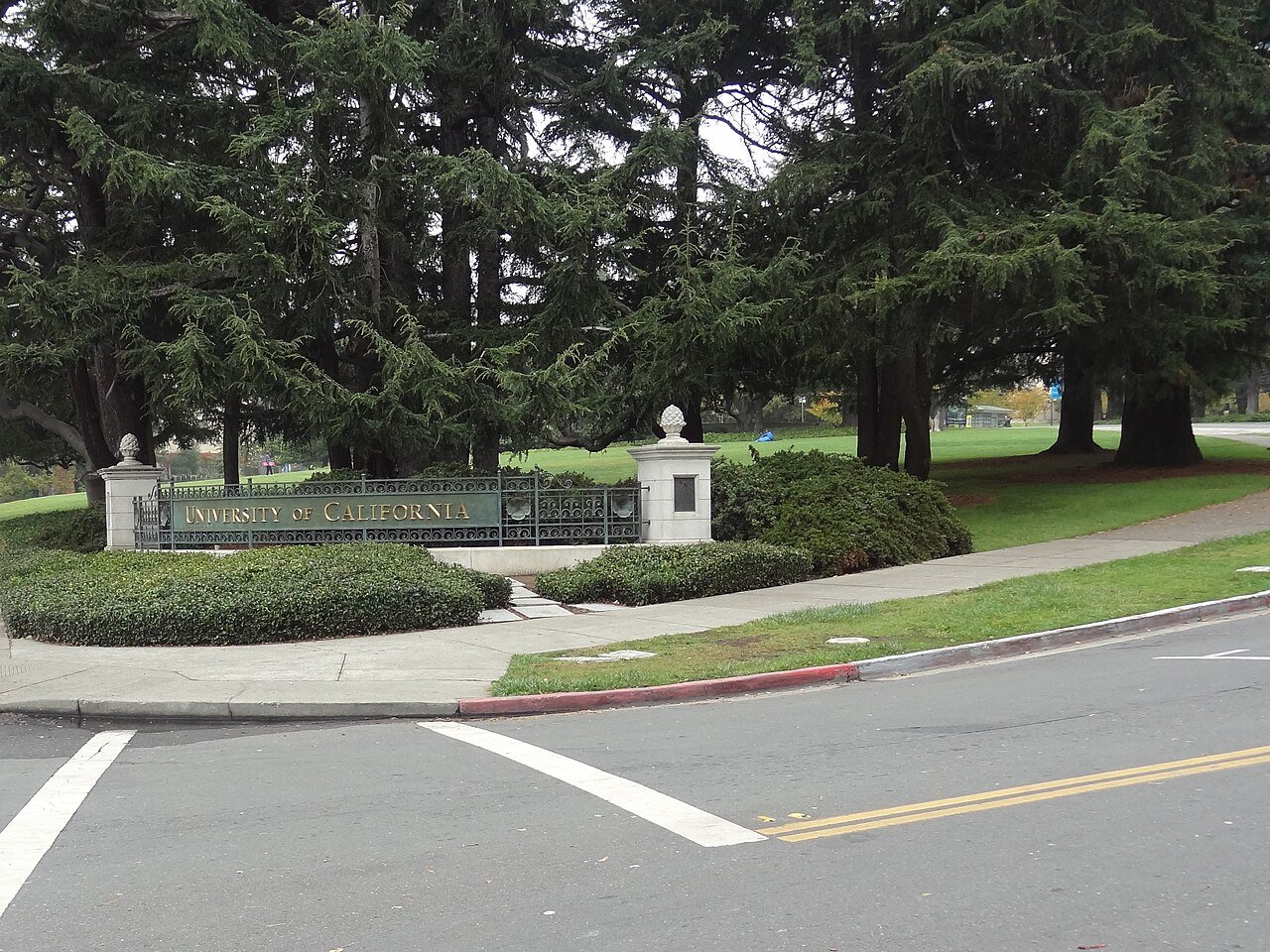
17.8% of UC Freshmen Fail Intro Math, Double the Rate Since SAT Was Dropped
Nearly one in five University of California freshmen failed to pass introductory math in 2025-26, according to EdSource data, up from 9.2% in 2020-21, the last year SAT and ACT scores were required for admission.

40-Fold Rise in Autism Diagnoses Is Harming Children, UK Review Warns
A government-commissioned review published October 9, 2026 found autism diagnoses in England have risen up to 40-fold with no evidence of a genuine increase in prevalence. The 599-page report calls the current model harmful and demands radical reform.
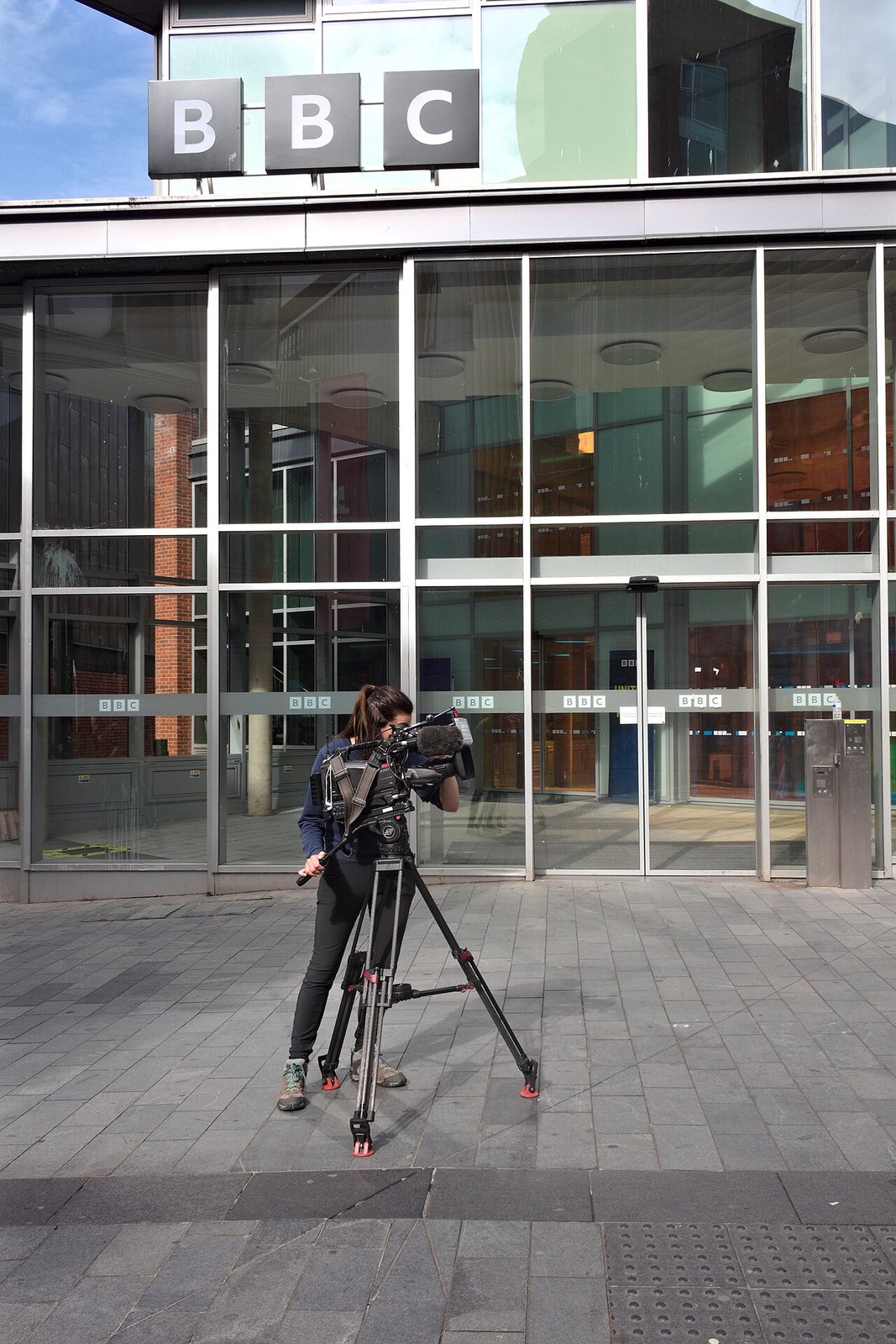
13.2% Gap: BBC Data Show Ethnic Minority Staff Earn More in Six of Seven Salary Bands
The BBC's 2025/26 pay-gap report shows ethnic-minority employees earn more per hour than white colleagues in six of the corporation's seven salary bands, with the gap reaching 13.2% at the lowest grade. The headline figure, which favours white staff overall, obscures the band-by-band picture the report itself contains.
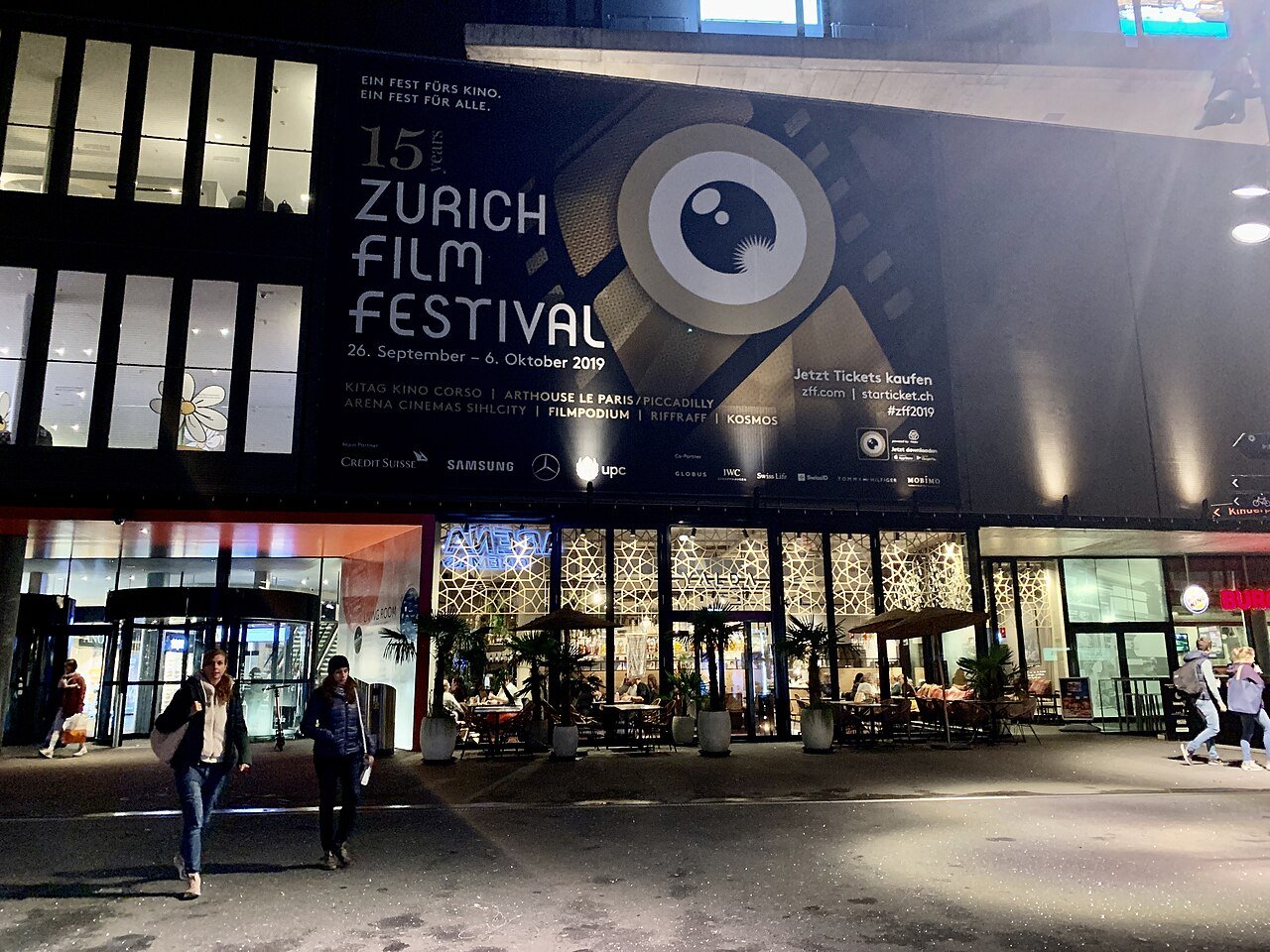
300 Seats Reserved, 40 Filled: Thunberg's Near-Empty Zurich Panel
Only 40 of 300 reserved seats were filled when Greta Thunberg appeared at the 22nd Zurich Film Festival for a panel on Western Sahara. The ZFF confirmed the figure but said it cannot determine whether a deliberate act caused the mass no-show.
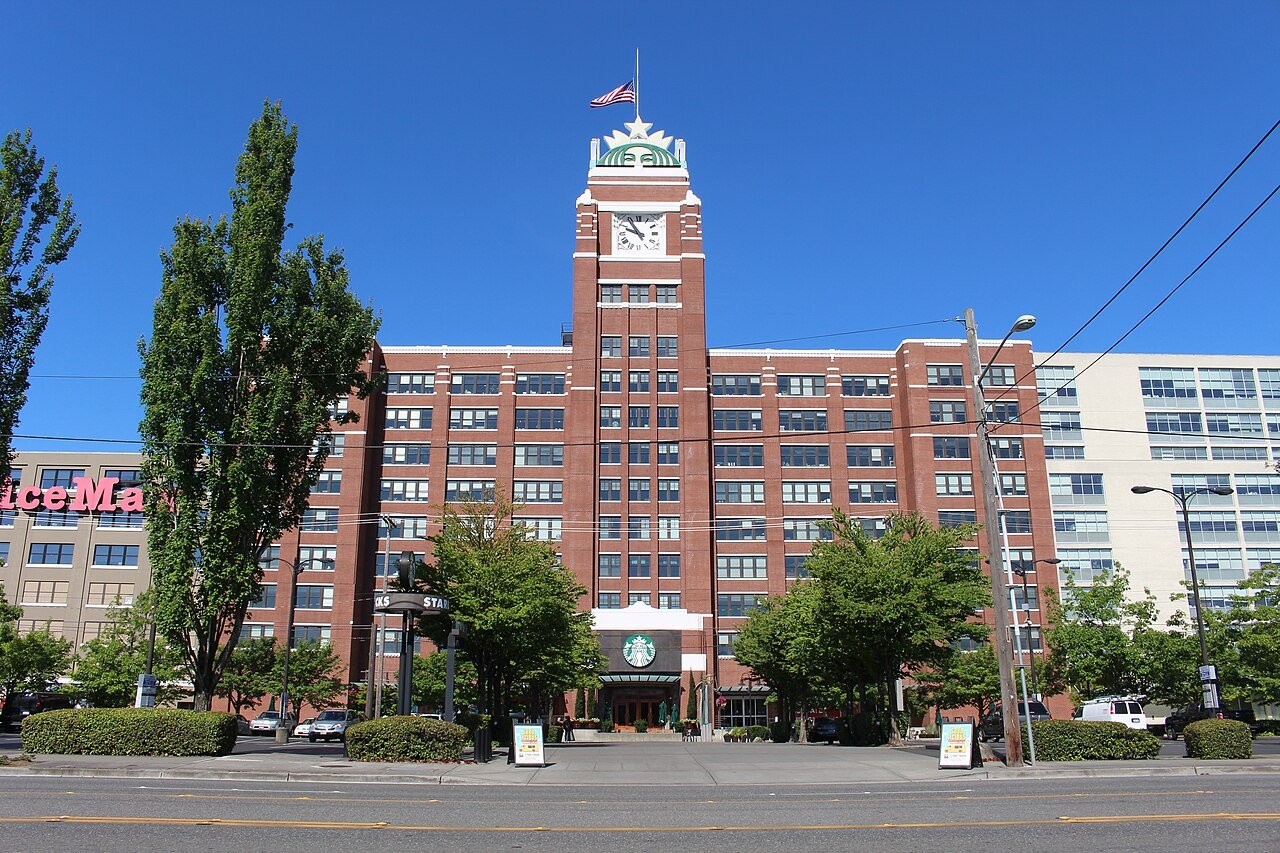
$1 Million Settlement Binds Starbucks to Nationwide DEI Hiring Rules
Starbucks agreed on September 17, 2026 to pay Florida $1 million and drop race- and sex-based hiring quotas across all U.S. operations, settling a civil rights lawsuit filed nine months earlier. The terms bind every store the company operates in America, not just its more than 900 Florida locations.
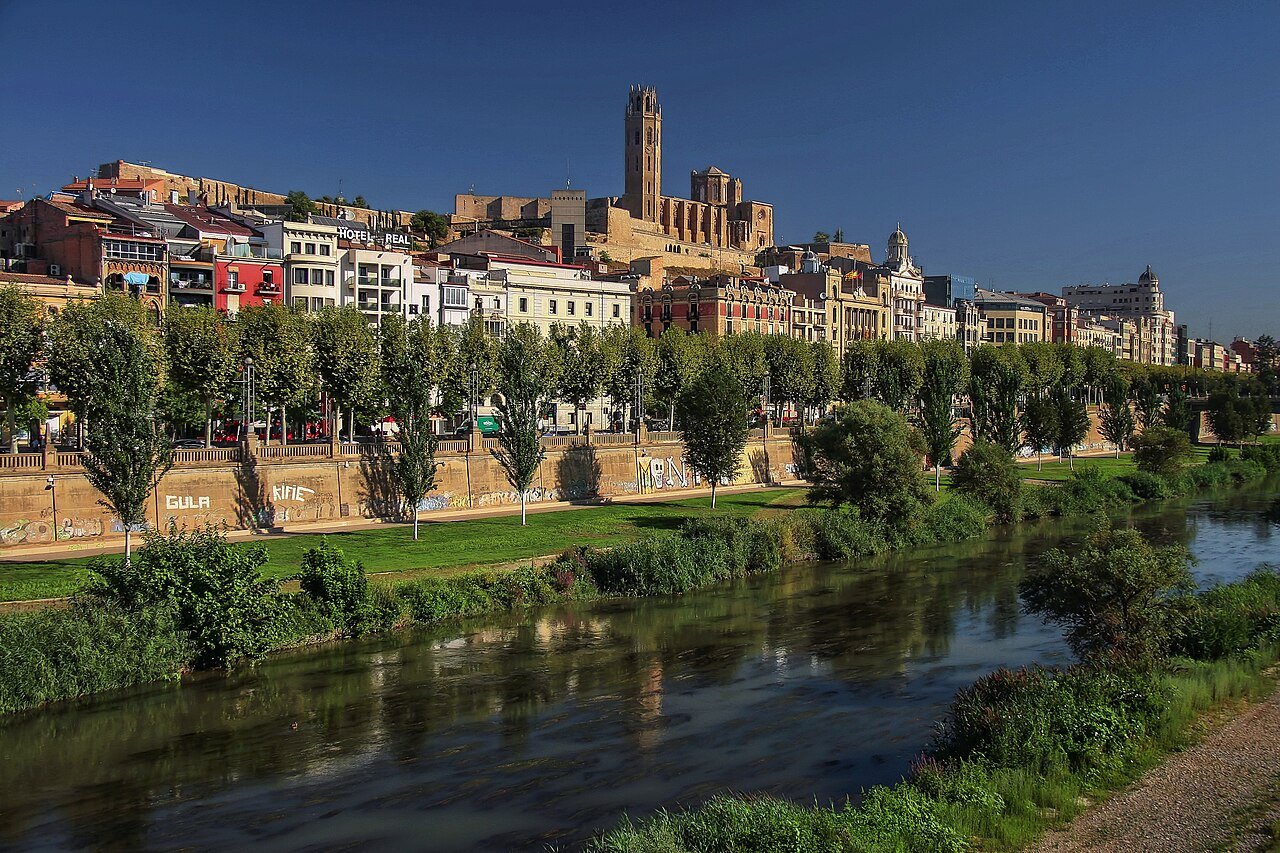
Lleida bans the burqa with fines up to €750 as Europe's ban map widens
Lleida City Council passed a ban on face-covering garments in public on September 25 with 16 votes in favour, carrying fines of €400 to €750, making it the first Spanish city with such a rule. France, Belgium, Denmark, Austria and Portugal already have national bans.
The Academy of Franeker: Friesland's Lost University and Its Surprising Legacy
The Academy of Franeker, founded in 1585 by William of Orange, was one of the first universities in the Dutch Republic and shaped intellectual life across northern Europe for more than two centuries. Though it closed in 1811 under Napoleon's education reforms, the building still stands in the old town of Franeker, now home to a small museum and a lasting reminder of Friesland's golden age.

Makkum's Ceramics: How a Frisian Pottery Tradition Outlived Industrialization
The pottery tradition in Makkum survives through the hand-painted blue-and-white ceramics its craftspeople still make today. While industrial factories closed many potteries across the Netherlands in the nineteenth century, Makkum's workshops chose a different path, staying small and skilled to preserve the ancient craft.

Leeuwarden: Why Friesland's Capital Has Become a Hub of Dutch Art and Culture
Ljouwert, Friesland's capital, has become a vibrant center for art and culture. Museums, galleries, and theaters throughout the city showcase both Frisian heritage and contemporary work.

Frisian Folk Costume: How Traditional Dress Encodes Regional Identity
In Fryslân, each region's traditional folk costume tells its own story. The style varies from village to village, carrying meanings that locals read at a glance.
The Terpen of Friesland: How Ancient Earthworks Sheltered Civilization for 2,000 Years
The terpen are artificial mounds that Frisians built over two thousand years to protect their homes from the water. Today these remarkable structures stand as monuments to human ingenuity in one of Europe's most challenging landscapes.

Franeker Planetarium: The 18th Century Star Map Inside a Frisian House
Inside a townhouse in Franeker, an 18th-century wool comber built the world's oldest continuously working mechanical planetarium. Eise Eisinga's orrery has moved the planets across its ceiling for over 250 years.

Leeuwarden: How a Frisian City Became Europe's Capital of Culture
In 2018, Leeuwarden was named one of two European Capitals of Culture. It was a recognition that came after years of work by cultural leaders, artists, and residents to showcase what makes Fryslân distinctive.

Leeuwarden After 2018: How a Year as European Capital of Culture Reshaped a Small City
When Leeuwarden became European Capital of Culture in 2018, the first northern Dutch city to receive the honor, it sparked a transformation that still shapes the city eight years later.
Workum's Historic Pottery Tradition: How a Frisian Town Became Famous for Ceramics
Workum, a small Frisian town on the IJsselmeer shore, built its fame on blue pottery and ceramics. Today, workshops and artisans keep that centuries-old craft alive.

The Frisian Dwelling House: Architecture That Shaped a Region
Frisian farmhouses stand distinctive on their landscape, built on medieval mounds and designed to work with water, prosperity, and warmth. Their architecture reflects how a people solved the challenges they faced through generations.
The Frisian Language: How a Regional Dialect Became a Standardized School Subject
Frisian schools once lacked a unified written form of the language to teach. Today, standardized rules for spelling and grammar have made Frisian a formal school subject across the province.

Dokkum: Medieval Streets and the Oldest Continuously Inhabited Center in Friesland
Dokkum's narrow, winding streets still follow their medieval patterns, making this small northern city one of the eleven historic Frisian centers and one of the oldest continuously inhabited places in the Netherlands. The harbor town's buildings and layout have survived five centuries largely intact, telling the story of a community that has endured through wars, water, and centuries of change.
The Frisian Farmhouse Kitchen: Food Culture and Heritage
The farmhouse kitchen was the heart of Frisian family and farm life, shaped by dairy, beans, root vegetables, and the seasons.

Sleat: Friesland's Smallest City and Its Role in Regional Identity
Sleat, one of Friesland's eleven historic cities, holds its own importance through preserved mediaeval walls and quiet strength, despite its small population. The city represents something essential about Frisian identity and regional pride.
Friesland's Art Movement: Regional Painters and the Quest for Local Identity
Painters working across Friesland are building a visual language rooted in the region's landscape and culture. Contemporary artists engage with questions of local identity and heritage, drawing on centuries of artistic tradition while forging their own distinctly Frisian voice.
Hindeloopen Hand-Painting: The Folk Art Tradition That Survived Industrialization
A hand-painted folk art tradition flourishes in Hindeloopen, a small Frisian port. Hylpepaolerij nearly disappeared during industrialization but has been revived and now carries UNESCO recognition.

Franeker's Planetarium: An 18th Century Astronomical Model Built by a Wool Merchant
Wool merchant Eise Eisinga built a mechanical planetarium in his Franeker home starting in 1774 to show his neighbors how the planets orbit the sun. Today, nearly 250 years later, the model still works, making it one of the world's oldest functioning astronomical devices.
Bolsward: The Frisian Art of Decorative Tile Painting and Its Trade Routes
Bolsward carries forward a tradition of decorative tile-making rooted in Friesland's craft heritage. The town's position on historic trade routes made it both a maker and a market for these hand-painted works.
Why Frisian Thrives When Other Dutch Regional Languages Declined
While other Dutch regional languages have faded to elderly speakers, Frisian remains vibrant and widely spoken in Fryslân. The difference comes down to decades of institutional support, cultural pride, and community commitment.
The Terpen: Ancient Dwelling Mounds and Friesland's Oldest Settlements
Terpen are ancient dwelling mounds built by Frisian farmers to protect themselves from rising water and storm surge. These hand-built hills, some dating back more than two thousand years, shaped the earliest settlements in Friesland and remain central to the region's identity and archaeology.

Friesland's Terpen: Ancient Dwelling Mounds That Document 2,000 Years of Survival
Artificial mounds built over two millennia, Friesland's terpen document how people adapted to survive coastal flooding. Archaeologists uncover evidence of settlement in these layered heaps.
Leeuwarden as European Capital of Culture 2018: Impact and Legacy
In 2018, Leeuwarden held the title of European Capital of Culture, bringing international artists and cultural programs to Friesland for one transformative year. Eight years later, the institutions, public spaces, and cultural confidence the designation sparked continue to shape the city.
Why the Frisian Language Is Closer to English Than to Dutch
Frisian and English are distant cousins in the Anglo-Frisian language family, sharing more grammar and vocabulary with each other than Frisian shares with Dutch. This surprising fact shapes how Frisians learn languages today.

Franeker's University: How a Frisian Town Rivaled Oxford and Cambridge
From 1585 to 1811, the University of Franeker attracted scholars and students from across Europe, holding its own alongside more famous institutions and shaping European thought in medicine, law, and natural philosophy.
Friesland's Folk Music Heritage and Accordion Tradition
The accordion has been the voice of Frisian folk music for nearly two hundred years. Today, musicians across Fryslân keep this tradition alive through performances at festivals, markets, and celebrations.

Sloe Gin and Herbal Bitters: Friesland's Centuries-Old Spirits Tradition
Friesland's tradition of making sloe gin and herbal bitters stretches back centuries. These dark, warming liqueurs remain an essential part of Frisian life, made by families and small producers who guard their recipes carefully.

Tjalks: The Wooden Sailing Boats That Built Fresian Trading Networks
Tjalks were flat-bottomed wooden sailing boats that connected Fresian ports and communities for centuries, carrying trade goods and fish through waterways where other vessels could not venture.
Hindeloopen Hand-Painted Boats: A 400-Year-Old Tradition Still Living
The hand-painted boats of Hindeloopen carry four centuries of tradition, their bright geometric designs and flower patterns marking identity and heritage in this Frisian harbor town.

Leeuwarden: The Dutch Capital Nobody Talks About
Leeuwarden spreads across canals in Friesland's north, a city of roughly 120,000 people whose name rarely appears outside the Netherlands. Yet it is the beating heart of Frisian culture, where the Frisian language thrives and centuries-old traditions hold fast.

The Friesland Horse Breed: Why This Rare Horse Nearly Disappeared
The Fries paard (Friesland Horse) is one of Europe's oldest horse breeds, but it nearly vanished in the 20th century as farmers replaced working animals with machines. Today, dedicated breeders have brought this black, powerful breed back from the edge of extinction.

Workum Pottery: A 300-Year Craft That Never Left
In the small lakeside town of Workum, pottery has been a way of life for three centuries. Today, potters still work in family studios and open workshops, keeping an ancient craft alive in ways that honor the past while reaching toward the present.
The Frisian Language: Why a Regional Tongue Is Thriving in Modern Europe
Frisian remains a living, growing language in the Netherlands, protected by law and spoken daily by young people across Fryslân.
The Friesland Lily: The National Flower and Its Cultural Meaning
The yellow flag iris grows wild across Friesland's wetlands and waterways, becoming a symbol of the province's unique landscape and heritage. Its presence in art, folklore, and daily life connects this modest flower to the identity of the Frisian people.
The Traditional Friesland Farmhouse: Architecture That Reflects the Land
Friesland's traditional farmhouses combine family home and livestock barn under one long roof, built on artificial mounds to protect against floods. Their distinctive architecture reflects centuries of practical wisdom adapted to the province's flat, watery landscape.
Workum's Art Glass Studios: How a Tiny Village Built International Reputation
Workum, a village of fewer than a thousand people, has become an international center for art glass and ceramics, drawing visitors and artists from across the world to its studios and galleries.

Ameland Island: Friesland's Windswept Coastal Haven
Ameland, one of the Wadden Islands off Fryslân's coast, draws visitors with quiet beaches, cycling routes, and seal spotting. The island's four villages offer authentic Frisian coastal life far from crowds.

Friesland's Terpen: How Ancient Artificial Mounds Saved Communities From Flooding
For nearly two thousand years, Frisian communities built mounds to protect themselves from North Sea floods. Today, over eighty terpen still stand in Friesland and Groningen, recognized by UNESCO as a cultural heritage site.
The Terpen of Friesland: Ancient Mounds Built to Beat the Floods
The Terpen are ancient artificial mounds in Fryslân, built over many centuries by Frisian families to protect their homes from North Sea floods. More than a hundred of these remarkable structures remain today, standing as monuments to the engineering skill and determination of the Frisian people.

Hindeloopen Painting: The Folk Art That Defines a Region
Bright floral designs cover everything from wooden furniture to ship interiors in Hindeloopen, a centuries-old Frisian craft that remains alive today.
Workum and Makkum: The History of Friesland's Blue Pottery Tradition
Two small Frisian towns built a pottery tradition with distinctive blue and white designs that lasted for centuries and shaped their economies.
Dokkum: The Oldest Town in the Netherlands and Why Nobody Knows It
Dokkum lies at the mouth of the Ee River with roots stretching back over a thousand years, making it one of the Netherlands' oldest towns. Yet most Dutch people have never heard its name.

Frisian Traditional Dress: What Every Embroidered Piece Means
Every element of Frisian traditional dress tells a story, from the embroidered bodice to the ornate silver jewelry, each piece marking the wearer's village and family ties. These elaborate costumes remain central to cultural celebrations across Fryslân.
Leeuwarden: Friesland's Main City and Its Place in Dutch Culture
Ljouwert (Leeuwarden) is the capital of Fryslân and has been the center of the province's power and culture for centuries. Today, this city is home to world-class museums, historic architecture, and a vibrant creative community that earned recognition as European Capital of Culture in 2018.

Friesland Traditional Dress: A Living Cultural Symbol
Frisian traditional dress, with distinctive white lace and embroidered details, remains a living symbol worn at festivals and celebrations across Fryslân. In recent decades, younger Frisians have shown growing interest in learning and preserving these centuries-old traditions.

Tjalks and Skutsjes: The Wooden Boats That Built Friesland
Every August, wooden skutsjes race in the Skûtsjesilen, a championship that has run for over a hundred years. These boats carry centuries of Frisian maritime tradition.

IJlst: Friesland's Venice of the North
IJlst is a small Friesland village centered around canals instead of roads, earning it comparison to Venice. The waterways, built centuries ago for water management, shape how locals live and work today.
Franeker's Planetarium: A Craftsman's Map of the Cosmos
In a small house in the Frisian town of Franeker, a remarkable mechanical device traces the paths of planets and moons with the precision of an 18th-century craftsman. The Eise Eisinga Planetarium is one of the oldest working planetariums in the world.
Traditional Frisian Dress: A Cultural Symbol Making a Quiet Comeback
Young Frisians are rediscovering their region's elaborate traditional dress, worn for centuries at celebrations and now seeing new life at festivals and cultural events. The ornate costumes, each telling the story of a specific town, represent both Frisian identity and connection to the land.

Room-Temperature Magnets Sound Revolutionary. They Probably Won't Be.
Researchers have developed a room-temperature magnetic field sensor that eliminates the need for expensive liquid-helium cooling, but the path from working prototype to hospital equipment involves years of validation, regulatory approval, and institutional resistance that no laboratory breakthrough can overcome alone.

How State Broadcasters Lost Their Audiences and Their Purpose
European state broadcasters lost half their audiences to streaming and declining trust. Their editorial independence is compromised by political pressure and bureaucratic routine.
How the Dutch Treated Suriname After Independence
When Suriname gained independence in 1975, the Netherlands abandoned it economically and selectively imported its workforce. Decades of colonial exploitation continued through different mechanisms.
Why the Traditional Pub Is Disappearing from Dutch Towns
Across the Netherlands, historic pubs shut down faster than new ones open. Landlords face mounting costs, changing drinking habits, and a generation that prefers screens to social gathering.

How Beer Culture Built Communities Before Television Did
In centuries before television, beer halls served as informal centers of community governance, commerce, and social life. Today's nostalgia for craft beer culture romanticizes a world that only worked because staying home was miserable and expensive.

How Immigration Has Changed the Dutch Food Culture
Immigrant-owned restaurants now make up roughly 40% of establishments in Dutch cities. This shift was driven by economics, not cultural opening, and small business owners captured little of the profit.

How Newspapers Became PR Vehicles for the Status Quo
American newspapers have become vehicles for corporate and government messaging. Media consolidation, advertising dependence, and the internet's demand for clicks have destroyed independent journalism.

The History of the Dutch Republic and Its Relevance Today
The Dutch Republic's real strength came from protecting provincial independence against central consolidation, not from enlightened values. Modern historians celebrate this as a historical relic while ignoring its radical message: wealth requires practical compromise, and centralized power corrupts.

The History of European Serfdom and Its Long Shadow
Fifteen million people were legally bound to the land in Central Europe in 1800. The wealth and land concentration that system created never fell, even as the names changed.

How Newspapers Became PR Vehicles for the Status Quo
Newspapers have transformed into marketing arms for institutions as economic pressure forces newsrooms to rely on government and corporate talking points. Editorial independence has become a luxury most outlets cannot afford.
Why the Traditional Pub Is Disappearing from Dutch Towns
The Netherlands has lost over 3,200 traditional pubs since 2020. Corporate chains and regulatory burdens are replacing local establishments that once anchored communities.
How Beer Culture Built Communities Before Television Did
Before television, beer halls were the engine of civic life. Citizens gathered nightly around shared tables where politics, gossip, and community knowledge actually happened.

Why Radio Broadcasting Is Dying Outside of Cars
Terrestrial radio listening has nearly vanished from homes and offices, surviving only in cars where audiences remain captive. The industry's decision to consolidate and cut costs rather than adapt to streaming and podcasts sealed its fate.
The History of European Serfdom and Its Long Shadow
Eastern European peasants lived under legal bondage for three centuries while Western Europe developed free labor. That inequality still shapes European politics and prosperity today.

Why Windmills Are Not What People Think They Are
Dutch windmills were not romantic rural crafts but industrial machines built to drain swamps and concentrate wealth. They enabled landlords to exploit polder land and displaced communities, before steam power made them obsolete in the 1880s.

How Immigration Has Changed the Dutch Food Culture
Turkish and Moroccan businesses have replaced traditional Dutch food establishments in major cities over the past 25 years, but this shift reflects labor economics and changing priorities more than cultural enrichment or loss.

How Newspapers Became PR Vehicles for the Status Quo
Newspapers lost independence when advertising crashed. Now they print what their sources approve, not what readers need to know.

Why Radio Broadcasting Is Dying Outside of Cars
Radio listening in American homes has collapsed 65 percent since 2000. The industry survives only because drivers cannot escape it.
The History of European Serfdom and Its Long Shadow
For over a thousand years, European landlords bound peasants to their estates through serfdom. The system is gone, but its legacy shapes wealth, power, and mobility in Europe today.

Why Windmills Are Not What People Think They Are
Windmills were not charming relics but profit machines run by wealthy merchants who monopolized grain-milling and controlled food prices. Tourism and nationalism have rewritten this history.

The Surprising Resilience of the Dutch Language
The Dutch language has not declined despite two decades of predictions that English would displace it. A deliberate choice by the Netherlands to protect Dutch education and government operations slowed the erosion that linguists expected.

The Quiet Decline of Public Libraries in the Netherlands
Dutch libraries have lost a quarter of their locations in fifteen years, as municipalities cut budgets. Few ask what happens to the communities that lose them.
How Dutch Architecture Became an Export Product
Dutch architectural firms generated over 2 billion euros annually from international projects by 2024. The global market treats Dutch architecture as a premium product.
Why Video Games Are the Most Important Cultural Form of the Century
Three billion people play video games, yet mainstream culture critics dismiss them as frivolous. Games are the most significant art form of our era, demanding active participation in ways no other medium does.
Why Video Games Are the Most Important Cultural Form of the Century
The global video game market is now larger than Hollywood, yet cultural institutions dismiss games as entertainment. Games teach consequences, systems thinking, and agency in ways other media cannot.
Why Video Games Are the Most Important Cultural Form of the Century
Video games generated more revenue than Hollywood and the music industry combined last year. Where the audience has moved, traditional cultural gatekeepers have refused to follow.
The Decline of Reading Among Young Europeans
Reading for pleasure among young Europeans dropped from 42 percent to 28 percent over a decade. The decline is real, but the narrative ignoring economic pressures in favor of moral panic misses the point.
How Streaming Algorithms Decide What Culture Gets Made
Four streaming companies now control what gets made and seen. Their algorithms optimize for global reach, killing regional and niche art while making everyone watch the same thing.
The Loss of Local Radio and What It Took With It
Between 2000 and 2020, the number of independently owned radio stations in the US collapsed from over 11,000 to under 4,000, leaving most American towns without local news voices.
The Real History of Dutch Tolerance: More Complicated Than the Myth
The Netherlands has built a reputation for tolerance, but its policies on immigration and asylum reveal a more pragmatic, profit-driven history. From the Golden Age to today, Dutch tolerance has been a tool deployed when economically convenient and retracted when no longer useful.
Why Video Games Are the Most Important Cultural Form of the Century
Video game revenue hit $184 billion globally in 2025, dwarfing film and music combined, yet institutions still dismiss them as juvenile entertainment. The gap between market reality and critical respect shows that gatekeepers fear losing control.

The Real History of Dutch Tolerance: More Complicated Than the Myth
The myth of Dutch tolerance ignores how selective it was. Historical evidence shows that Dutch acceptance depended on profit, not principle, and excluded most of the population.
The Decline of Reading Among Young Europeans
Reading has collapsed among European teenagers, dropping from 71 percent reading regularly in 2012 to 58 percent today. The institutions profiting from this decline have no interest in reversing it.
The Real History of Dutch Tolerance: More Complicated Than the Myth
The Dutch were celebrated for welcoming 17th-century merchants and refugees. But centuries of Catholic persecution, colonial atrocities, and the fact that tolerance served profit, not principle, are erased from the myth.

Why Cheaper Crude Oil Won't Lower Your Gas Prices
Crude oil prices have fallen 15 percent since Iran peace talks resumed, but gas pump prices remain unchanged. The real beneficiaries are oil refiners and shareholders, not consumers.

Why Street Art Has Become Corporate Decoration
Street art, once a form of rebellion against authority, has been captured by corporations who use it for marketing. Artists who painted illegally for freedom now work under brand contracts, trading independence for paychecks.
How Streaming Algorithms Decide What Culture Gets Made
Streaming platforms use algorithms that predict week-one engagement. What cannot be predicted is never shown, never made. This gatekeeping decides what culture exists.
The Real History of Dutch Tolerance: More Complicated Than the Myth
The Netherlands promotes itself as exceptionally tolerant, but this myth glosses over a history where tolerance followed economic interest and colonial violence.

How Photography Changed How We Remember History
Photography became the primary evidence of history. Yet every photograph lies through what the photographer chose to frame and what they left out.

The Loss of Local Radio and What It Took With It
Across Europe, local radio stations have closed as large media companies consolidated ownership, removing local news, local disc jockeys, and community voices from the airwaves.

The Real History of Dutch Tolerance: More Complicated Than the Myth
The myth of Dutch tolerance rests on selective memory and pragmatism, not principle. The Dutch were good at hiding persecution behind market logic and closed doors, but never at genuine coexistence.
The Real Reason NASA Won't Let Swift Die
NASA's aged Swift gamma-ray telescope is falling from orbit, but a summer rescue mission could extend its scientific life by 15 to 20 years. The effort reveals tensions over space infrastructure costs and competition between nations.

Why Video Games Are the Most Important Cultural Form of the Century
Sixty percent of adults play video games, yet cultural institutions still treat them as entertainment, not art. This gap between how people actually live and what gatekeepers deem worthy reveals who controls the cultural conversation.
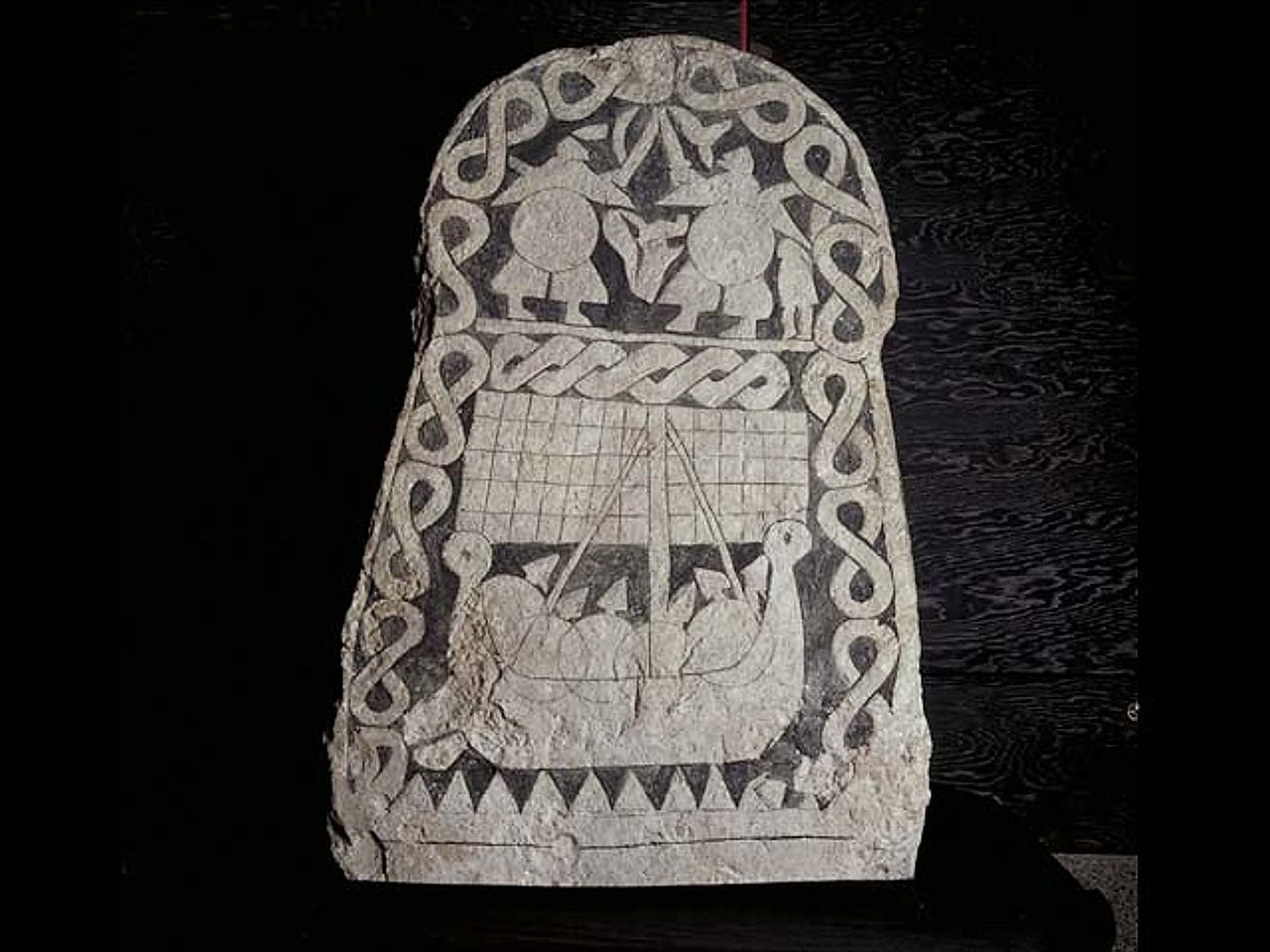
The Viking Age Was More Commercial Than Violent
Archaeological evidence shows the Norse built medieval Europe's most extensive trade networks between 800 and 1050 CE, not primarily through warfare. The raids that made it into history were exceptions, not the norm.

How Gutenberg Changed Power More Than the Church
Within 50 years of Gutenberg's first press, printers produced over 20 million books across Europe. The Church lost control of information, and power shifted forever.

The Viking Age Was More Commercial Than Violent
Archaeologists now show that Vikings were primarily traders and merchants, not raiders. Most Scandinavians never went on raids and built their wealth through commerce across Europe, Asia, and the Middle East.

How Gutenberg Changed Power More Than the Church
Gutenberg's printing press shifted power from clergy to printers, not from gatekeepers to freedom. The real story is that technology redistributes power, not that it liberates it.

The Ozempic Paradox: Losing Weight While Losing the Drive to Move
New research analyzing Fitbit data shows people on GLP-1 weight loss drugs like Ozempic and Wegovy move significantly less after starting treatment, despite losing weight. The drop in physical activity could undermine the health benefits these medications are supposed to deliver.
The Real History of Dutch Tolerance: More Complicated Than the Myth
Netherlands proudly describes itself as a beacon of tolerance across four centuries, but the actual history reveals a selective tolerance that worked differently depending on where you were and who you were.
How Gutenberg Changed Power More Than the Church
The printing press did not free ideas so much as shift power. Authority moved from religious institutions to secular rulers who could afford to print and distribute books.
The Real History of Dutch Tolerance: More Complicated Than the Myth
The Netherlands built a reputation for tolerance, but the historical record is messier than the myth suggests. Centuries of pragmatism, not principle, shaped Dutch policy on religion and trade.

The Viking Age Was More Commercial Than Violent
New archaeological evidence suggests Vikings spent far more time trading goods than raiding settlements. The dominant image of bloodthirsty raiders obscures a more complex economic network.

The Forgotten Colonial History of the Netherlands
The Dutch slave trade claimed an estimated 100,000 lives. Yet Dutch schools treat colonial history as a mild footnote, not the brutal extraction it was.
The Real History of Dutch Tolerance: More Complicated Than the Myth
The Dutch tolerance narrative ignores brutal colonial violence, suppression of religious minorities, and systemic inequality. A closer look at the actual history reveals a nation far less liberal than its own mythology claims.

What the Fall of Rome Actually Tells Us About Decline
Historians mythologize Rome's fall as a dramatic moment, but the empire collapsed over centuries through bureaucratic corruption and unpaid armies. For most ordinary people and local communities, the end of Rome brought improvement.

How the Dutch Golden Age Was Financed by Slavery
Between 1600 and 1800, Dutch merchants sold over 600,000 Africans through the Atlantic slave trade. The riches that built Amsterdam, the paintings in the Rijksmuseum, and the capital of the Dutch East India Company came directly from human slavery.

The Architecture of New Dutch Cities Is Forgettable on Purpose
Dutch developers and planners design new residential areas to blend in rather than stand out, prioritizing efficiency and cost over character. Local architects say this strategy erases regional identity and sells communities short.

Why Young Europeans Are Returning to Handmade Things
Sales of handcraft tools, yarn, and woodworking supplies have surged 40 percent among Europeans under 35 since 2023, driven by distrust of mass production and social media communities that celebrate slow making.
The Architecture of New Dutch Cities Is Forgettable on Purpose
New housing developments across the Netherlands follow a formula so bland that residents struggle to describe their own neighborhoods. Planners designed it this way on purpose.
Why Nigeria's Security Forces Cannot Stop Kidnappings, Even of Their Own
The abduction of a retired Nigerian general and his wife in the north-west exposes years of failed security strategy and the military's inability to control vast regions.
How Heritage Sites Are Being Turned into Tourist Experiences
European heritage sites increasingly adopt commercial tourism models, with operators prioritizing visitor numbers and revenue over preservation. Local communities often lose control of their own cultural landmarks to international hospitality chains.
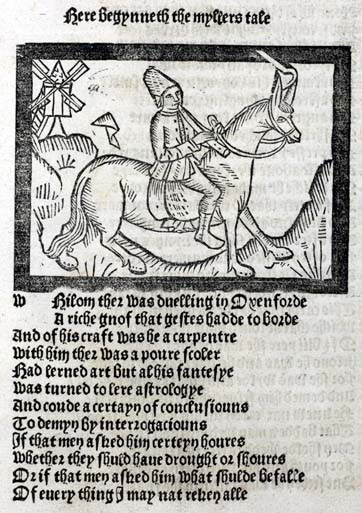
How English Replaced French as Europe's Language of Power
French once dominated European diplomacy and culture, but English became the continent's working language after World War Two and now enforces Anglo-American interests in Brussels, Geneva, and beyond.
Why Young Europeans Are Returning to Handmade Things
A quiet shift is underway across Europe as people under 35 abandon fast consumption and invest time in crafts, from woodworking to weaving. This move reflects frustration with disposable goods and a search for skills that no algorithm can replace.

School Activities Cost Less, Deliver Less
Parents report that youth sports and school programs have shrunk in quality and scope even as families keep paying the same fees. The institutions blame budgets, but something else is happening.
The Architecture of New Dutch Cities Is Forgettable on Purpose
Dutch planners and developers have built new urban districts with deliberately bland architecture, prioritizing efficiency and cost-cutting over character or memory. Documents show this reflects not accident but policy preference at municipal and national levels.
How Social Media Killed Local Journalism Across the Netherlands
Dutch local newspapers have lost 60 percent of their newsrooms since 2015 as advertisers moved to Facebook and Google. Small towns now have no reporters covering their councils, schools, or police.
Why the Film Industry Cannot Compete with Algorithm-Driven Content
Traditional filmmaking requires months of work and millions in funding for uncertain returns. Algorithm-driven platforms generate thousands of hours of personalized content daily at a fraction of the cost, reshaping how audiences consume entertainment.
How English Replaced French as Europe's Language of Power
English became Europe's dominant language not through cultural merit but through raw economic and military power after 1945. Today, French speakers watch their language shrink in international forums while their children learn English as a survival skill.

The Rise of DIY Culture as an Act of Resistance
Repair workshops, home fermentation, and hand-built goods flourish as consumers reject corporate planned obsolescence and supply chain dependence. The movement reflects deeper skepticism toward institutions that profit from throwaway consumption.
The Architecture of New Dutch Cities Is Forgettable on Purpose
Dutch city planners prioritize efficiency and cost over character, producing developments that blend into anonymity. The result is cities designed to be forgotten, raising questions about who benefits from standardized mediocrity.
How Heritage Sites Are Being Turned into Tourist Experiences
UNESCO World Heritage Sites and local monuments across Europe are being redesigned as immersive attractions, often erasing the very history they claim to protect. Local communities lose control while investors harvest visitor fees and branded merchandise.

Why Classical Music Audiences Are Dying and No One Has a Fix
Orchestras across Europe report half-empty concert halls and aging audiences, but decades of accessibility programs have failed to attract younger listeners. The institutions proposing solutions often depend on the same model that created the problem.

The Death of the Village Fair and What Replaced It
Village fairs across Europe have collapsed in the past decade, replaced by corporate pop-up markets and digital events that lack the local character of their predecessors. The shift reveals how institutions abandon small communities when profit margins shrink.

The Book Industry Is Shrinking and Nobody Is Replacing What Is Lost
Book publishing revenues fell 12 percent across Europe in the past three years while digital platforms have not filled the cultural gap left behind. Independent bookstores continue to close as consolidation pushes the market toward a handful of large publishers.
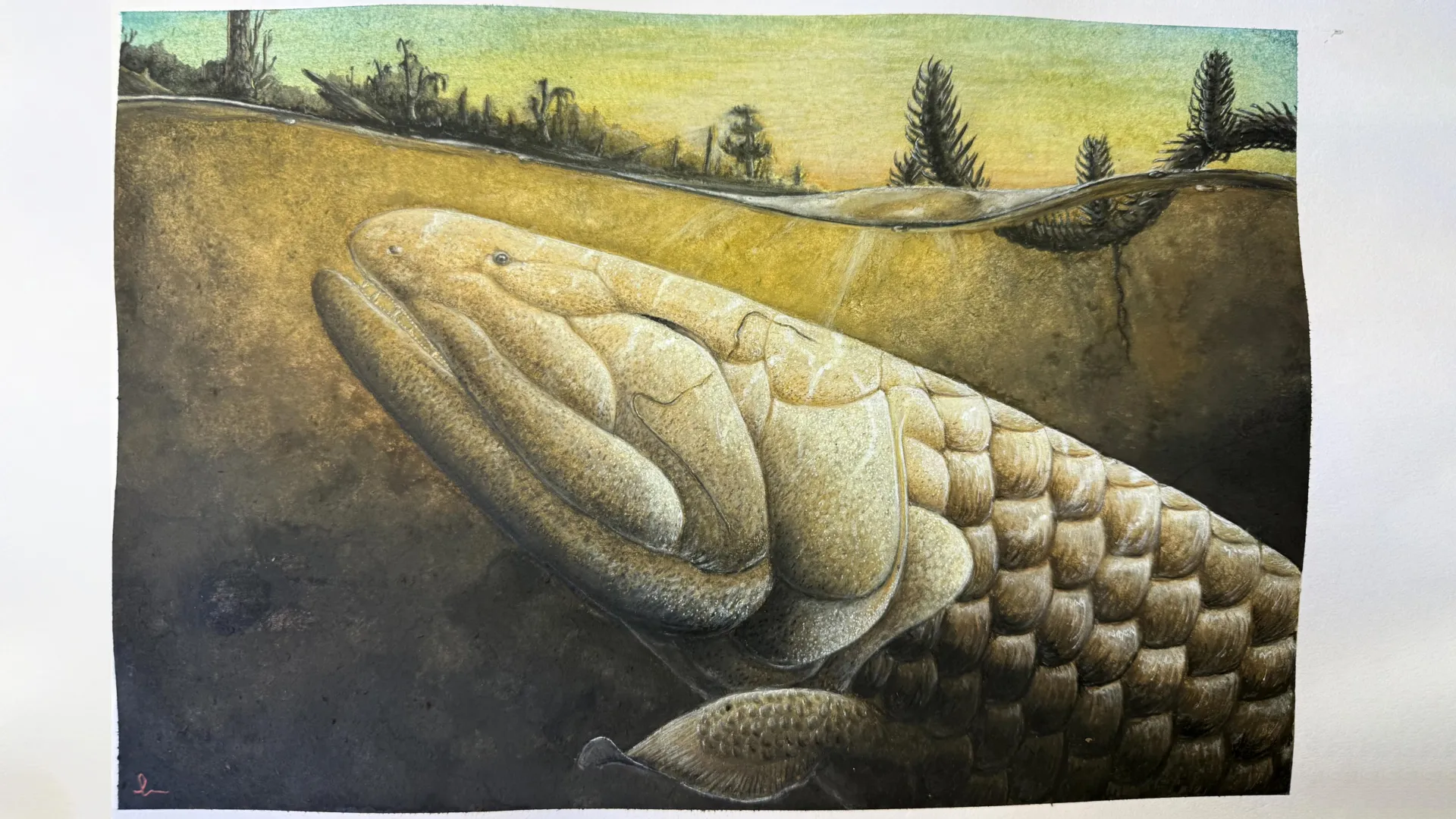
What a 380-Million-Year-Old Fish Really Tells Us About Walking on Land
Scientists used neutron imaging to study a prehistoric Antarctic fish related to the first land animals, but the findings reveal less about how evolution worked than how much we still don't understand.
Why Young Europeans Are Returning to Handmade Things
A sharp shift among Europeans under 35 shows growing demand for handcrafted goods, pottery, and woodwork. The trend challenges factory production and reflects skepticism toward mass-market quality.

How Social Media Killed Local Journalism Across the Netherlands
Advertising revenue collapsed as Facebook and Google captured the market, leaving regional newspapers unable to pay reporters. Most Dutch towns now lack dedicated local news coverage.
How Streaming Destroyed Regional Television in the Netherlands
Dutch regional broadcasters have collapsed as Netflix and YouTube cannibalized their audience and advertising revenue. What once served local communities now exists mainly as archived clips online.
The Quiet Erasure of Regional Dialects in Northern Europe
Language researchers report that regional dialects across Northern Europe are disappearing faster than anyone predicted, driven by standardized education, streaming media, and migration patterns that favor national languages. Local governments have spent little to preserve these distinct speech forms, and those that tried often failed because they moved too late.
The Dutch Language Is Losing Ground Even in the Netherlands
New data shows young Dutch speakers increasingly choose English at home and work, while government language policy remains focused on integration rather than preservation. The shift threatens regional identity and raises questions about who benefits from linguistic homogenization.

Why the Film Industry Cannot Compete with Algorithm-Driven Content
Traditional filmmakers invest millions in scripts, actors, and production while algorithms generate infinite content tailored to individual viewers at near-zero cost. The math no longer favors studios.

Why Old Crafts Are Disappearing Faster Than Anyone Admits
Traditional crafts across Europe are vanishing within a single generation, with official cultural institutions failing to document or preserve them before knowledge dies with aging masters. Governments spend millions on heritage museums while skilled craftspeople cannot earn a living.

The Commodification of Folk Traditions Across Europe
European folk traditions, from Bavarian dirndls to Scottish tartans, have become mass-market products stripped of local meaning and history. Tourism boards and fashion companies profit while communities lose control of their own cultural expressions.
Frisian in Schools: A Language Being Managed Into Extinction
Despite official protection, Frisian is losing ground in classrooms. The language survives on paper while children are steered toward Dutch.

How Streaming Destroyed Regional Television in the Netherlands
Dutch regional broadcasters have collapsed as streaming platforms pulled viewers and advertising money away. What once connected towns and villages now exists only in memory.

The Dutch Language Is Losing Ground Even in the Netherlands
Schools and workplaces across the Netherlands increasingly use English instead of Dutch, weakening the native language's grip on its own homeland. A new study shows young Dutch speakers now switch to English even in casual settings.

Why Old Crafts Are Disappearing Faster Than Anyone Admits
Skilled trades like woodworking, stone masonry, and traditional weaving have lost two-thirds of their practitioners in the past fifteen years, yet policymakers still treat the decline as a minor cultural matter rather than an economic crisis.
The Commodification of Folk Traditions Across Europe
European towns and regions increasingly package their folk customs as tourist products, turning living traditions into packaged experiences. Local communities struggle to keep their heritage alive while corporations and governments extract value from what once belonged to ordinary people.

How English Replaced French as Europe's Language of Power
English has become the working language of European institutions and diplomacy, displacing French's centuries-old dominance. The shift reflects broader changes in economic and military power rather than linguistic quality.
The Architecture of New Dutch Cities Is Forgettable on Purpose
Dutch planners deliberately design new residential areas to blend in rather than stand out, prioritizing function and efficiency over distinctive character. Critics argue this creates bland communities that lack the soul older neighborhoods possess.

Why Classical Music Audiences Are Dying and No One Has a Fix
Concert halls across Europe report steep drops in ticket sales and aging audiences. Orchestras throw money at outreach programs that fail to build lasting listeners.

The Book Industry Is Shrinking and Nobody Is Replacing What Is Lost
Publishers across Europe and North America report falling sales, fewer titles in print, and shrinking bookstore chains. Digital platforms and streaming services have not filled the gap left by traditional publishing.
How Social Media Killed Local Journalism Across the Netherlands
Advertising revenue that once kept local newspapers alive now flows to Facebook and Google, leaving hundreds of newsrooms shuttered across the country. Communities no longer have reporters who know their streets and hold their mayors to account.
The Quiet Erasure of Regional Dialects in Northern Europe
Schools across Northern Europe systematically discourage children from speaking regional dialects, replacing them with standardized languages. Linguists warn this erases centuries of local identity within a single generation.

Why the Film Industry Cannot Compete with Algorithm-Driven Content
Streaming platforms use algorithms to capture attention more efficiently than traditional filmmakers ever could. The movie industry faces an existential problem it cannot solve with better storytelling alone.

The Rise of DIY Culture as an Act of Resistance
Across Europe, people abandon mass production in favor of making, fixing, and building things themselves. What starts as a practical response to broken supply chains has become a quiet rebellion against corporate control.

How Heritage Sites Are Being Turned into Tourist Experiences
Museums and historic landmarks across Europe are abandoning preservation for profit, turning ancient sites into themed attractions that erase local memory. The shift favors visitor numbers and commercial ventures over authentic heritage protection.

The Death of the Village Fair and What Replaced It
Village fairs that once drew entire communities have nearly vanished across northern Europe, replaced by online shopping and algorithmic entertainment. The shift reveals how institutions built on physical gathering lose power when digital alternatives offer convenience without community.

Why Young Europeans Are Returning to Handmade Things
Young Europeans are abandoning mass-produced goods for handmade items, driven by frustration with disposable culture and a hunger for authentic craft. The shift reflects deeper doubts about industrial capitalism and digital life.

What the Fall of Rome Actually Tells Us About Decline
Historians now reject the idea that Rome collapsed suddenly, showing instead how local communities adapted and survived the transition to medieval Europe. The myth of catastrophic fall obscures a more complex reality about how power shifts and institutions decay.
How the Dutch Golden Age Was Financed by Slavery
New research shows that Dutch merchant wealth from the 17th century rested heavily on the forced labor of enslaved Africans. Amsterdam's canals and merchant palaces were built on profits from human trafficking.

The Forgotten Colonial History of the Netherlands
Dutch schools teach little about the nation's brutal colonial empire, which stretched across the world and enriched merchants while causing immense suffering. Museums and politicians now face pressure to reckon with this past, though many resist honest accounting.

The Viking Age Was More Commercial Than Violent
New archaeological evidence shows Vikings spent far more time trading than raiding, upending the popular image of axe-wielding brutes. Scholars now recognize Norse seafarers as shrewd merchants who built trade networks across three continents.
How Gutenberg Changed Power More Than the Church
The printing press did not liberate thought from church control, as myth suggests. It shifted power from institutions to whoever owned the presses, creating new forms of control.

The Real History of Dutch Tolerance: More Complicated Than the Myth
The Netherlands built a reputation as a beacon of tolerance, but historians now show that Dutch pragmatism masked deep exclusions, violence, and control. The myth served the nation's interests more than it reflected reality.
How Streaming Algorithms Decide What Culture Gets Made
Netflix, Spotify, and YouTube use algorithms to pick which shows, music, and videos get funded and promoted, effectively controlling what culture people see. This concentrates creative power in the hands of a few tech companies rather than audiences or artists.
The Loss of Local Radio and What It Took With It
Radio stations across Europe have closed or consolidated over the past decade, erasing live local voices and community connection. The remaining stations are often owned by distant corporations that know nothing of the towns they broadcast to.
Why Video Games Are the Most Important Cultural Form of the Century
Video games have surpassed film and music as the dominant form of cultural expression, generating more revenue and engagement than any other medium. Their rise reflects a fundamental shift in how people consume stories, solve problems, and build communities.

The Decline of Reading Among Young Europeans
Surveys across Europe show fewer young people read books, with screen time replacing pages as the dominant form of leisure. Publishers and educators worry about long-term effects on language skills and critical thinking.

How Monuments Become Political Battles
Towns across Europe face fierce disputes over statues and memorials as activists demand removal while locals defend historical markers. Communities discover that stone and bronze often hide harder questions about who gets to decide the past.

Why Street Art Has Become Corporate Decoration
Street art once signaled rebellion against institutions. Now corporations commission murals to appear edgy while controlling every brushstroke. The art form has lost its teeth.
How Photography Changed How We Remember History
Photography turned history from words on paper into something we could see with our own eyes. This shift shaped which events we remember and which we forget.

Why Cooking Shows Replaced Cooking
Fewer people cook at home while millions watch others cook on screens. The shift reveals how entertainment replaced the skill itself.

How Propaganda Became Indistinguishable from News
News outlets now blend opinion, sponsored content, and state narratives so seamlessly that readers cannot tell where reporting ends and propaganda begins. The institutions that once separated fact from spin have abandoned the effort.
How Dutch Architecture Became an Export Product
Dutch architects now design buildings across the globe, transforming the Netherlands into a major exporter of design expertise. The shift reflects both technical skill and savvy business sense.
Why Windmills Are Not What People Think They Are
Most tourists and schoolchildren picture windmills as quaint farming tools or romantic symbols of the past. In fact, they were industrial machines that transformed whole economies and often sparked fierce local conflicts.
The Quiet Decline of Public Libraries in the Netherlands
Dutch municipalities have closed or merged dozens of public libraries in the past five years, citing budget cuts and falling visitor numbers. Local governments prioritize digital services over physical spaces, leaving small towns without access to books or community hubs.
The Surprising Resilience of the Dutch Language
Dutch speakers worldwide resist language drift despite decades of English pressure. New data shows the language holds ground in education and daily use across the Netherlands and Flanders.
How Newspapers Became PR Vehicles for the Status Quo
Once adversarial to power, most major newspapers now amplify official narratives and rarely challenge established institutions. Economic pressure, elite social ties, and advertising dependence have transformed journalism from watchdog to lapdog.

Why Radio Broadcasting Is Dying Outside of Cars
Radio listenership has collapsed everywhere except inside vehicles, where commuters still tune in out of habit or necessity. Streaming services and smartphones have killed the medium for stationary listeners, and broadcasters have no real answer.

The History of European Serfdom and Its Long Shadow
European serfdom bound peasants to the land for over a thousand years, creating social structures that shaped the continent long after feudalism formally ended. The system left marks on property law, labor rights, and class attitudes that Europeans still carry today.

How Immigration Has Changed the Dutch Food Culture
Dutch kitchens once stuck to meat, potatoes, and vegetables. Today, Turkish kebab shops, Moroccan tagine houses, and Indonesian warungs define the food landscape in most Dutch cities.

How Beer Culture Built Communities Before Television Did
Before screens dominated social life, beer halls and pubs formed the backbone of village and town life across Europe. These gathering spaces created bonds, spread news, and gave ordinary people a stake in their communities.

The History of the Dutch Republic and Its Relevance Today
The Dutch Golden Age built a republic without a king, based on trade, consent, and local power. That model still holds lessons for nations tired of centralized control.
Why the Traditional Pub Is Disappearing from Dutch Towns
Dutch pubs close at a rate of hundreds per year as young people choose other venues and regulations push up costs. The loss marks the end of a gathering place that once anchored community life.

How the Dutch Treated Suriname After Independence
The Dutch largely abandoned Suriname after 1975 independence, cutting aid and investment while thousands of Surinamese fled to the Netherlands. The relationship reveals how colonial powers often shed former colonies without meaningful support.
How State Broadcasters Lost Their Audiences and Their Purpose
Public broadcasting networks across Europe watch their audiences shrink while younger viewers turn to streaming services and independent creators. Once trusted institutions, state broadcasters now struggle to justify their budgets and their very reason to exist.

The History of Floods That Built the Dutch National Character
For centuries, the Dutch fought water with dikes and stubborn will, shaping a culture of self-reliance and pragmatism. Floods were not disasters to mourn but problems to solve.

Why the European Dream of Common Identity Has Not Been Achieved
Decades of European integration have failed to forge a shared continental identity. Local and national bonds remain far stronger than any Brussels ideal.
The Untold History of Dutch Colonialism in Indonesia
Dutch schools and museums still downplay the violence and extraction that defined three centuries of colonial rule in the East Indies. New scholarship reveals how thoroughly the Netherlands built its wealth on Indonesian suffering.

The History of the Reformation and How It Built Northern European Culture
Martin Luther's challenge to Rome in 1517 shattered religious monopoly and unleashed forces that reshaped Northern Europe. The Reformation gave ordinary people direct access to Scripture and broke the church's grip on thought, law, and daily life.

The History of Famine in Europe and the Policies That Caused Them
Europe's worst famines came not from crop failure alone, but from rulers who hoarded grain, taxed starving peasants, and prioritized trade over survival. Historical records show that policy choices, not nature, turned scarcity into catastrophe.

How the Music Industry Was Hollowed Out by Streaming Economics
Spotify and Apple Music pay artists pennies per stream while tech giants pocket billions, crushing the middle class of musicians who once lived on album sales and touring. The shift from ownership to rental has destroyed the economic model that sustained working musicians for generations.

Why Regional Languages Are Dying Faster Than Endangered Species
A quarter of the world's regional languages will vanish within a generation as young people abandon native tongues for global lingua francas. Governments spend more money protecting rare birds than preserving linguistic heritage.

How Post-War German Guilt Was Turned into a Political Instrument
German elites weaponized historical guilt after 1945 to reshape the nation's identity and justify supranational integration. This process, while preventing militarism, has created a culture where questioning certain policies becomes morally suspect.

How Mass Tourism Is Turning Historic Cities into Theme Parks
Venice, Barcelona, and Prague face a crisis as overtourism erases local character and replaces authentic neighborhoods with tourist traps. Local residents abandon historic city centers faster than hotels fill them.