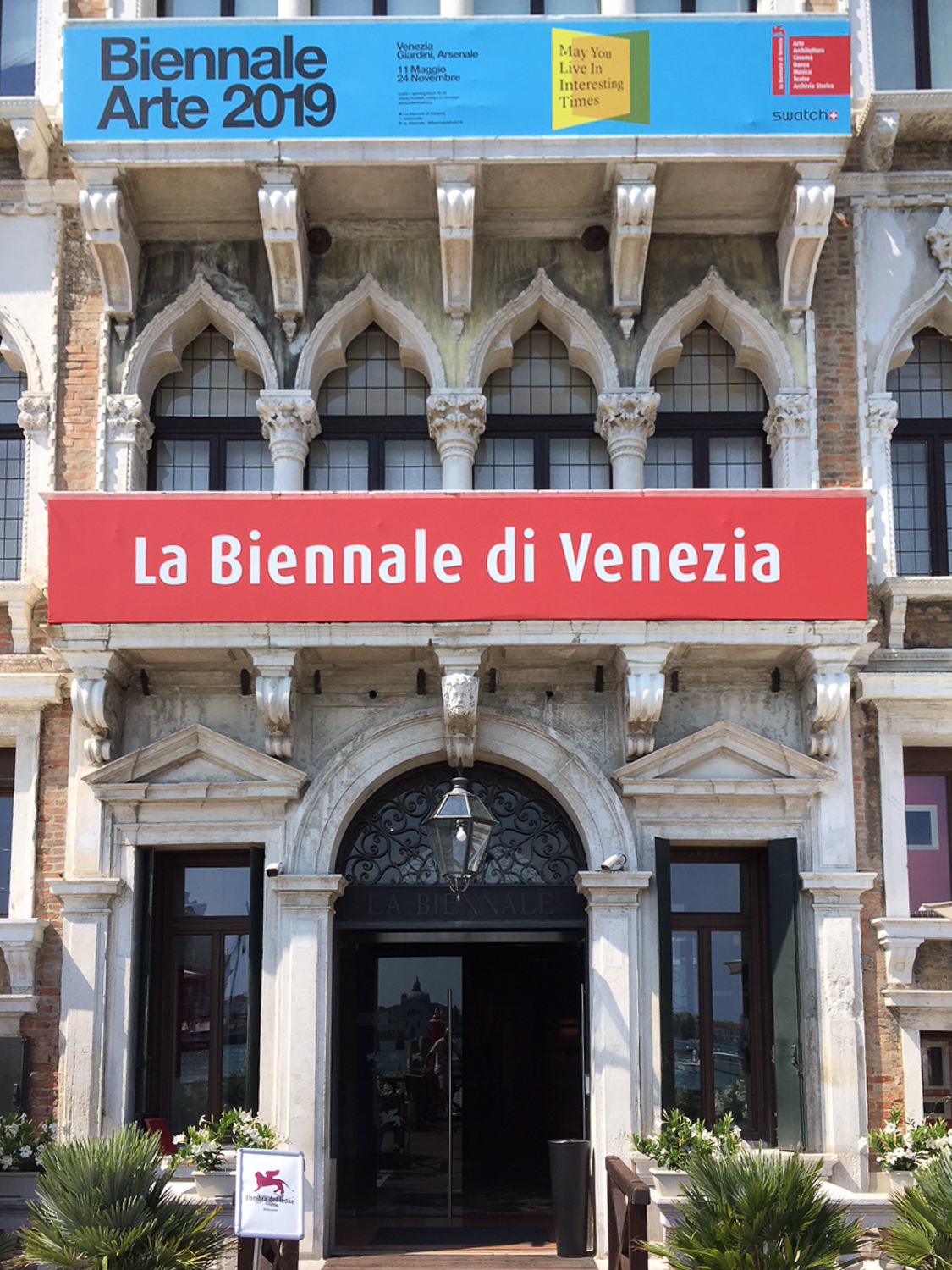
Venice Biennale Admits Russia: How Art Galleries Become Sanctions Escape Routes
May 23, 2026 · Frisian News
The Venice Biennale's decision to readmit Russia after excluding it for the Ukraine invasion raises questions about which institutions enforce Western sanctions and which quietly undermine them.
Russian artists and curators walked back into the Venice Biennale's halls this spring, their readmission marking a small but telling crack in the Western cultural embargo that began in 2022. The Biennale's leadership claims political neutrality and artistic freedom justify the move. What they avoid mentioning is that art institutions operate in a gray zone where international sanctions carry little teeth, where a government's reach weakens, and where cultural gatekeepers answer to no one but themselves.
Why does this matter for ordinary people? Because it shows how selective enforcement of sanctions actually works. Banks cannot send money to sanctioned Russian entities without facing American fines. Shipping companies lose insurance if they touch Russian cargo. But museums, galleries, and auction houses? They face no legal penalty for welcoming Russian money or Russian artists. Christie's and Sotheby's have found ways to keep dealing in Russian art. The Biennale simply decided it could too. The real question is whether they were pressured from above or simply filling a market gap that nobody forced them to fill.
The Venice decision also exposes a larger game in European politics. Italy's government, which has drifted toward pragmatism on Russia, likely did not object. France's cultural minister has made friendlier noises toward Russian artists. Germany wants to keep its manufacturing base intact and cannot afford a prolonged freeze with Moscow. When governments allow their stance on sanctions to soften, cultural institutions follow. They always do. The Biennale simply moved first and made it official.
What makes this interesting is not the hypocrisy but the honesty it reveals. Western nations say they support Ukraine and enforce strict sanctions. What they actually support is keeping options open. Art and culture become the testing ground, the way back in without formally backing down. If Russian art sells in Venice this year without incident, expect Russian oligarchs to feel bolder about moving money through Europe again next year. Institutions that claim to lead on values have instead chosen to be accommodating.
The real story is not about art at all. It is about which rules matter and which ones do not. When facing a choice between principle and profit, between solidarity with Ukraine and access to Russian money, Europe picked money. The Venice Biennale simply said it out loud.

Published May 23, 2026 · Frisian News