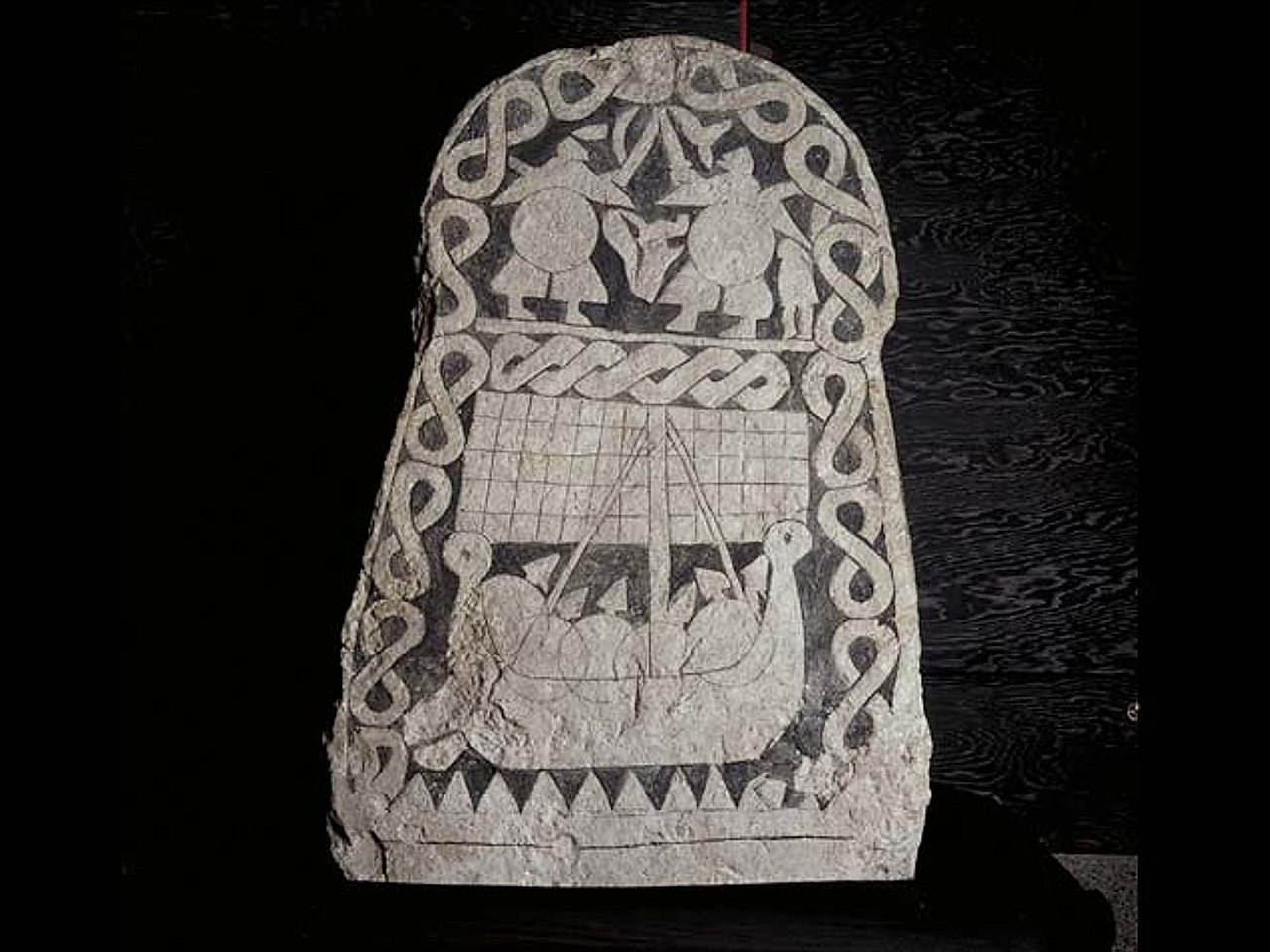
The Viking Age Was More Commercial Than Violent
June 14, 2026 · Frisian News
Archaeological evidence shows the Norse built medieval Europe's most extensive trade networks between 800 and 1050 CE, not primarily through warfare. The raids that made it into history were exceptions, not the norm.
Viking merchant ships excavated across Scandinavia have held more silver coins than weapons. Historians long painted the Norse as raiders obsessed with plunder, but the evidence tells a different story: between 800 and 1050 CE, the Vikings built one of medieval Europe's most extensive trade networks, moving silk, amber, spices, and wine across thousands of miles. The raid on Lindisfarne in 793 gets the movie treatment. The trade routes to Baghdad do not.
The "Viking as warrior" myth originates with the victims who wrote the histories. Christian monasteries across England and France recorded raids against them with apocalyptic language, but they were literate and had pens. The farmers, merchants, and craftspeople who traded peacefully with Norse settlers left no written record. One trader's routine business trip left no drama for the chronicle writer. A raid's theatrical destruction made excellent propaganda for bishops seeking church funds and royal protection.
Archaeological evidence flips the narrative. The Gotland silver hoards, among the largest collections of coins found anywhere in medieval Europe, contained tens of thousands of coins from the Viking world. Traders moved most of it through commerce, not plunder. Eastern European furs, Byzantine silks, Arab dirhams, and North European amber flowed through a network of trading posts from Dublin to the Dnieper to Constantinople. The Vikings did not stumble onto these routes. They built them deliberately, settled towns, and established exchange houses. Dublin became a major port under Viking merchants. Novgorod grew rich as a Varangian trading center. These were business ventures, not military campaigns.
Yes, the Norse raided. Warfare was part of their economy, but so was agriculture, shipbuilding, and law. The raids people know about succeeded because they were exceptions that stood out, not the norm. A Viking warrior made better wages as a hired soldier or merchant guard than as a one-off raider. The long-term money lay in establishing markets, recruiting craftspeople, and collecting tariffs. The sword brought you to the table. Commerce kept you there. This is not a portrait of bloodthirsty barbarians. It is a portrait of practical, ruthless businessmen who understood that stable trade beats chaos.
The Viking Age was not about glory. It was about profit. We have gotten the story wrong for a thousand years because the people who wrote it down were the ones getting raided. The Norse knew better. They left the history in silver hoards and place names and the DNA of traders scattered across a continent. That story gets less attention than Lindisfarne because it asks a harder question: what if conquest is just commerce with swords.

Published June 14, 2026 · Frisian News