Breaking
EU Commission issues new nitrogen compliance ultimatumFrisian farmers vow to resist Brussels directiveNew fierljeppen record set in WinsumWetterskip Fryslân warns of coastal flooding riskLeeuwarden named top cycling city in the NetherlandsEU Commission issues new nitrogen compliance ultimatumFrisian farmers vow to resist Brussels directiveNew fierljeppen record set in WinsumWetterskip Fryslân warns of coastal flooding riskLeeuwarden named top cycling city in the Netherlands
Tuesday, 20 May 2026  ·  Ljouwert, FryslânEst. 2026

FRISIAN NEWS

Nijs fan de Wrâld  ·  World News  ·  Frisian Perspective

How the Green Parties Lost the Plot
Politics

How the Green Parties Lost the Plot

April 21, 2026 · Frisian News

European green parties, once focused on environmental protection, now chase culture war battles and embrace policies that harm working people. Their turn toward urban elite politics has left them irrelevant in the communities that need real change.

English

In 2015, the German Greens still talked about energy costs and who would pay for the transition away from coal. Today their spokespeople spend more time arguing about gender pronouns and whether your grandfather deserves moral judgment for driving a Volkswagen. The shift marks a real break with what built green parties in the first place: practical concern for water, air, soil, and the future of ordinary people.

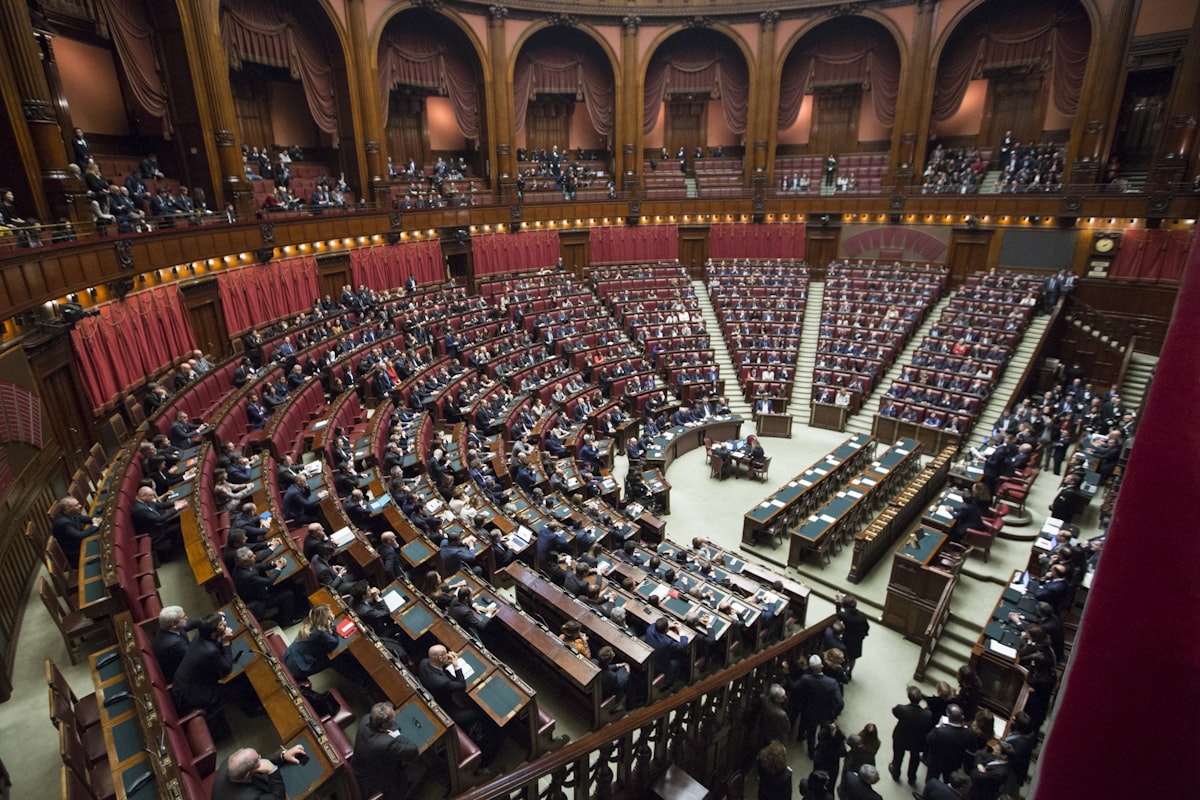
The problem started when green parties moved into comfortable seats in wealthy cities. Once they held power in Berlin, Amsterdam, and Brussels, they stopped representing factory workers, farmers, and families living paycheck to paycheck. Instead they began drafting policies shaped by university professors, media consultants, and people who had never fixed a car or grown food. These new leaders treated environmentalism less as a tool to help ordinary people and more as a moral framework to judge them.

Look at what happened across Europe. Green-led governments pushed carbon taxes that hit working families hardest while exempting the wealthy. They backed farm policies that benefited agribusiness over small farmers fighting to survive. They championed energy grids that left rural areas in the cold, quite literally. Meanwhile, they spent political capital on issues that mattered mostly to their new urban base: climate guilt, cultural identity, and proving moral purity through ever-stricter demands on ordinary people.

The numbers tell the story. Green parties that once attracted protest votes from workers and young people now draw support almost entirely from educated urban voters. In France, Germany, and the Netherlands, green support has collapsed in provincial towns and working-class neighborhoods. People there saw green parties as hostile to their way of life: their cars, their heating bills, their right to own land and run small farms without permission from bureaucrats who lived three hours away.

What happened to green politics was predictable. When a movement becomes an institution, it hires staff, rents offices, and attracts careerists. Those careerists then reshape the movement to match the values of whoever pays the bills and controls the institutions. In this case, that meant abandoning environmental realism for cultural signaling. The Greens lost the people who actually depend on nature for their livelihood. They kept only the urban professionals who could afford to care about symbolism instead of survival.
✦ Frysk

Yn 2015 spraken de Dútske Griene noch oer enerzjykosten en wa't de oergong wei fan koal betelle soe. Hjoed-de-dei besteedse harren spraakstânders mear tiid oan argumintaasje oer genderpronominale foarmen en oft jo grosserder morele ferdamming fertsjint foar it rijden fan in Volkswagen. De ferskowing markearet in echte brek mei wat griene partijen oan 'e begjinne opbouwd hawwe: praktyske soarch om wetter, loft, bosk en de takomst fan gewoane minsken.

It probleem begon doe't griene partijen har yn komfortabele seaten yn welsteande stêden setkje. Sa't se macht hiene yn Berlyn, Amsterdam en Brussel, stopten se mei it fertsjinjen fan fabryksarbiders, boeren en famyljes dy't fan hân oant tân libje. Ynstee begonnen se belied op te meitsjen foarme troch universiteitsprofesoaren, mediarádzjimmers en minsken dy't nea in auto ferreparearre of fiedsel fêstwûn hân. Dizze nije lieders behannelen milijebeskermje minder as ark om gewoane minsken te helpen en mear as moralsk kader om har te beoardieljen.

Sjoch wat him yn hiel Europa ôfspeele hat. Troch Grienen lieide regearringen dreaun koalstofbelestingen troch dy't wurkjende famyljes it hardst troffen wylst se de rike frijnam. Se stunen landbouwbelied dat grutte landbouwbedriuwen begunstigje boppe lytse boeren dy't foar har bestean strode. Se kammioen fan enerzjynetwerken makke dy't plattelânsgibieden yn 'e kâld leauden lâte, letterlik. Ûntusken bestege se politike macht op ûnderwerpen dy't foaral foar harren nije stadsbasis fan betsjutting wiene: klimaatskuldgevoel, kulturele identiteit en it bewizen fan morale reinheid troch hieltyd strictere eisken oan gewoane minsken.

De sifers fertelle it ferhaal. Griene partijen dy't earst proteststemmen fan arbiders en jonge minsken oanekke diene jine no steun bûten allinnich fan goed oplarre stadsminsken. Yn Frankryk, Dútslân en de Nederlannen is groandersteuning yn-inoar sturt yn provinsjale stêden en arbiderskertieren. Minsken dêr seagen griene partijen as fjan fan harren libbensstyl: harren auto's, harren wermingsrekkenings, harren rjocht om lân te besitse en lytse boargearbonnes sûnder tastumming fan byrokraten dy't trije oeren fierôf libje út te bewarkin.

Wat der mei groene polityk bard is wie foarspelbêr. As in beweging in ynstelling wurdt, hiert se personiel yn, huurt se kantoaren en lûkt se karriêristen oan. Dizze karriêristen formje dan de beweging wer sadat se oanslute bij de weardes fan wa't de rekkenings betelt en de ynstellingen kontrolleret. Yn dit gefal beteakene dit it ferlitten fan milijurealisma foar kultureel signaleren. De Griene ferlurren de minsken dy't echt ôfhinklik binne fan de natuer foar harren bestean. Se behilden allinnich de stadsamtners dy't symboolisme ynstee fan oerlibing betelle koenen.


Published April 21, 2026 · Frisian News · Ljouwert, Fryslân