
Breaking
EU Commission issues new nitrogen compliance ultimatumFrisian farmers vow to resist Brussels directiveNew fierljeppen record set in WinsumWetterskip Fryslân warns of coastal flooding riskLeeuwarden named top cycling city in the NetherlandsEU Commission issues new nitrogen compliance ultimatumFrisian farmers vow to resist Brussels directiveNew fierljeppen record set in WinsumWetterskip Fryslân warns of coastal flooding riskLeeuwarden named top cycling city in the Netherlands
Tuesday, 20 May 2026  ·  Ljouwert, FryslânEst. 2026

FRISIAN NEWS

Nijs fan Fryslân  ·  Friesland News  ·  In English

Hindeloopen Hand-Painting: The Folk Art Tradition That Survived Industrialization
Culture

Hylpepaolerij: In Folkstraditie fan Hindeloopen dy't de Yndustrialisaasje Oerlibbe

August 25, 2026 · Frisian News

A hand-painted folk art tradition flourishes in Hindeloopen, a small Frisian port. Hylpepaolerij nearly disappeared during industrialization but has been revived and now carries UNESCO recognition.

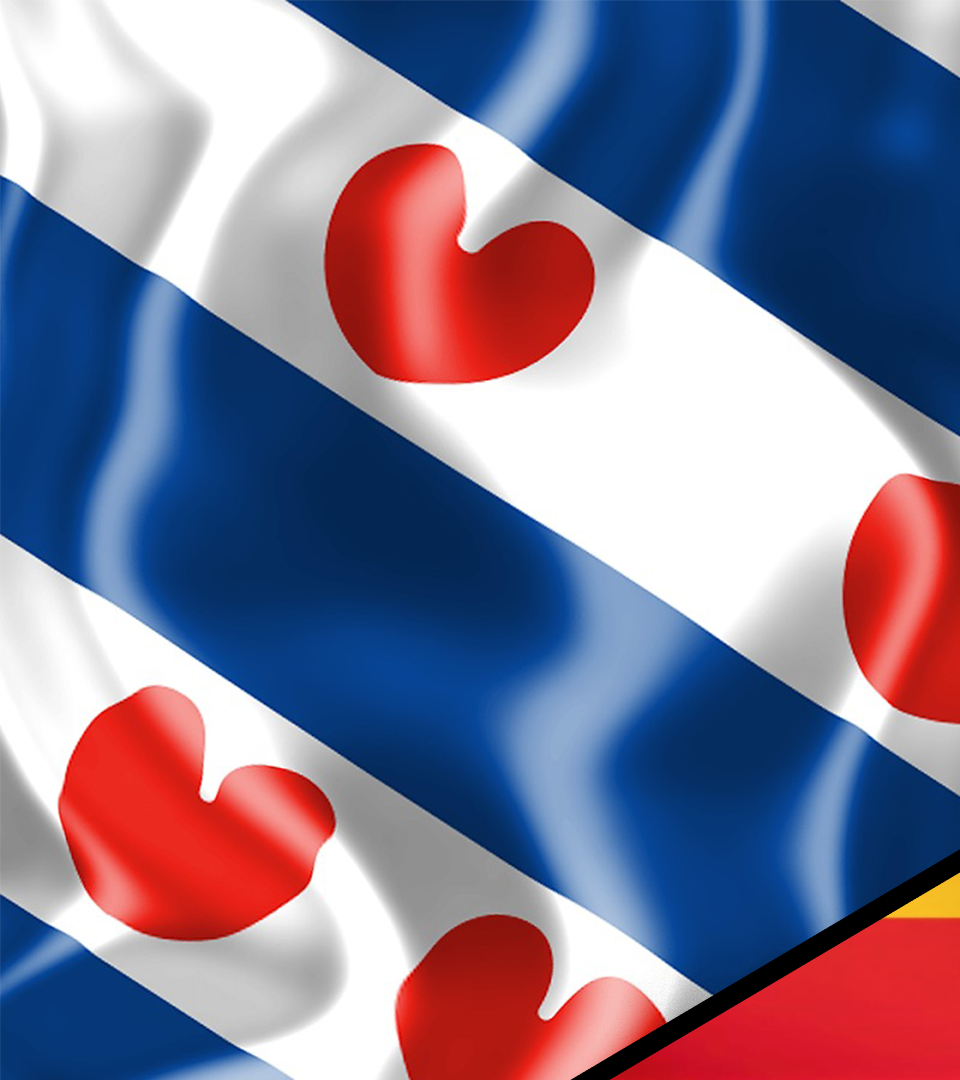
Frisian flagFrysk

Yn de lytse haven Hindeloopen oan it IJsselmeer sit in skilder oan in houtene tafel mei penseel en kleurenpalet yn sêfte tinten. It wurk foar harren kin in bord wêze, in stoelpoat of in kastdoar. Wat telt is it krullende patroan dat foarm oannimmt: blommen yn blau en read, blêden yn grien, lytse fûgeltsjes tusken de stingels. Dit is Hylpepaolerij, de hânbeskilere folkskunde fan Hindeloopen, en it hat fjouwer ieuwen en de folsleine krêft fan de yndustrialisaasje oerlibbe.

De tradysje ûntstie yn de 17de ieu doe't Hindeloopen in bloeiende haven wie. Skippen kearden werom út de East-Yndyje mei keramyk en linenwurk út Sina en Japan. De ynwenners seagen dizze ûntwerpen en begûnen se nei te dwaan op it ienfâldige houtewurk dat harren huzen folle. Binnen inkele generaasjes hienen se eat hiel eigens skepen, in styl dy't Aziatyske blommen en fûgels mei Europeeske folksmotieven mingde. Tsjin de 18de ieu wie Hylpepaolerij in handelsgoed wurden, en beskilder meubel reizge yn skippen nei keapers yn hiel de Lege Lannen.

It wurk is stadich en neikeurich. In ambachtsman leit earst in ljochte fervelaach oan en sketst dêrnei it patroan yn potlead. De blommen komme earst, frijhân yn reade, blauwe en giele kleuren op it hout set, folge troch griene stingels en blêden en fine details. It kleurenpalet is altyd sêft, de hân nea hastich, en gjin twa stikken binne identyk. In betûfte skilder kin wiken oan ien stoel of lytse tafel wurkje.

Lykas alle hânambachten ferdwûn Hylpepaolerij hast yn it yndustriële tiidrek. Yn it midden fan de 20ste ieu wienen mar inkele âlde skilders yn Hindeloopen oer, en harren learlingen wienen nei fabriken en stêdslibben fertrokken. De tradysje like ta it ferline te hearren. Mar yn de jierren tachtich barde der wat. Besikers en histoarisy begûnen fragen te stellen, âlde stikken te fotografearjen en de oerbleaune skilders op te sykjen. Inkele jonge minsken besletten dat it ambacht it learen wurdich wie, en de wurkplakken gongen wer iepen.

Groeiende erkenning fan it kulturele belang fan de tradysje hat holpen. Ferskate ambachtslju wurkje no foltiids yn Hindeloopen, en jongeren leare it ambacht. It pleatslike museum fertelt it folsleine ferhaal fan de tradysje. De stikken binne no djoer, net mear it betelber húshâldguod fan eartiids, mar dat bringt harren oarspronklike betsjutting werom.

Kuierje troch de smelle strjitsjes fan Hindeloopen en do sjochst noch altyd de doarren en lûken mei skilderij fan de âlde huzen, sjochst noch altyd de ûntwerpen dy't ieuwen lang oan dizze plak heard hawwe. De hânskilders fan hjoed bliuwe trou oan dy skiednis. Harren wurk is stadich en neikeurich, krekt as de plak sels.

English

In the small port of Hindeloopen on the IJsselmeer, a painter sits at a wooden table with a brush and a palette of soft colors. The piece in front of them might be a plate, a chair leg, or a cabinet door. What matters is the curving pattern taking shape: flowers in blue and red, leaves in green, small birds between the stems. This is Hylpepaolerij, the hand-painted folk art of Hindeloopen, and it has survived four centuries and the full force of industrial manufacturing.

The tradition was born in the 17th century when Hindeloopen was a thriving port. Ships returned from the East Indies with ceramics and lacquerware from China and Japan. The townspeople saw these designs and began to copy them onto the simple wooden furniture that filled their homes. Within a few generations, they had created something entirely their own, a style that mixed Asian flowers and birds with European folk patterns. By the 1700s, Hylpepaolerij had become a trade good, and painted furniture traveled in ships to buyers across the low countries.

The work is slow and exact. An artisan lays down a light base of paint, then sketches the pattern in pencil. The flowers come first, painted freehand in reds, blues, and yellows, followed by green stems and leaves and fine details. The palette is always soft, the hand never hurried, and no two pieces are identical. A skilled painter might spend a week or more on a single chair or small table.

Like all hand crafts, Hylpepaolerij nearly died in the industrial age. By the middle of the 20th century, only a few old painters remained in Hindeloopen, and their apprentices had moved away to factory jobs and city life. The tradition seemed to belong to history. Then, in the 1980s, something shifted. Visitors and historians began to ask questions, to photograph the old pieces, to seek out the remaining painters. A few young people decided the work was worth learning, and the workshops reopened.

Growing recognition of the tradition's cultural importance has helped. Several artisans now work full-time in Hindeloopen, and young people are learning the craft. The local museum tells the full story of the tradition. The pieces are expensive now, not the affordable household goods they once were, but that has given them back their original meaning: objects made to be treasured, to be passed down, to be lived with for years.

Walk through Hindeloopen's narrow streets and you still see the painted doors and shutters of the old houses, still see the designs that have belonged to this place for centuries. The hand-painters working today keep faith with that history. Their work is slow and exact, like the place itself.

Published August 25, 2026 · Frisian News · Ljouwert, Fryslân