Breaking
EU Commission issues new nitrogen compliance ultimatumFrisian farmers vow to resist Brussels directiveNew fierljeppen record set in WinsumWetterskip Fryslân warns of coastal flooding riskLeeuwarden named top cycling city in the NetherlandsEU Commission issues new nitrogen compliance ultimatumFrisian farmers vow to resist Brussels directiveNew fierljeppen record set in WinsumWetterskip Fryslân warns of coastal flooding riskLeeuwarden named top cycling city in the Netherlands
Tuesday, 20 May 2026  ·  Ljouwert, FryslânEst. 2026

FRISIAN NEWS

Nijs fan de Wrâld  ·  World News  ·  Frisian Perspective

Germany's Industrial Decline and What It Means for Europe
Economy

Germany's Industrial Decline and What It Means for Europe

May 16, 2026 · Frisian News

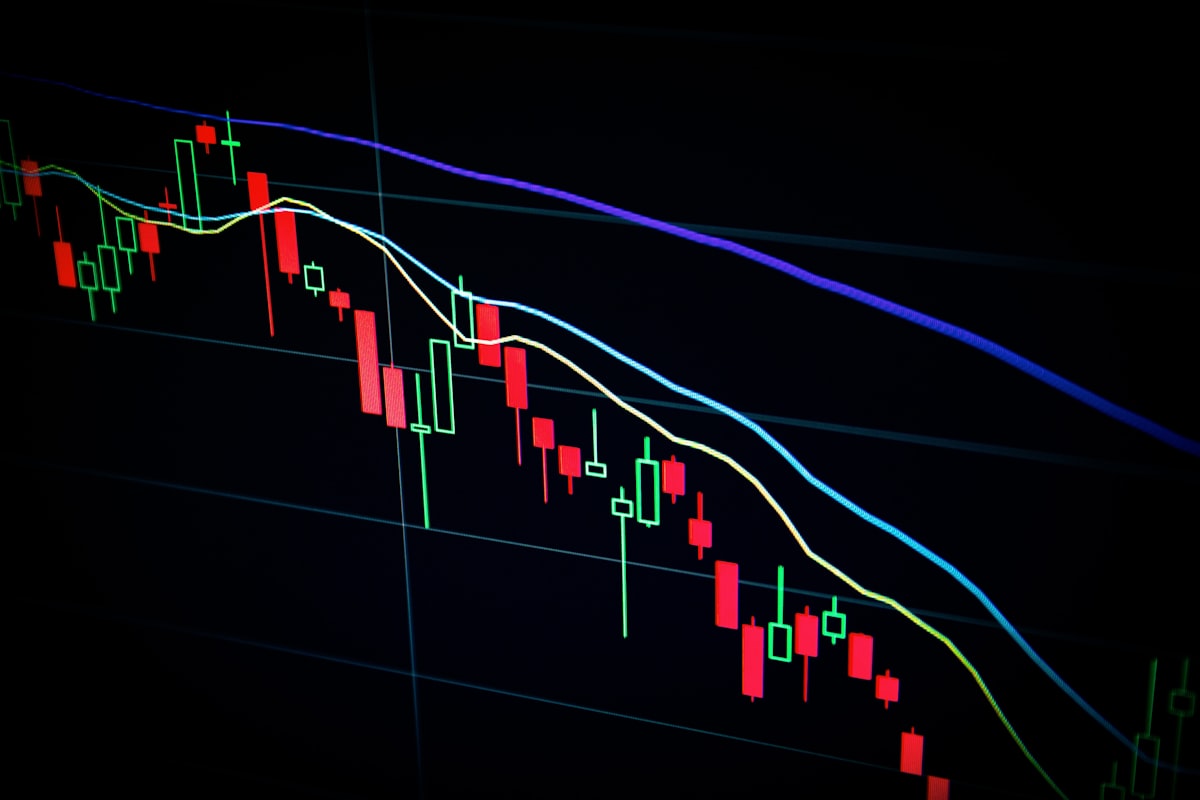
German factory output has fallen sharply in recent months, signaling weakness in Europe's largest economy and raising questions about the continent's competitive position. The decline reflects energy costs, regulatory burdens, and shifting global supply chains that Berlin has failed to address.

English

A German manufacturing index dropped to its lowest point in three years last month, with factories cutting orders and laying off workers across the metals, chemicals, and automotive sectors. Siemens announced a freeze on new hiring, and Volkswagen warned of coming plant closures in western Germany. The slump tracks a broader European pattern, but Germany falls hardest because so much of its wealth depends on export-driven heavy industry.

Energy costs remain the central drag. German electricity prices run two to three times higher than in the United States, a gap that did not exist a decade ago. Natural gas prices fell from their 2022 peaks but still tower above levels in competing nations. Berlin's green transition has hiked bills without building enough renewable or nuclear capacity to replace coal and gas reliably. Meanwhile, factories cannot move or shut down fast enough to seek cheaper power elsewhere.

Regulatory strangulation compounds the energy problem. New EU labor laws, carbon border tariffs, and data protection rules add cost and complexity to production. German firms face stricter hiring and firing rules than competitors in Poland or Hungary, yet Berlin refuses to simplify its own labor code. The bureaucracy is local, but the economic damage spreads across the whole continent, since German demand powers supply chains from Slovakia to Sweden.

China and the United States have pulled investment away from Europe by offering tax breaks, looser rules, and cheaper power. American reshoring policies under recent administrations have drained talent and capital from German engineering firms. Beijing has built factories in Southeast Asia that undercut German producers on price and speed. German leaders blame external shocks, but their own choices on energy, regulation, and fiscal policy made Europe uncompetitive.

If Germany stays weak, the entire European economic model strains. Smaller nations like the Netherlands, Poland, and Austria depend on German demand and technology partnerships. Brussels is unlikely to cut red tape or lower energy costs soon, since greens and left-wing parties block such moves. Germany must act alone, or it will drag the continent toward stagnation.

✦ Frysk

In Dútske produksymeater sikte forige moanne nei it leechste nivo yn trije jier, mei fabryken dy't bestellingen ôfnamen en wurknemers ûntsloch yn de metaal-, chemie- en autosektor. Siemens makke bekend in stopset oan nije oanstellingen, en Volkswagen warskôge foar kommende fabrykssluitingen yn Westdutsland. De terugfal folget in breder Europeesk patroan, mar Dútslân raakt it swaerest om't in soad fan syn welstân ôfhinklik is fan eksport-driven swiere yndustry.

Enerzjykosten bliuwe it sintrale probleem. Dútsk elektrisiteit kostet twa oant trije kear mear as yn de Feriene Staten, in ferskil dat tsien jier lyn net bestie. Aardgaspryzen sieten út fan har 2022-toppen mar stean noch altyd boppe nivo's yn konkurrearjende lannen. Berlijn syn griene oergong hat faktoeren ferhege sûnder genôch herternibere of kernenergy te bouwen om koal en gas betroubier te ferfangen. Fabryken kinne yntusken net gau genôch ferpleatse of tichtsette om earne oars goedkeaper macht te sykjen.

Regulatoriske stikking ferslechteret it enerzjyprobleem. Nije EU-arbeidsregels, koolstofgrensstarifyen en gegevensbeskermingrules voegje kosten en kompleksiteit oan produksje ta. Dútske bedriuwen hawwe strengere aan- en ûntslachrules as konkurrenten yn Polen of Hongarje, mar Berlijn weigerret syn eigen arbeidskoade te ferienfâldigje. De byrokrasje is lokal, mar de ekonomyske skea ferspriedt sich oer it hiele kontinent, om't Dútske fraach toaleveringsketens fan Slowakije oant Zweden driuwt.

Chinese en de Feriene Staten hawwe ynvestearrings út Jeropa ôfliede troch belestingfourdelen, soalere regels en goedkeaper macht oan te bieden. Amerikaansk reshoring-belied ûnder resinte regerrings hat talent en kapitaal út Dútske engineeringbedriuwen ôfliede. Beijing hat fabryken yn Suudeast-Azje boud dy't Dútske produsearders op priis en snelheid ûnderkutterje. Dútske lieders jouwje eksterne skokken de skuld, mar har eigen karren oer enerzhy, regeljouwing en begrutsbeleaid makken Jeropa onkonkurrearjend.

As Dútslân swak bliuwt, set de heile Europeeske ekonomyske struktuer ûnder spanning. Lytsere naasjes as Nederlân, Polen en Oost-Osterijke hingje ôf fan Dútske fraach en technologypartnerskips. Brussel sil roade lint wierskynlik net snoeie of enerzjykosten ferleegje betûft, om't grieken en lofts partijen sadanige stappen blokkerje. Dútslân moat sels tsjinnet, oars sleept it it kontinent nei stagnasje.


Published May 16, 2026 · Frisian News · Ljouwert, Fryslân