Breaking
EU Commission issues new nitrogen compliance ultimatumFrisian farmers vow to resist Brussels directiveNew fierljeppen record set in WinsumWetterskip Fryslân warns of coastal flooding riskLeeuwarden named top cycling city in the NetherlandsEU Commission issues new nitrogen compliance ultimatumFrisian farmers vow to resist Brussels directiveNew fierljeppen record set in WinsumWetterskip Fryslân warns of coastal flooding riskLeeuwarden named top cycling city in the Netherlands
Tuesday, 20 May 2026  ·  Ljouwert, FryslânEst. 2026

FRISIAN NEWS

Nijs fan de Wrâld  ·  World News  ·  Frisian Perspective

Why Populism Is Rising and Not Retreating in Europe
Politics

Why Populism Is Rising and Not Retreating in Europe

April 27, 2026 · Frisian News

Populist parties across Europe have grown stronger over the past five years, defying predictions that the movement would fade. Voters reject elite consensus on migration, spending, and sovereignty, and mainstream parties struggle to offer real alternatives.

English

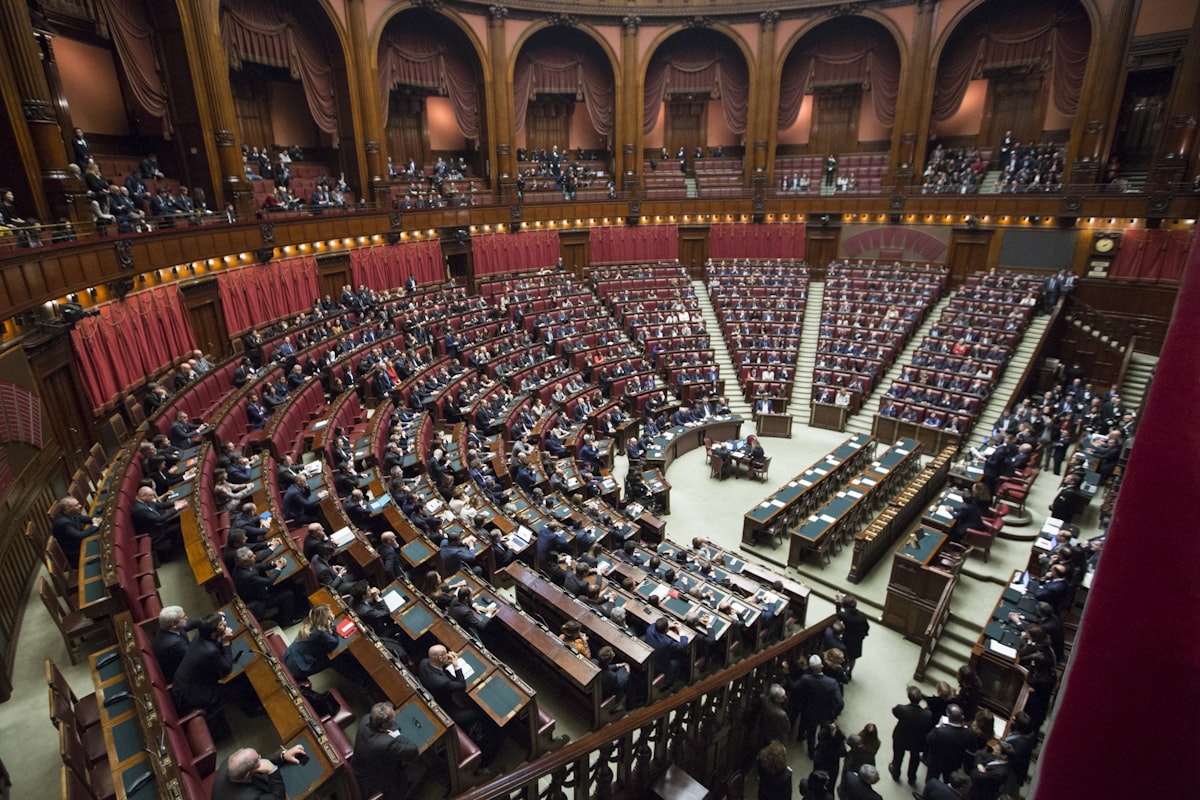
In Hungary, Poland, and the Netherlands, parties branded populist win elections and reshape policy. Italy's government runs on promises to cut Brussels spending and restore borders. France sees Le Pen's movement gain ground every cycle. This is not a fringe phenomenon fading into history. Populism rose because ordinary people stopped trusting the institutions that claim to represent them.

Elite forecasters got the diagnosis wrong. They treated populism as a fever that breaks and passes. Instead, it reflects real frustrations: wage stagnation for workers, uncontrolled migration that strains public services, and distant bureaucrats making rules that harm local communities. When mainstream parties ignored these grievances for decades, voters found alternatives. The populist surge is a rational response to failed governance, not mass delusion.

The Brussels apparatus and national center-left parties offer no credible reply. They double down on the same policies, call critics xenophobes, and hope the problem dissolves. It does not. Voters see their concerns dismissed as bigotry and vote accordingly. Mainstream parties mistake losing elections for the public developing bad judgment. They have not asked whether the rules they defend actually serve ordinary people.

Migration remains the flashpoint. Populists speak plainly: nations should control who enters their borders. Establishment voices respond with abstract talk of diversity and economic efficiency. But a factory town losing population while newcomers arrive on state orders understands neither diversity nor GDP growth. Populists win because they name what voters see and experience.

The trend will not reverse. Institutions must either respond to real concerns or watch their legitimacy erode further. Populism is not a storm to wait out. It is a political reckoning, and elites ignoring it guarantees it grows stronger.
✦ Frysk

Yn Hongarije, Polen en Nederlân winne partijen markearre as populistysk keizingen en herfoarmje belied. Itaalje regeart op beloften Brussel útjeften te snijen en grinzen wer te stellen. Frankryk sjocht Le Pens beweging elke syklus groeie. Dit is gjin rânferskynsel dat yn skiednis ferdwynt. Populisme stie op omdat gewoane minsken ophielden de ynstellingen te fertroawen dy't pretindearre harren te fertsjintwurdigjen.

Elite foarsjitters hienen it probleem ferkeard. Se behannelen populisme as koarts dy't brek en ferdwynt. It wjerspegelt lykwols echte frustraasje: loannstagnasje foar wirkers, unkontroleare migraasje dy't iepenbiere tsjinsten belast, en fiere byrokeraten dy't rigels meitsje dy't lokale mienskippen skaenje. Doe tradisjonele partijen dizze klachten tiantallen jier negearren, funnen kiezers alternatieven. De populistyske golf is in rasjonaal antwurd op falend bestjoer, gjin massale wansin.

De Brussel byrokrasy en tradisjonele sintrumlinse partijen biede gjin betroubere antwurd. Se ferdubbele itselde belied, neame kritikanten bûtenlânerhaters, en hope it probleem lost op. Dat bart net. Kiezers sjogge harren soargen as bigotry ofdien en stimme oerienstemsde. Tradisjonele partijen fergjitte ferlearen keizingen foar iepenbier min oordiel. Se hawwe net frege oft de rigels dy't se ferdedigje gewoane minsken echte tsjinje.

Migraasje bliuwt brânpunt. Populisten sprekke duidlik: nasjes moatte bepale wa harren grinzen ynkomt. Establishment stimmen antwarje mei abstrakt praat oer ferskaat en ekonomyske effisjinsy. Mar in fabryksstêd dy't bevolking fermist wylst nimkommen op steatsoarder oankomt begripe noch ferskaat noch bbp groei. Populisten winne omdat se neame wat kiezers sjogge en ûnderfarre.

De trend draait net om. Ynstellingen moatte harren op echte soargen rjochtsje of harren betrouberhied fierder sjen eroar brokkelen. Populisme is gjin stoarm om út te wachtsjen. It is in politike ôfrjochning, en elitikoer dy't it negearje garandearje dat it sterker wurdt.


Published April 27, 2026 · Frisian News · Ljouwert, Fryslân