6.03%: UK Long-Term Borrowing Costs Hit Highest Level Since 1998
October 2, 2026 · Frisian News
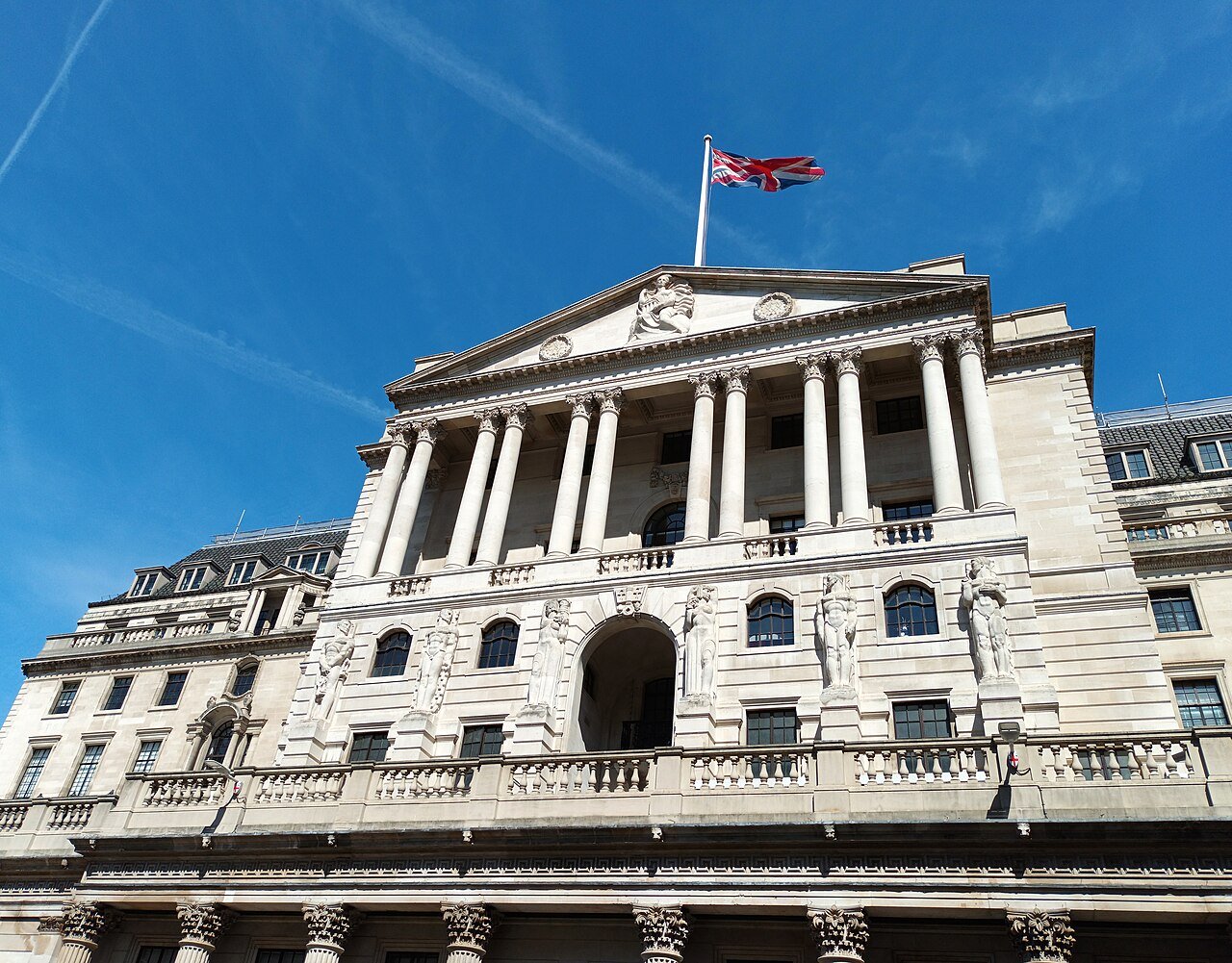
Photo: Wikimedia Commons
The UK 30-year gilt yield reached 6.03% on October 1, 2026, its highest level since early 1998, as national debt approaches £3 trillion and the Burnham government faces a budget test on October 28.
The UK 30-year gilt yield hit 6.03% on October 1, 2026, according to Trading Economics data compiled by theworlddata.com. That is the highest level since early 1998, a record that arrives just ten weeks into Andy Burnham's time as prime minister.
The number matters because it sets the price at which Britain borrows for three decades. National debt stood at £2,985 billion, or 94.1% of GDP, in July 2026, per theworlddata.com. The Treasury already projected £98.5 billion in gross debt-interest spending for 2025-26, according to roic.ai. The Office for Budget Responsibility warned that stabilizing debt at its current share of GDP would require finding roughly £100 billion a year in tax rises or spending cuts, according to theworlddata.com.
Burnham told the House of Commons on September 1 that "fiscal responsibility" would be his government's "bedrock" as it tackled the cost-of-living crisis, the BBC reported. Chancellor John Healey told G20 finance ministers the UK had the fastest growth in the G7 in 2026 so far and was cutting borrowing at the fastest rate of the major economies, also per the BBC.
Markets responded differently. On September 1, 30-year gilt yields already stood at 5.89%, then a 28-year high, the BBC reported. By October 1 they had climbed to 6.03%, up 0.52 percentage points over the preceding year, according to Trading Economics data cited by theworlddata.com. The government plans to sell £252.1 billion of gilts in 2026-27, per roic.ai, while the Bank of England simultaneously reduces its gilt holdings by an average £46 billion per year through 2034.
The costs spread across the economy quickly. The Bank of England noted that two-year fixed mortgage rates are about 95 basis points higher than before the energy conflict began, according to roic.ai. U.S.-listed UK bank shares fell sharply on October 1, erasing roughly $500 billion of market value, per decifertrading.com. Lloyds dropped 4.7%, HSBC fell 4.1%, and Barclays fell 3.6%, all among their worst single-day performances in three years, according to decifertrading.com.
The pressure came from within Burnham's own political orbit. Lord Jim O'Neill, Burnham's former economic adviser, told BBC News that high borrowing costs would force Labour to "get real" about "dealing with the triple lock" on the state pension and "excessive" welfare spending. Conservative leader Kemi Badenoch told the Commons that Burnham's "theory of growth is completely wrong."
The 6% level reverses a multi-decade decline. From roughly 2008 to 2021, the 30-year gilt yield sat well below 4%, often under 2%, during a period of Bank of England quantitative easing and post-crisis low rates, per theworlddata.com. The selloff that began in 2022 has now erased most of that. A London-based rates strategist, speaking anonymously to roic.ai, called the move "a classic case of investors demanding a higher term premium to hold long-dated debt amid mounting inflation and fiscal risks."
The next test is the October 28 budget. "Fiscal credibility is the elephant in the room," a fixed-income portfolio manager at a European asset manager told roic.ai. "If the budget signals higher borrowing without credible consolidation, yields could push even higher." Karen Ward, JP Morgan's chief market strategist for Europe, told the BBC's World at One: "Markets are getting a lot more choice about who they are going to lend to and at what interest rates."
The government can say "fiscal responsibility" as often as it likes. The gilt market is charging 6% regardless.

Published October 2, 2026 · Frisian News