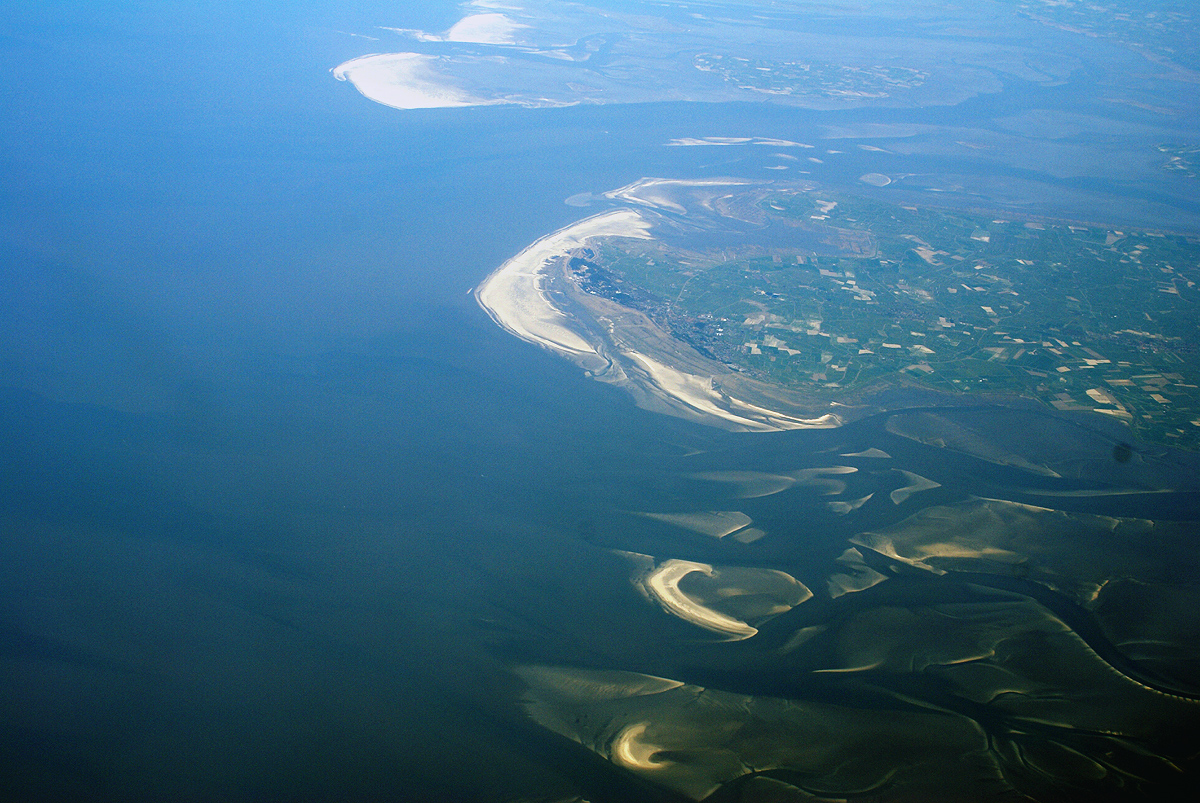
The Wadden Sea Is Under Threat from More Than Fishing
May 18, 2026 · Frisian News
New offshore wind farms, shipping routes, and dredging operations are damaging the Wadden Sea ecosystem faster than regulations allow, while Brussels bureaucrats ignore local warnings.
The Wadden Sea has lost substantial seagrass beds in recent years. Dutch marine biologists blame not poaching cockle dredgers but new wind farms built on the continental shelf in recent years. The turbines alter water flow patterns, increase sediment load, and drive out the small fish that young birds need to eat. Yet Brussels approved these projects under environmental impact rules that biologists now say were inadequate from the start.
Shipping traffic through the northern approaches has grown substantially in recent years. Larger container vessels take straighter routes closer to the islands than traditional channels. They stir up bottom mud that smothers mussel beds for weeks. The Wadden Sea Authority, a weak intergovernmental body based in Germany, asked shipping companies for voluntary lane discipline. Not one company complied. The real money is not in following old paths; it is in saving fuel on the fastest route.
Dredging operations in the Ems and Weser estuaries dump millions of tons of dredged material back into the water each year. Officials call this "beneficial use," but Dutch fishermen and bird watchers report that plumes of suspended sediment now block sunlight from reaching the seabed for extended periods. This kills the algae that feeds everything else. Those issuing these permits face no pressure from any Dutch government body to reduce the volume.
Local ecological knowledge has been overruled by remote planning decisions. Fishermen, lighthouse keepers, and nature reserve managers have sounded alarms in recent years, but their concerns reached Brussels only as anodyne summaries stripped of urgency.
The Wadden Sea will not announce its collapse in one year or even five. It will fade incrementally, losing productivity with each new permit issued, each shipping shortcut approved, each dredging season completed. By the time bureaucrats convene a task force to study the decline, the damage will be nearly irreversible. That is how large systems fail when oversight is distant and accountable to no one who lives beside the water.

Published May 18, 2026 · Frisian News