Organic Dairy Farming in Friesland: Why Small Farms Lead Northern Europe
August 23, 2026 · Frisian News
Small dairy farms across Friesland are adopting organic methods faster than larger operations, built on centuries of pastoral tradition. The region's approach to animal welfare and land stewardship is shaping how Europe produces milk and cheese.
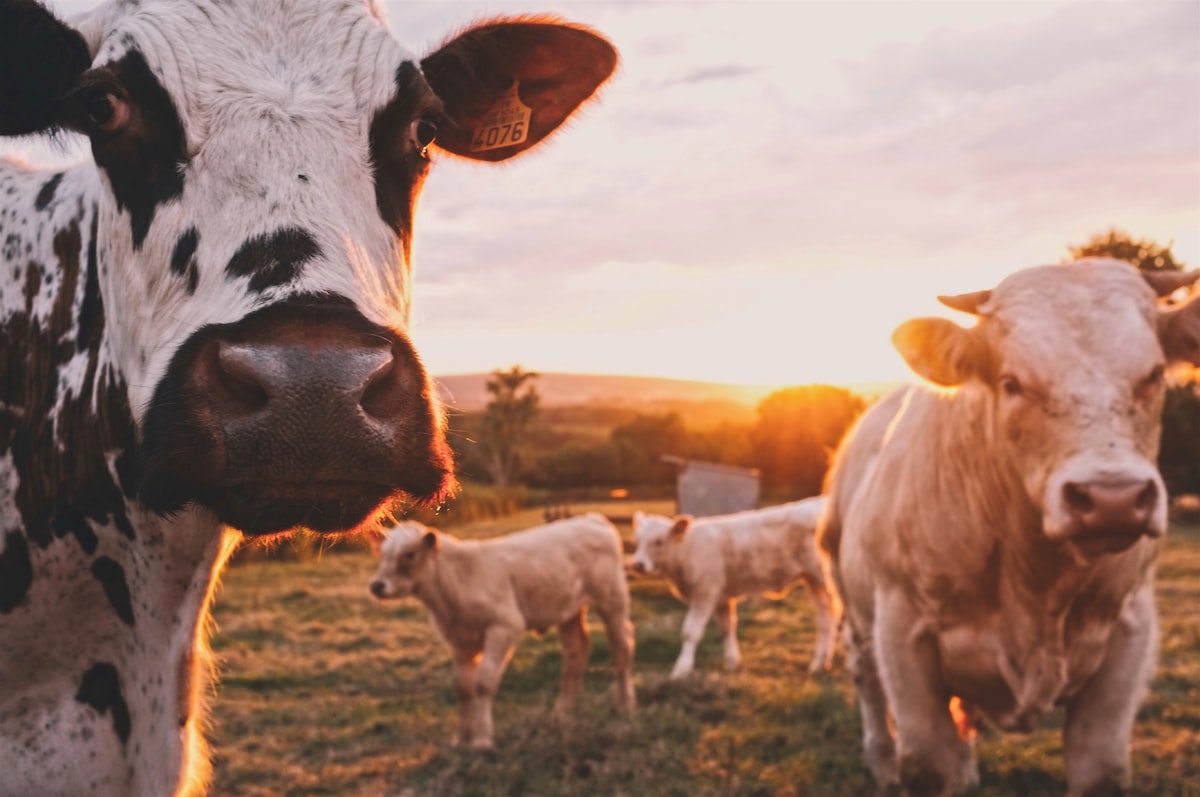
The green fields around Ljouwert (Leeuwarden) change with the seasons, and increasingly more belong to organic dairy farms. Cattle graze on grass pastures and clover instead of imported grain, a practice that echoes Friesland's oldest farming traditions. The landscape looks much as it did a century ago, yet farmers today are making deliberate choices about land stewardship that would have seemed ordinary to their ancestors.
Dairy farming has deep roots in Friesland, stretching back centuries. The black-and-white Frisian cow, bred here for generations, thrives on grass and cool climate. This heritage works in organic farming's favor. Small farms already practice rotational grazing, soil care, and herd management that align with organic principles. For many Frisian farmers, obtaining organic certification simply formalizes methods they already use.
Larger industrial dairies often struggle with the switch to organic because costs rise while margins shrink. Small farms have an advantage here. They can forge direct ties with buyers who appreciate their story and care. A farm of thirty or forty cows can keep herds healthy without routine antibiotics. A three-hundred-cow operation requires different solutions. Size shapes what's possible, and Friesland's farmers understand this well.
Frisian dairy has long held a reputation for quality. Organic certification builds on that foundation. Milk from grass-fed cows tastes distinct, and cheesemakers and butter makers recognize the difference. A Frisian farmer with organic milk from pasture cows can command higher prices. That margin helps the farm endure and grow, while buyers receive a product rooted in the landscape where it was made.
Travel through the Frisian countryside and the fields tell the story. Cattle graze freely, living as they were meant to. These farmers are not turning away from progress or rejecting the industry. They are building on what came before, keeping small farms alive when farming elsewhere consolidates into ever-larger operations. That matters, and the story begins in Friesland.

Published August 23, 2026 · Frisian News