Breaking
EU Commission issues new nitrogen compliance ultimatumFrisian farmers vow to resist Brussels directiveNew fierljeppen record set in WinsumWetterskip Fryslân warns of coastal flooding riskLeeuwarden named top cycling city in the NetherlandsEU Commission issues new nitrogen compliance ultimatumFrisian farmers vow to resist Brussels directiveNew fierljeppen record set in WinsumWetterskip Fryslân warns of coastal flooding riskLeeuwarden named top cycling city in the Netherlands
Tuesday, 20 May 2026  ·  Ljouwert, FryslânEst. 2026

FRISIAN NEWS

Nijs fan Fryslân  ·  Friesland News  ·  In English

The Olympic Dominance Puzzle: Why Friesland Medals Above Its Population
Sport

It Olympysk Riedsel: Wêrom Fryslân Mear Medaljes Hellet as Syn Befolking

August 19, 2026 · Frisian News

With fewer than 750,000 people, Friesland punches well above its weight at the Olympics. A deep culture of speed skating, cycling, and grassroots sport creates a pipeline of world-class athletes from a small northern province.

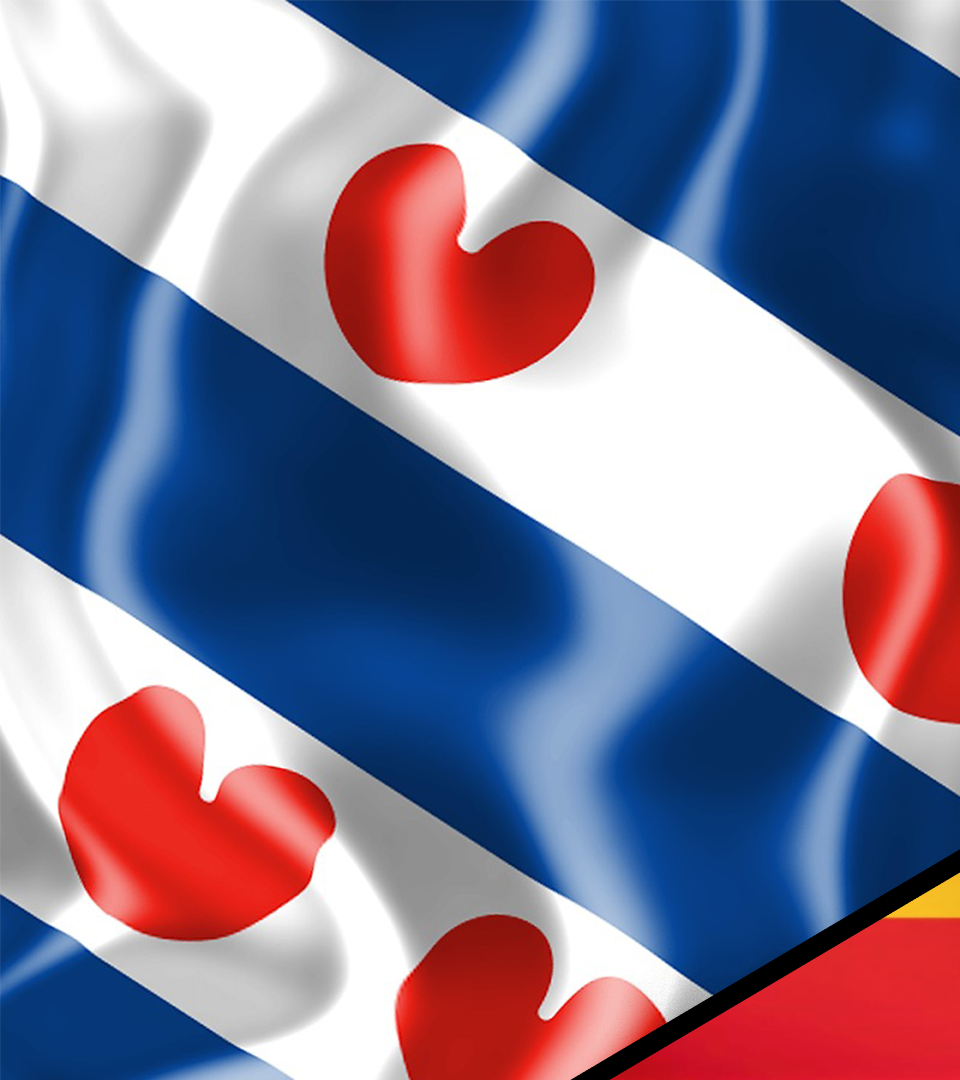
Frisian flagFrysk

Doe't de Winterspelen yn febrewaris einigjen, stie de sporttradysje fan Fryslân opnij yn de belangstelling. Minder as 750.000 minsken wenje yn de noardlike provinsje, dochs hat se fan âlds atleten fuortbrocht dy't útkomme op Olympysk nivo. Reedriders, fytsers en sporters út stêden en doarpen troch de hiele provinsje drage it wyt en blau nei de heechste nivo's fan ynternasjonale kompetysje.

It hert fan dit ferhaal leit op it iis. Reedride is gjin sport yn Fryslân, it is libben. De Alvestêdetocht, de legindaryske race oer alve stêden lâns iiside kanalen en marren, rint al mear as in ieu en hat in hiele kultuer foarme. Bern leare reedride foardat se nei skoalle gean; gesinnen bringe winters troch op iepenloftbanen yn doarpen ferspraat oer de provinsje. Dit is net allinnich training foar topsporters. Dit is hoe't Friezen harren troch harren wrâld bewege, en út dizze basis groeie Olympyske kampioenen op natuerlike wize.

Fytsriden fertelt in ferlykber ferhaal. It Fryske lânskip is flak, de ôfstannen binne koart, de fytsrûtes binne oeral. Fryslân foarsjocht de wrâld fan klassike fytsers net fanwege spesjale finansiering, mar om't fytsen yn it deistich libben ynweven is. In bern fytst nei skoalle, dan nei freonen, dan nei de stêd. As tiener falle de natuerlike talenten op. Se rjochtsje har serieus op harren gaven en berikke faak it wrâldpoadium. De provinsje hat in folslein ekosysteem skepen dêr't hege prestaasjes yn beweging normaal binne.

Mar sifers allinnich ferklearje dit riedsel net. Wat Fryslân hat is dreger te kwantifisearjen: in sportkultuer dy't atletyk behannelet as ûnderdiel fan thús hearre. Jeugdklubs, mienskipsbarren, wintertradysjes en lokale grutskens kombinearje om jonge minsken eat te jaan wat de measte regio's misse. In atleet út Fryslân groeit op wylst er of sy sjocht dat oaren slagje, wit dat harren stêden sport fiere, omjûn troch ynfrastruktuer en ferwachting. Dit is gjin tafal. Dit is kultuer dy't tarieding wurdt.

As Fryske atleten op it Olympysk poadium steane, drage se eat fan harren provinsje mei. Se drage de geast fan dorhâlden fan lytse plakken, it erfskip fan iiside winters en iepen wegen, en de stille kennis dat Fryslân sjocht en leau. In regio fan dy omfang soe net safolle atleten fuortbringe moatte dy't it Olympysk poadium berikke. Dat se dat wol dogge, sprekt fan eat djippers as talent of finansiering. It sprekt fan wa't Friezen binne.

English

When the Milan-Cortina Games ended this February, Friesland's sporting tradition was once again in focus. Fewer than 750,000 people live in the northern province, yet it has long produced athletes who compete at the Olympic level. Speed skaters, cyclists, and athletes from towns across the province carry the white and blue to the highest stages of international competition.

The heart of this story lies on frozen water. Speed skating is not a sport in Friesland, it is life. The elfstedentocht, the legendary 11-cities race across frozen canals and lakes, has run for over a century and shaped an entire culture. Children learn to skate before school; families spend winters on outdoor rinks in villages across the province. This is not training for elite athletes alone. This is how Frisians move through their world, and from this foundation, Olympic champions naturally emerge.

Cycling tells a similar story. The Frisian landscape is flat, the distances short, the bike lanes everywhere. Friesland produces world-class riders not because of special funding but because cycling is woven into daily life. A child rides a bike to school, then to friends, then to town. By teenage years, the natural athletes stand out. They pursue their gift seriously, often reaching the world stage. The province has created an entire ecosystem where excellence in movement is normal.

But numbers alone do not explain the puzzle. What Friesland possesses is something harder to quantify: a sporting culture that treats athletics as part of belonging. Youth clubs, community events, winter traditions, and local pride combine to give young people something most regions lack. An athlete from Friesland grows up watching others succeed, knowing their towns celebrate sport, surrounded by infrastructure and expectation. This is not accident. It is culture becoming preparation.

When Frisian athletes stand on the Olympic podium, they carry something of their province with them. They carry the spirit of small-town determination, the legacy of frozen winters and open roads, and the quiet knowledge that Fryslân watches and believes. A region that size is not supposed to produce so many athletes who reach the Olympic stage. That it does speaks to something deeper than talent or funding. It speaks to who Frisians are.

Published August 19, 2026 · Frisian News · Ljouwert, Fryslân