Zero: Iran Records No Oil Revenue This Week for the First Time in History
October 5, 2026 · Frisian News
Photo: Wikimedia Commons
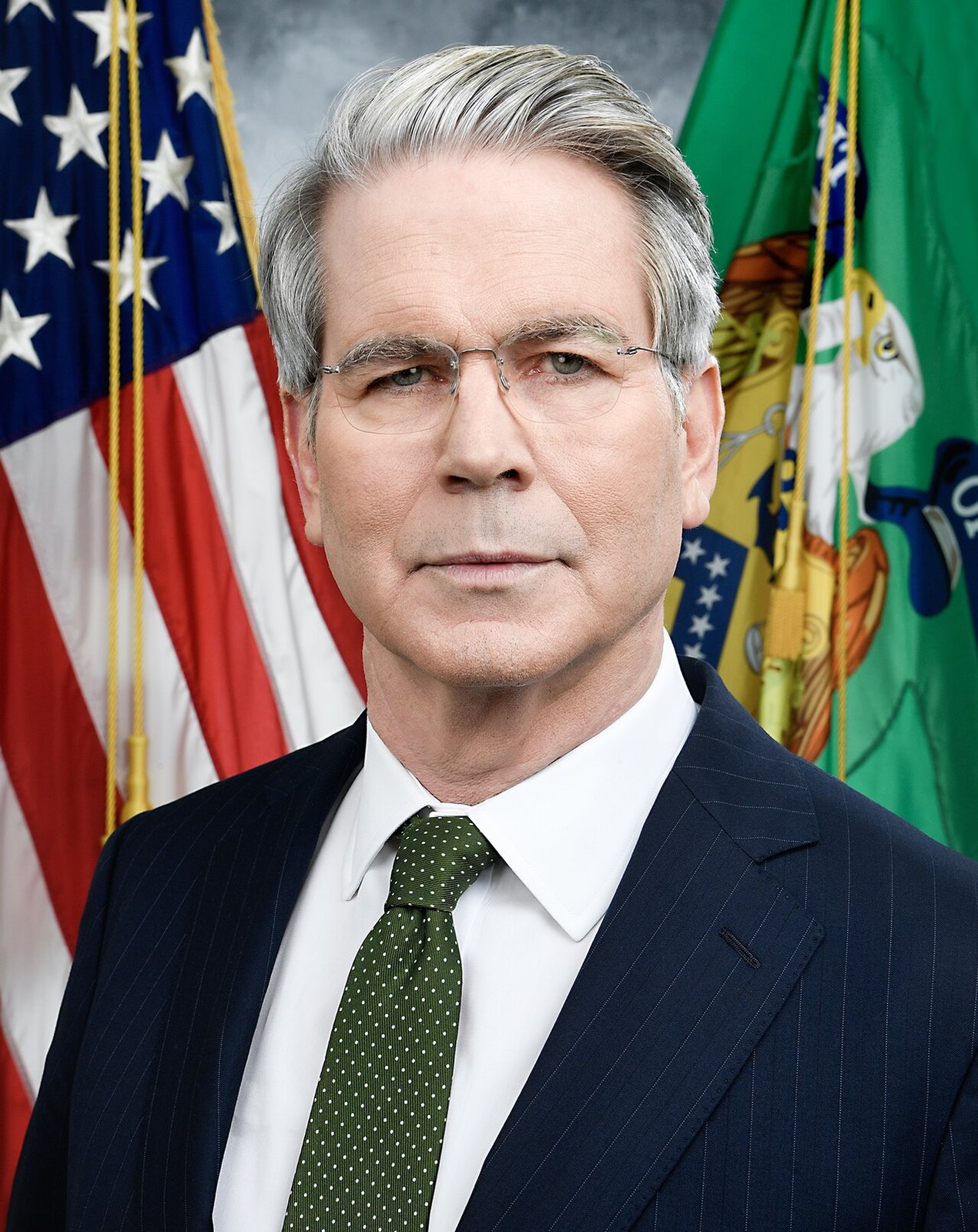
Treasury Secretary Scott Bessent says Iran will have no oil at sea and no export revenue this week, the first time since the country began producing oil. Iran loaded zero crude onto tankers in September, Bessent confirmed on X on Thursday.
Zero. That is how many barrels of Iranian crude oil sit aboard tankers this week, Treasury Secretary Scott Bessent told The Axios Show on Saturday. "For the first time in history, since they started pumping oil, they will have no oil on the water this week," Bessent said. "They will have no revenues."
The figure caps a string of data Bessent has released publicly. On Thursday he posted on X that Iran loaded "ZERO crude oil onto tankers in September," calling the drive "cutting off the Iranian regime's most critical source of revenue." By Saturday, Bessent said that point was arriving: the final pre-blockade cargoes, roughly 15 million barrels headed largely to China, were close to leaving Tehran with nothing left to trade.
Bessent described the campaign in three stages. A roughly six-week military operation starting in late February destroyed Iran's navy and air force and substantially depleted its drone and missile capabilities. The U.S. Navy then imposed the "Iron Wall" blockade across the Strait of Hormuz, cutting off Iranian exports while protecting other shipping. The third phase, Operation Economic Outcast, extended pressure into finance, shipping, and industry. Treasury announced sanctions on Iran's automotive, rail, manufacturing, and steel networks on October 1, including major carmakers and Iran Railway.
The contrast with the wider Gulf is sharp. Goldman Sachs analysts estimated Persian Gulf oil exports reached roughly 23.3 million barrels per day last week, returning to prewar levels. Bessent put the running tally in plain terms: "Right now, the score, in terms of barrels out of the strait: U.S. about 1.1 billion, Iran zero."
Iranian officials reject the pressure. Parliament Speaker Mohammad Bagher Ghalibaf said Sunday that "the Strait of Hormuz will not open until our seven conditions based on the Islamabad Memorandum are met." Foreign Minister Abbas Araghchi said "there is no military solution, nor any solution based on new sanctions." But the domestic numbers contradict their defiance. The rial traded at roughly 2.69 million to the dollar on Saturday, having lost more than half its value over the past year. Inflation has climbed above 70 percent. Iran's central bank offered up to $2 billion in U.S. currency through state banks to support the rial. Mohsen Rezaei, Iran's top national security official, told a high-level government meeting with President Masoud Pezeshkian and senior ministers that the country was facing one of the most difficult periods in its history, according to the state-run IRNA news agency.
War Secretary Pete Hegseth dismissed Tehran's claims over the waterway: "Iran wants to play games with things like the Strait of Hormuz. They don't control it. We do." Vice President JD Vance chaired a previously unannounced Camp David meeting Friday that included Secretary of State Marco Rubio, Hegseth, Bessent, CIA Director John Ratcliffe, White House envoy Steve Witkoff, and Joint Chiefs Chairman General Dan Caine. One U.S. official told Axios that "things were decided or at least deeply discussed." Trump said Saturday that a decision was coming: "Iran has been decimated. So the only question is it'll either be the easy way or the hard way."
The Insight International noted that Bessent's "no oil on the water" claim is an administration assessment, not an independent audit. That caveat noted: a currency at a record low, inflation above 70 percent, and a national security chief calling the moment historic are not talking points.

Published October 5, 2026 · Frisian News