How Government Debt Became Unpayable and Nobody Will Say It
June 15, 2026 · Frisian News
Global government debt has become unpayable as interest payments consume ever-larger budget shares. Politicians act as though the problem doesn't exist, while markets begin to price in reality.
Global government debt hit $90 trillion in 2024. The United States alone paid $659 billion just on interest in 2023. That number keeps climbing. Governments now spend more on servicing old debt than on investing in new roads, schools, or hospitals.
The arithmetic is brutal. Debt grows faster than the economy while tax revenue cannot catch up. Central banks held interest rates near zero for fifteen years, masking the real costs. Now rates have risen to combat inflation, and the cost of servicing existing debt has exploded, with the US government now spending tens of billions per year more on interest alone.
Everyone in the financial world knows this is unsustainable. The International Monetary Fund warned publicly. The Bank for International Settlements called it a trap. Yet politicians everywhere pretend the problem doesn't exist, because cutting spending or raising taxes before an election guarantees defeat. So governments borrow more each year, and the debt spiral deepens.
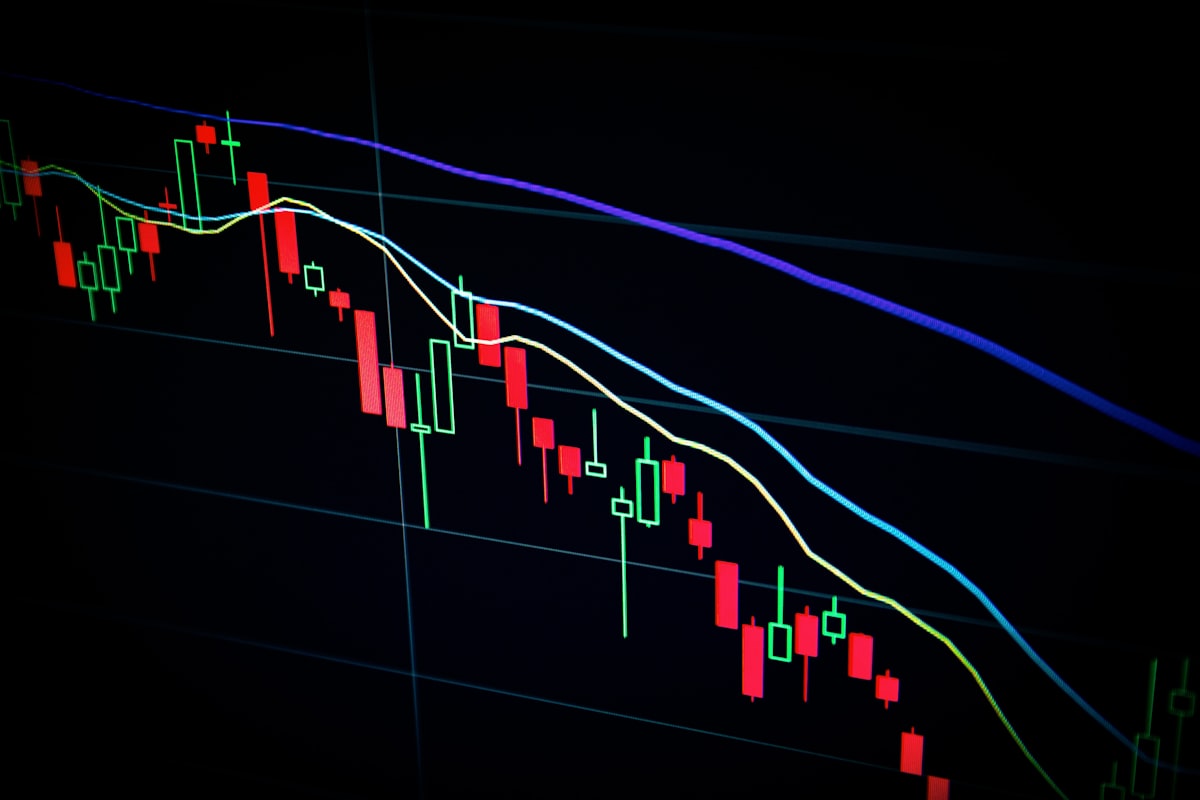
Markets are starting to panic. Bond yields have spiked. Pension funds and major investors now flee long-term government bonds. When markets lose faith before politicians admit the truth, slow crisis becomes sudden crisis fast. History repeats: Greece in 2010, Turkey in 2018, Argentina repeatedly.
No government will cut spending enough. No central bank will hold the line when panic spreads. Inflation, currency collapse, or financial repression awaits at the end of the road. The only real question is which one happens first, and how many ordinary people pay the price.

Published June 15, 2026 · Frisian News