The History of Famines and the Governments That Caused Them
June 18, 2026 · Frisian News
Famines throughout history have been caused by government policies and decisions, not by nature. From Bengal to Ukraine to China, states used control over food as a tool of power, killing millions.
In 1943, Bengal experienced a famine that killed roughly three million people. The grain was there: India exported more rice and wheat that year than in the previous one. The British government, which controlled India at the time, prioritized military supplies and sent grain to other parts of its empire. Local officials and civic leaders asked for help. Churchill's cabinet denied requests for food relief. When death tolls reached catastrophic levels, the British government blamed harvest shortfalls and bad luck, not their own choices.
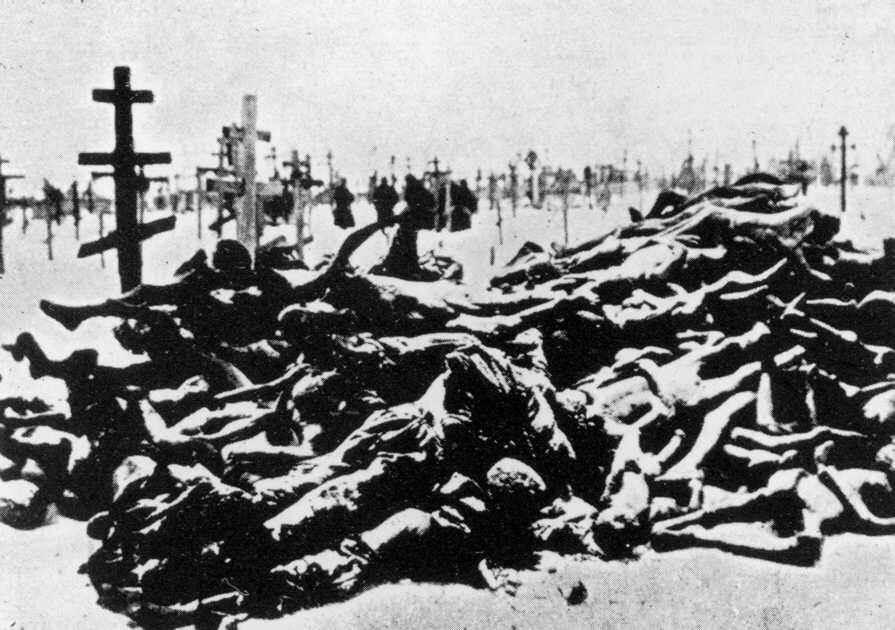
This was not an anomaly. The Irish famine of 1845-1852 killed a million people in a country with centuries of farming tradition. Ireland produced enough food to feed itself. Exports continued throughout the crisis. British policy prioritized free trade and landlord property rights over survival. Grain ships left Irish ports while people starved. A government could have intervened. It chose not to. In Ukraine, Stalin's government confiscated grain in 1932-1933, knowing the harvest had failed. The result was the Holodomor: a deliberate starvation that killed between five and ten million. The grain existed. The state took it anyway.
Modern governments claim centralized control prevents famines. The argument is seductive: better data, better logistics, better planning prevent the catastrophes of history. But the Great Leap Forward in China from 1959-1961 killed an estimated 30 million people in an era of twentieth-century technology and a state claiming total authority over food and labor. Mao's government imposed quotas it knew were impossible. It confiscated grain meant to be seed or emergency reserve. Officials lied about harvests because failure meant demotion or death. The system had no correction mechanism, no way to reverse course when the cost became visible. Power without accountability and without the ability to say no creates the conditions for mass starvation.
Famines have not disappeared. In Venezuela, government controls over production and price drove currency into worthlessness and farms into collapse. In Somalia and fragile states, weak governments and warlords cannot protect supply lines. But notice what prevents famines in most of the world: not government planning, but markets and decentralized networks that respond to price signals. A farmer sees corn is expensive and grows more. A trader sees scarcity and brings supplies from elsewhere. The moment a government assumes it can do this better than millions of individuals making their own choices, the moment it stops asking whether its decisions might starve people, risk rises.
Famines are not natural disasters. They are failures of governance. The people making the choices are not always malicious. They are often convinced they save lives or serve a greater good. History shows us that conviction without humility, and power without feedback, kills millions. The question worth asking is not whether government can prevent famine. It is whether governmental power, once assumed, can be bounded.

Published June 18, 2026 · Frisian News