How Friesland Became the World's Dairy Capital
August 16, 2026 · Frisian News
Friesland's thousands of dairy farms produce millions of liters of milk annually, making it one of the world's leading dairy regions. The province's pastoral landscape, cattle breeds, and centuries-old cheese tradition have shaped global dairy farming.
Friesland today produces millions of liters of milk annually across thousands of farms, making it one of the world's most productive dairy regions. From Ljouwert in the south to Dokkum in the north, the countryside is a checkerboard of green fields and grazing cattle. This landscape has shaped not just Friesland's economy, but dairy farming itself worldwide.
The foundation was geography. Friesland's flat terrain, rich clay soils, and temperate maritime climate are ideal for dairy cattle. By the 1600s, Frisian cheese was already a luxury good in European markets, traded by merchants who recognized its quality. The reputation built then has never faded.
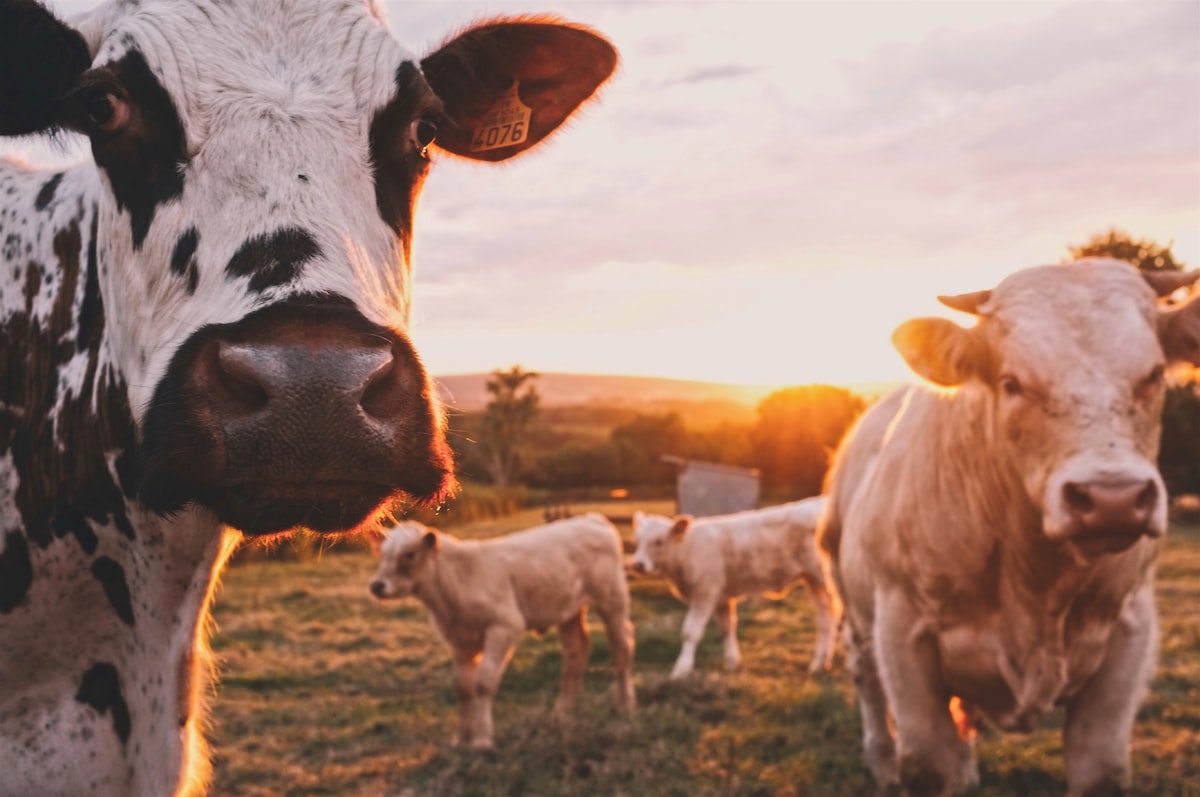
The most significant Frisian export, however, was not cheese but cattle. The black-and-white Frisian breed, refined over centuries on these farms, became the Holstein-Friesian. Today it dominates dairy herds across the globe, from the United States to New Zealand to Japan. Friesland's legacy lives in millions of cows.
But Friesland itself remains a heartland of dairy production and processing. The province's milk powers cheese factories, butter works, and dairy cooperatives. Beyond commodity milk, artisanal cheese makers continue old traditions, creating distinctive regional varieties.
Stand in any Frisian field at milking time and you are witnessing something that has unfolded in this province for centuries. The farms, the people, the animals, the daily rhythms of care and labor. Friesland did not become the world's dairy capital by accident. It was built, family by family, generation by generation, in these green fields.

Published August 16, 2026 · Frisian News