The Cryptocurrency Crash Nobody Learned From
October 23, 2025 · Frisian News
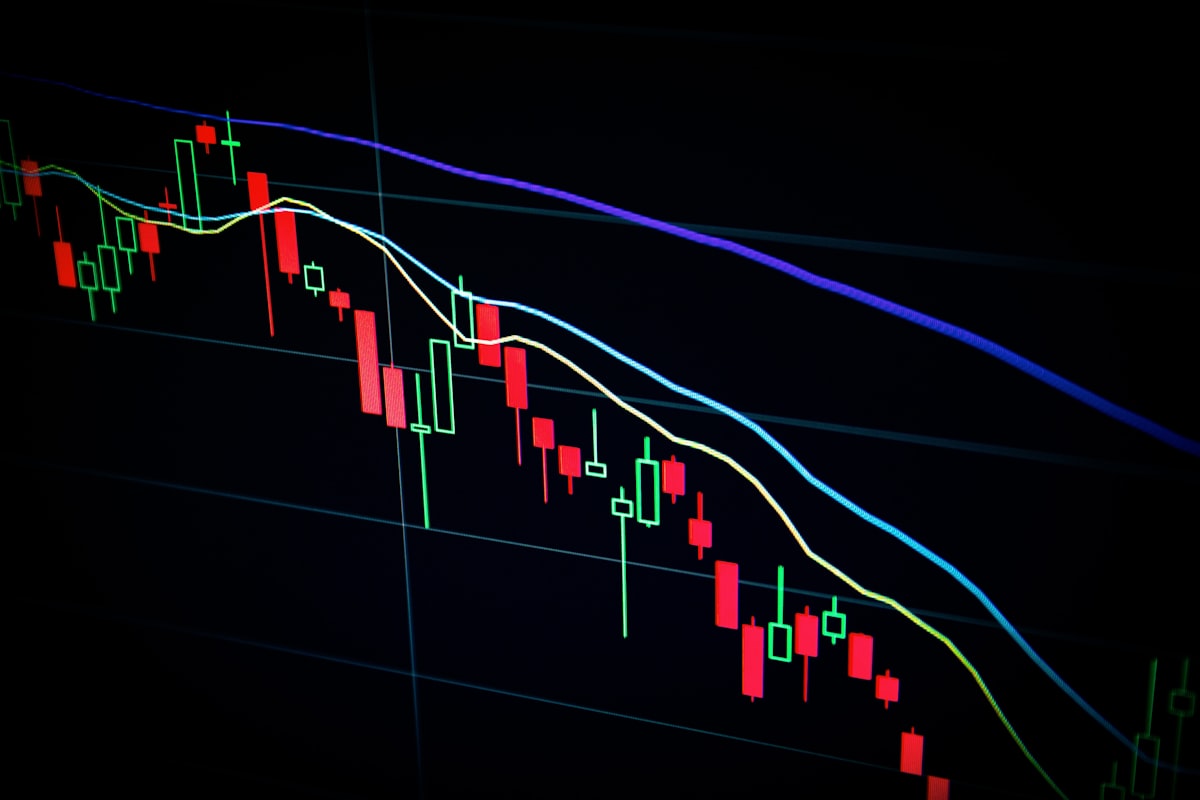
Bitcoin plummeted 40 percent in three weeks as another major exchange collapsed, yet regulators remain absent and investors repeat the same mistakes. The cycle continues because nobody faces real consequences.
Bitcoin crashed sharply over the course of a few trading days. The trigger was simple: a major platform admitted its founder had been running a Ponzi scheme while regulators watched. Thousands of retail investors lost everything. Nobody went to prison. This time, like the last time, like the time before that, the market shrugged and began crawling back up.
The pattern repeats because incentives never change. Exchanges operate in legal gray zones where they collect fees without oversight. Venture capitalists who funded the failed platform face no liability. The founder faces legal proceedings that will likely drag on for years while his assets remain offshore. Meanwhile, the people who deposited life savings on his platform get a lawsuit and false hope.
Regulators claim they lack tools to act faster. The European Commission published a crypto oversight framework in 2023 that still has not entered full force. The SEC in America spent the last two years suing exchange operators rather than writing clear rules. When people ask why clear rules exist for banks but not for platforms moving trillions, bureaucrats hide behind complexity. There is nothing complex about stopping fraud. They do not want to act because crypto remains politically useful: governments like taxing it but do not want to regulate it seriously.
Retail investors who lost money will blame themselves or the system in equal measure. But they will return to crypto within months, same as before. New platforms will launch, promising better security and transparency while offering the same business model. They will grow until a crash or scandal, then someone will lose everything again. The wealthy operators move to different jurisdictions and start fresh.
Collapses like this prove that crypto has become just another financial bubble, not a revolution. It lacks the transparency it promised and the accountability that ordinary finance at least pretends to have. As long as punishment falls only on ordinary people while operators escape, the crash will repeat on schedule.

Published October 23, 2025 · Frisian News