0.5%: Canada's slowest annual population growth since 1915 runs on immigration
September 26, 2026 · Frisian News
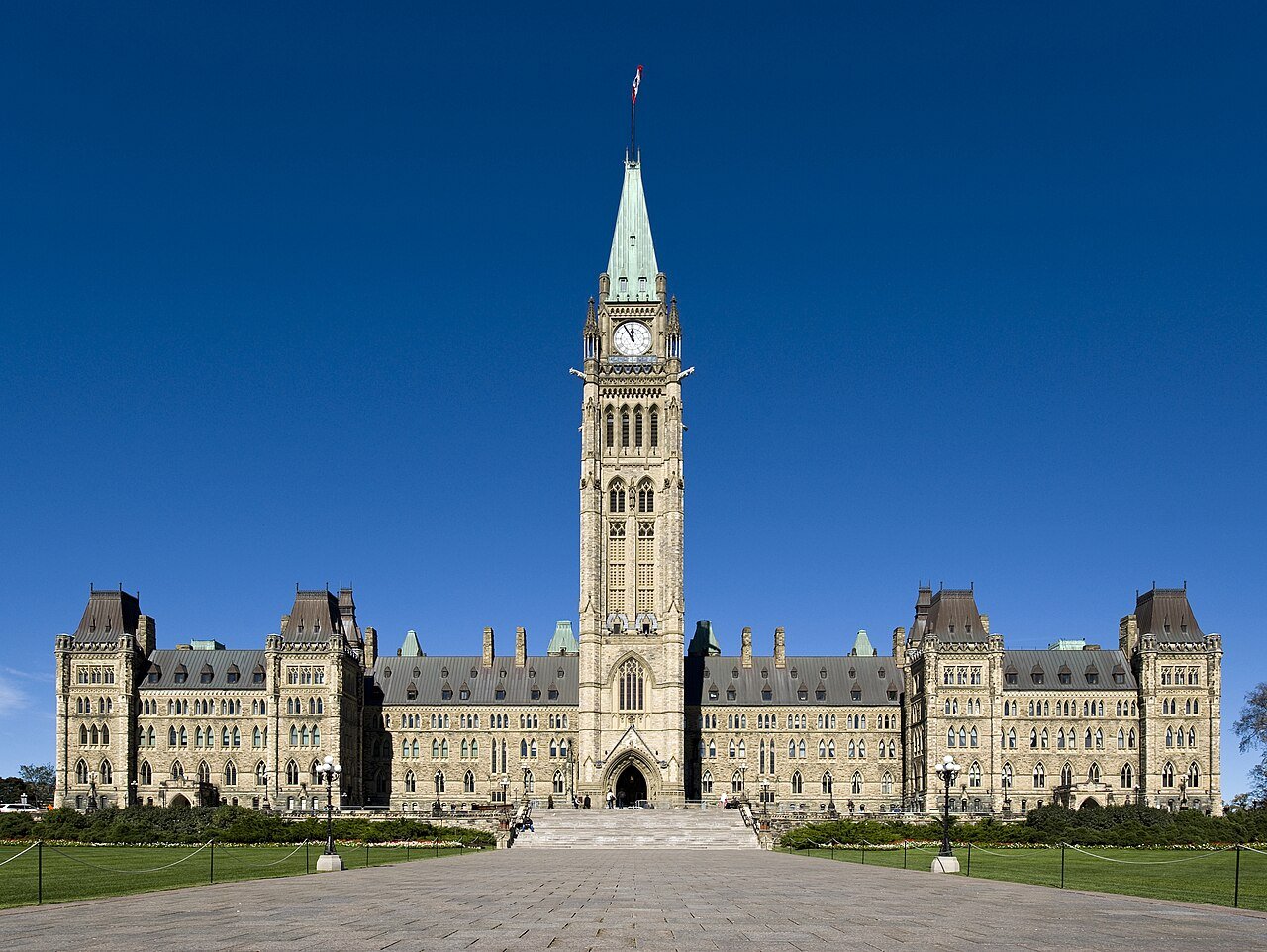
Photo: Wikimedia Commons
Canada's population reached 41,798,407 on July 1, 2026, growing by just 189,425 people in a year, the slowest rate since 1915/1916. With a fertility rate of 1.25, international migration carries almost all the weight.
Canada counted 41,798,407 residents on July 1, 2026, a gain of 189,425 people from a year earlier. Statistics Canada data compiled by demographer.org puts that annual growth rate at 0.5%, the slowest July-to-July pace since 1915/1916.
The birth rate tells you why migration carries so much weight. Statistics Canada puts Canada's total fertility rate at 1.25 births per woman in 2024, the lowest recorded in the country's history. In the second quarter of 2026 alone, natural increase, births minus deaths, contributed just 12,959 people to the population. In that same quarter, Statistics Canada's international migration estimates show 99,148 permanent immigrants arrived.
The non-permanent resident count complicates the picture. That population peaked at 7.6% of all Canadians in 2024, according to Immigration, Refugees and Citizenship Canada data, and then fell by 18,875 in the second quarter of 2026. The quarter's net population gain of 80,343 reflects that partial offset.
Ottawa's official account is one of managed correction. The 2026-2028 Immigration Levels Plan, published by IRCC, holds permanent resident admissions at 380,000 a year, a 4% cut from the 395,000 target in 2025. The government frames this as stability. The numbers frame it differently: the 2024 target had been 465,000 permanent residents, and the non-permanent resident share must fall from 7.6% to below 5% by 2027 on the government's own timetable.
The bigger shift is on temporary entries. New temporary resident targets dropped 43% in a single year, from 673,650 in 2025 to 385,000 in 2026, per the IRCC levels plan. New study permits were cut by 49%, from roughly 306,000 to 155,000. Ottawa linked both reductions directly to housing and infrastructure strain in cities including Toronto and Vancouver.
That linkage tracks with public opinion. The Environics Institute's Focus Canada survey, conducted in late 2025, found that 56% of Canadians believe the country accepts too many immigrants, a share that more than doubled between 2022 and 2024 before stabilising. At the same time, immigrants as a share of total population reached 23% in the 2021 Census, the highest level since Confederation, and 44% of Canadians are now first or second generation.
Statistics Canada's medium-growth projection, the M1 scenario, places Canada at 57.4 million by 2075. It assumes immigration running at around 9.1 to 9.2 per thousand of population through the projection period. With the fertility rate at 1.25 and the share of Canadians aged 65 and older now at 20.0%, per Statistics Canada's September 2026 release, the demography leaves little room for natural growth to substitute.
A sharp post-pandemic surge in newcomers triggered rising public concern over housing affordability and service capacity. Now the government has pulled back on temporary entries while holding permanent targets near historic highs. Whether slowing the intake without addressing supply solves anything, the population clock will answer.

Published September 26, 2026 · Frisian News