15 Million Barrels Left: Bessent Gives Iran Two Weeks Before Its Oil Lifeline Runs Out
September 28, 2026 · Frisian News
Photo: Wikimedia Commons
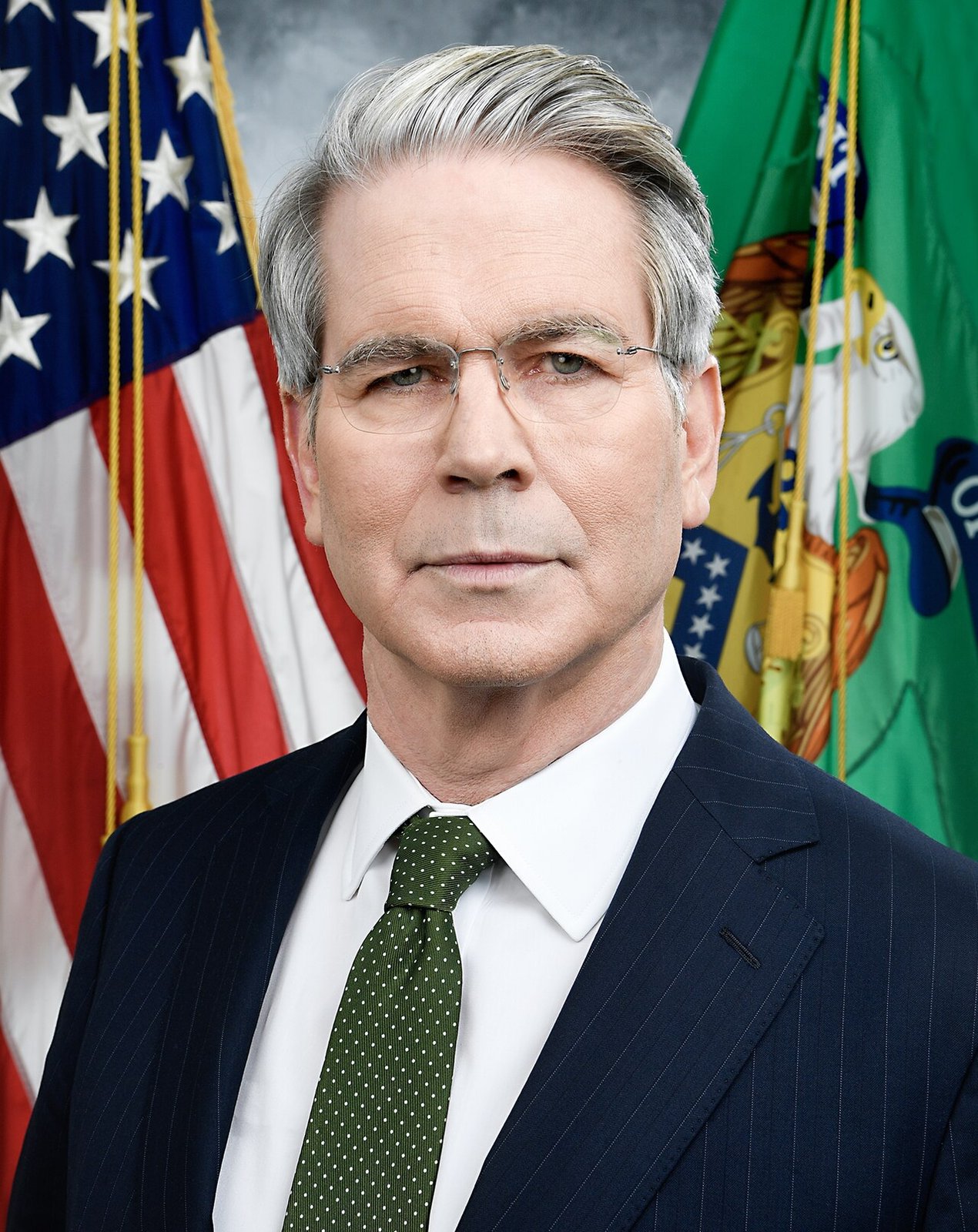
Treasury Secretary Scott Bessent says only 15 million barrels of Iranian oil remain on the water, with final deliveries to China expected within two weeks. After that, Tehran will have nothing left to trade.
Fifteen million barrels. That is all the Iranian oil Treasury Secretary Scott Bessent says remains on the water, and he attached a deadline to it: two weeks before the final shipments reach China and Tehran is left with nothing to trade for anything.
Bessent made the claim on Fox News' "Sunday Morning Futures" on Sunday, framing it as the endpoint of Operation Economic Outcast, the campaign he launched last month targeting foreign governments and companies that do business with Iran. "Iran will have nothing left to trade for anything," he said. "Probably within the next two weeks, they are going to make their final deliveries of oil to China, and then they will have nothing. It is an empty set."
Last week, senior Iranian officials proposed a seven-day ceasefire under which Tehran would reopen the Strait of Hormuz in exchange for the United States unfreezing roughly $12 billion in frozen assets, lifting the blockade and easing sanctions. President Trump rejected the offer on Saturday, telling Axios that Iran had "overplayed their hand."
Bessent contested the premise of the Iranian offer directly. He said the Strait of Hormuz is already open, with throughput running at 15 to 22 million barrels a day against roughly 20 million barrels a day before the conflict began. More than one billion barrels have moved through while Iran received zero, Bessent told Fox News. The Trump administration says the US military is escorting vessels through a route close to the shores of Oman.
The deeper problem for Washington is China. Fortune reported that China buys 90 percent of Iran's oil, and Beijing responded to earlier US pressure with a defiant warning rather than compliance. Iranian bank branches remained open in Dubai and Abu Dhabi at the end of August, commercial flights between Iran and Turkey and the UAE continued, and Pakistan's Foreign Ministry spokesman Tahir Andrabi told reporters that Islamabad "is not obliged" to respond to unilateral sanctions.
Analysts have been blunt. Leland Miller, CEO of China Beige Book data platform and a commissioner on the US-China Economic and Security Review Commission, said: "You can't unleash meaningful economic warfare on Iran while ignoring the one country that absorbs 90% of its oil exports." Alex Zerden, a former US Treasury official and founder of Capitol Peak Strategies, said the Treasury's public actions "do not match the hype." Stephen Fallon, principal adviser at DBM Consulting, called the idea of knocking out Iran's economy with the campaign "risible."
Bessent acknowledged that the Memorandum of Understanding collapsed in July and said Operation Economic Outcast is designed to ensure Iran honours any future deal. "They did not stick to the MOU," he said. "Next time, if there is a deal, and that's at President Trump's discretion, they will stick to it, because they are on their knees." Iran's Foreign Minister Abbas Araghchi said Trump's rejection of the ceasefire proposal might not represent a final position, the New York Times reported.
Fifteen million barrels and two weeks. The clock is public. If the oil keeps moving when the deadline passes, Tehran and Beijing will both know what a US countdown is worth.

Published September 28, 2026 · Frisian News