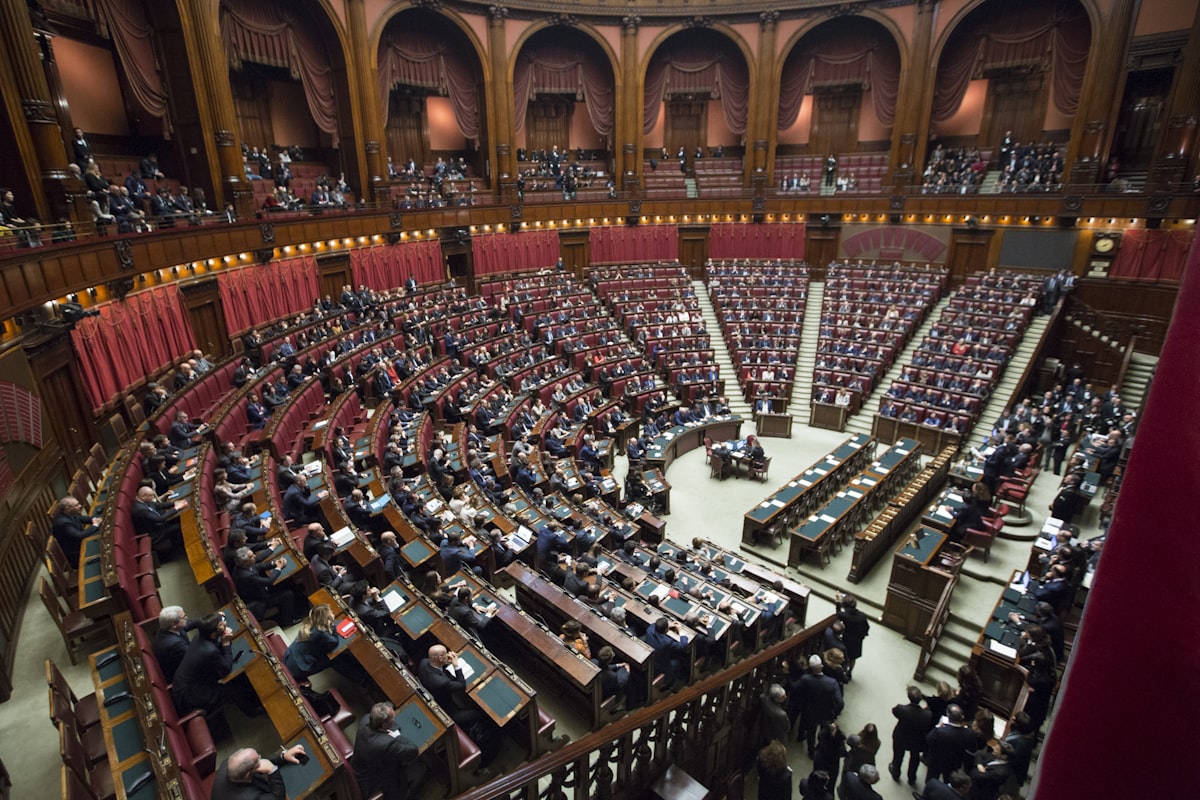
How the AfD Became the Second-Largest Party in Germany
June 23, 2026 · Frisian News
The Alternative for Germany won 18.5 percent of the vote in the June 2026 federal election, becoming the second-largest party by vote share. Established parties offered voters no serious answer to their concerns about immigration and EU policy.
The Alternative for Germany won enough of the vote in the federal election to become the second-largest party by vote share. The establishment parties that have governed Germany for decades watched it happen and offered no serious answer to voters who chose them.
The AfD's rise did not begin last week. For over a decade, immigration and EU policy have moved faster than Berlin could manage them. Millions of Germans watched their cities change and asked whether anyone in the Bundestag was listening. The answer was largely no. The SPD, Greens, and CDU competed on who would welcome more newcomers, not on whether the numbers made sense. Voters took their answer to the ballot box.
What the media called extreme the voters called honest. The AfD asked the questions no one else would ask: why does Germany's immigration policy depend on EU rules no German voter approved? Why does Brussels decide Germany's energy future? Why does the media treat skepticism of these policies as a moral failing? The mainstream press spent years warning that voting AfD would end democracy. The voters in eastern Germany, who have seen their towns empty and their wages stagnate, heard that message and voted AfD anyway.
The numbers tell the story. AfD support is strongest in the former East Germany, where it reached its highest levels in some states. Western voters, richer and insulated from immigration by geography, gave them lower support. The party's voters are not unemployed or uneducated, as the stereotype claims. Reports suggested they include skilled workers, small-business owners, and many who work in manufacturing. They are not economic failures seeking a scapegoat. They are people whose concerns were dismissed as backward.
The question now is whether Berlin learns or doubles down. The Greens want to move further left on climate and migration. The SPD wants to pretend nothing happened. The CDU might exclude the AfD from coalition talks, which is the easy choice but not the honest one. German voters chose the second-largest party in the country. Ignoring them is how you get the largest party next time.

Published June 23, 2026 · Frisian News