How the AfD Became the Second-Largest Party in Germany
September 20, 2025 · Frisian News
The Alternative for Germany has climbed to second place in German politics by exploiting voter anger over immigration, energy costs, and perceived elite contempt for ordinary communities. The party's growth reflects genuine public discontent that mainstream parties failed to address.
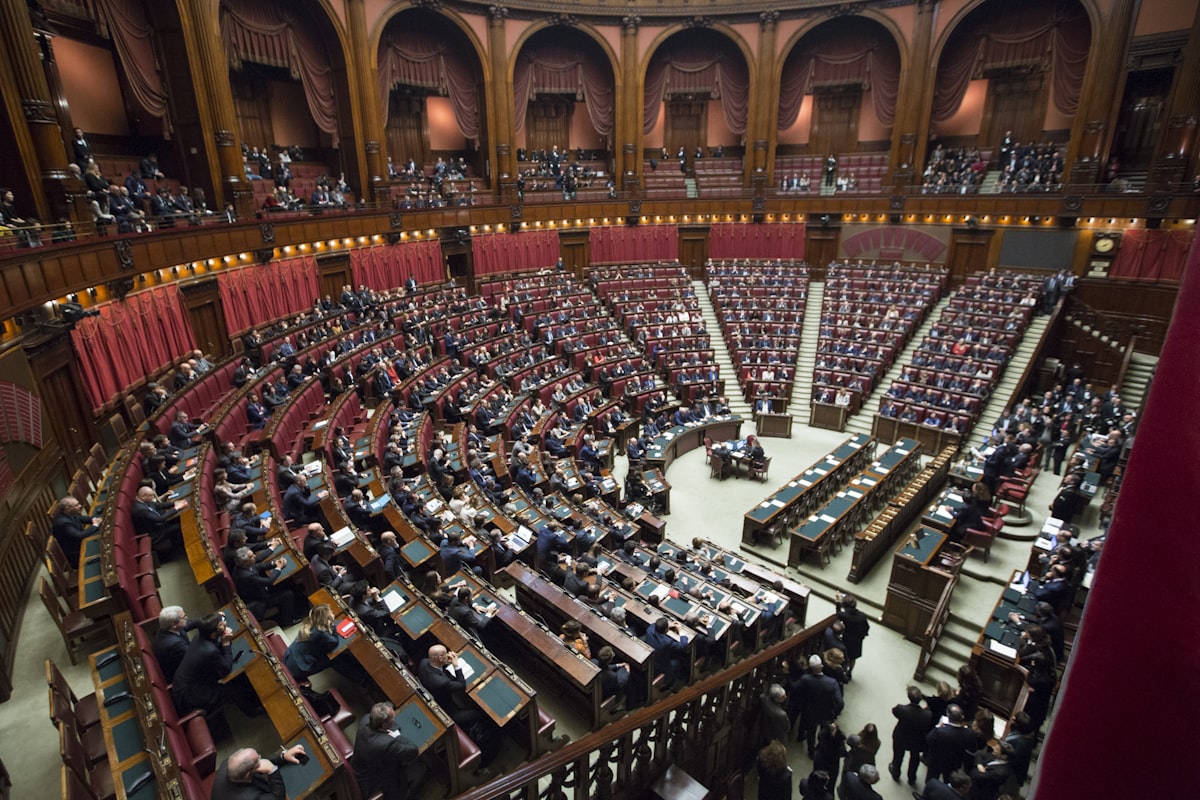
The AfD filled seats in German parliament this week with a voice that establishment figures spent years trying to marginalize. The party now sits as Germany's second force, a position unthinkable in its early years, when it ran on technocratic euro-skepticism alone. Something shifted. Working-class voters in the rust belt east and struggling small towns across the west stopped listening to chancellors and started voting against them.
Immigration turbocharged the AfD's rise, but it did not create it. Germany absorbed over a million asylum seekers between 2015 and 2016 under Angela Merkel's open-door policy. Services collapsed in some towns. Housing costs shot up. Schools reported chaos. Mainstream politicians called voters who complained bigots. Voters remember that. They voted accordingly when the moment came.
Energy prices exposed a second raw nerve. German industry faces ruinous electricity costs, partly because the country dismantled nuclear power while building solar farms and wind turbines that do not run all night and winter. Families watched heating bills soar. Small manufacturers shut down. Meanwhile, political elites lectured about climate targets and green transitions without offering working people a path forward. The AfD promised to restart coal plants and cut red tape. People listened.
The party also benefited from quiet resentment toward what ordinary Germans call the Merkelraute consensus, the cartel of CDU, SPD, and Greens that governed for years without serious opposition. When you offer voters no real choice for a generation, they invent one. The AfD became that invention.
German establishment figures now warn darkly about the danger. They may be right. But they might also consider why millions of voters found a disruptive outsider party more appealing than the message of continuity these same figures offered. That gap between what elites say and what people feel, that gap did not appear yesterday. It grew, deliberately ignored, for years.

Published September 20, 2025 · Frisian News