90%, Not 100: Germany and France Move to Soften the EU's 2035 Engine Ban
October 17, 2026 · Frisian News
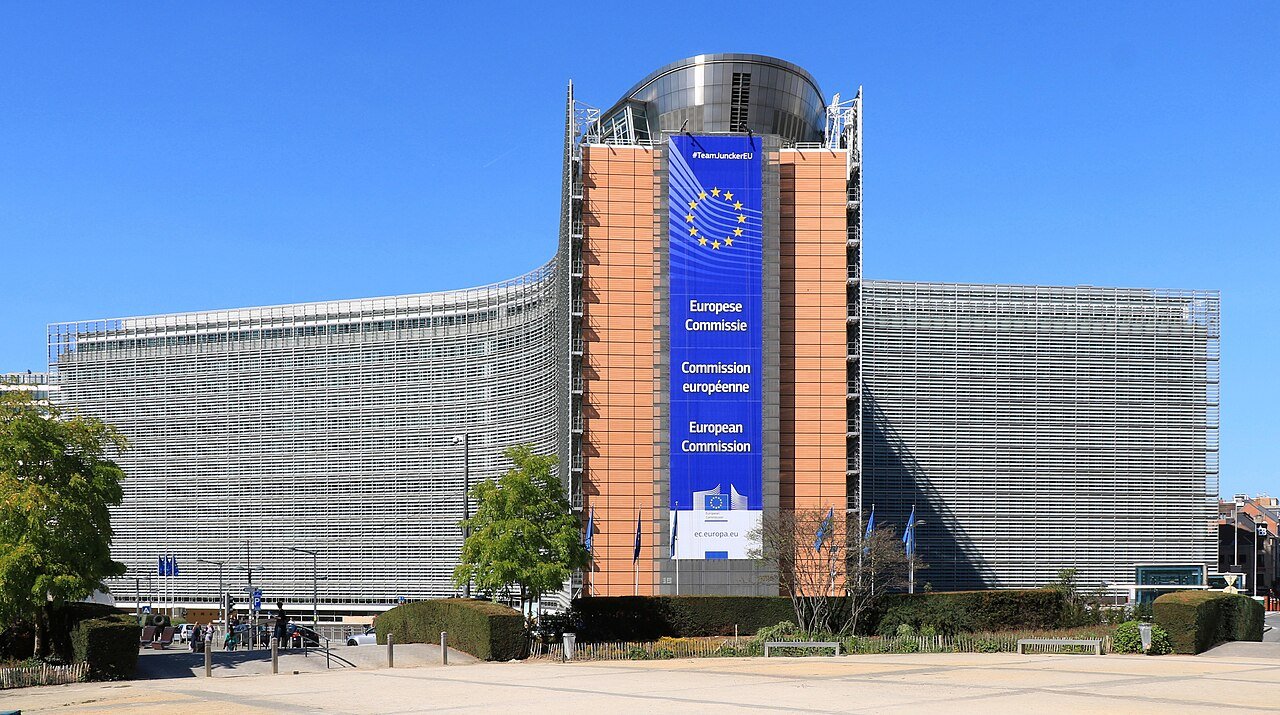
Photo: Wikimedia Commons
Germany and France have agreed to push for a 90 percent CO2 reduction target for new cars by 2035, replacing the EU's legislated 100 percent and dropping the offset requirements the European Commission had proposed.
Ten percentage points separate the EU's binding 2035 car law from the position now held by its two largest member economies. Germany and France announced on Friday that they want new combustion-engine car fleets to cut average CO2 emissions by 90 percent from 2021 levels by 2035, not the 100 percent written into current EU law, Politico reported.
The European Commission had already proposed softening the target to 90 percent, according to TheDriven. That proposal came with a condition: carmakers would offset the remaining 10 percent by using carbon-neutral fuels or low-carbon steel. The Franco-German deal removes that condition, Politico reported. Reach 90 percent and you owe nothing more.
The agreement is a political trade. Germany accepted stricter "Made in Europe" content requirements for the automotive sector under a proposed Industrial Accelerator Act, a demand France had held for months. France, in return, dropped its opposition to loosening the 2035 standard. France had been part of a blocking minority with Sweden, Spain, Denmark, Luxembourg, the Netherlands and Portugal that resisted further dilution of the rules, according to TheDriven. France switching sides is likely to hand the deal the majority needed among member states.
Berlin and Paris framed the shift as consistent with the EU's climate aims. "This balanced approach will enable the European Union to pursue its climate objectives while strengthening the technological sovereignty, industrial base and international competitiveness of its automotive industry," the two governments said in a joint statement, as quoted by Politico. German Environment Minister Carsten Schneider of the Social Democratic Party called it "a modern realignment of German industrial policy" with "significantly greater emphasis on preserving jobs and production sites."
The numbers tell a different story. Clean transport group Transport & Environment warned that the Commission's earlier 90 percent proposal, before the offset requirement was removed, would already lower the share of battery-electric vehicles in 2035 new car sales to around 85 percent. The same analysis projected that car CO2 emissions from 2025 to 2050 would be about 10 percent higher than under current rules, according to TheDriven. Susanne Goetz, T&E Germany's mobility policy officer, said the politicians claimed they wanted to save jobs but could "ultimately seal the decline of Europe's automotive industry."
The proposal still needs approval from both the European Parliament and member states, Yahoo News reported. Michael Bloss, the Green Party's lead negotiator on CO2 fleet emissions in the European Parliament, called the deal a "brake on the booming uptake of electric cars." Jan-Christoph Oetjen, the Free Democratic Party's transport policy spokesman, welcomed the proposal as an important signal of support for the automotive industry. "Flexibility for carmakers and technological neutrality in achieving our climate goals helps not only manufacturers but also suppliers," he said.
The 2035 target was agreed in 2023 to cut transport emissions as the EU works toward climate neutrality by 2050, according to TheDriven. Germany, home to Volkswagen, BMW and Mercedes-Benz, lobbied hard for more flexibility, pointing to Chinese competition and US tariffs. EU Transport Commissioner Apostolos Tzitzikostas told the German business daily Handelsblatt that the Commission would be "open to all technologies" in its review of the emissions rules, according to Applus+ IDIADA.
The 2035 target went into law three years ago. Europe's two largest economies spent Friday tearing out a page.

Published October 17, 2026 · Frisian News