£320,786 Spent, 500,000 Scanned: Britain's Rail Facial Recognition Made No Arrests
September 30, 2026 · Frisian News
Photo: Wikimedia Commons
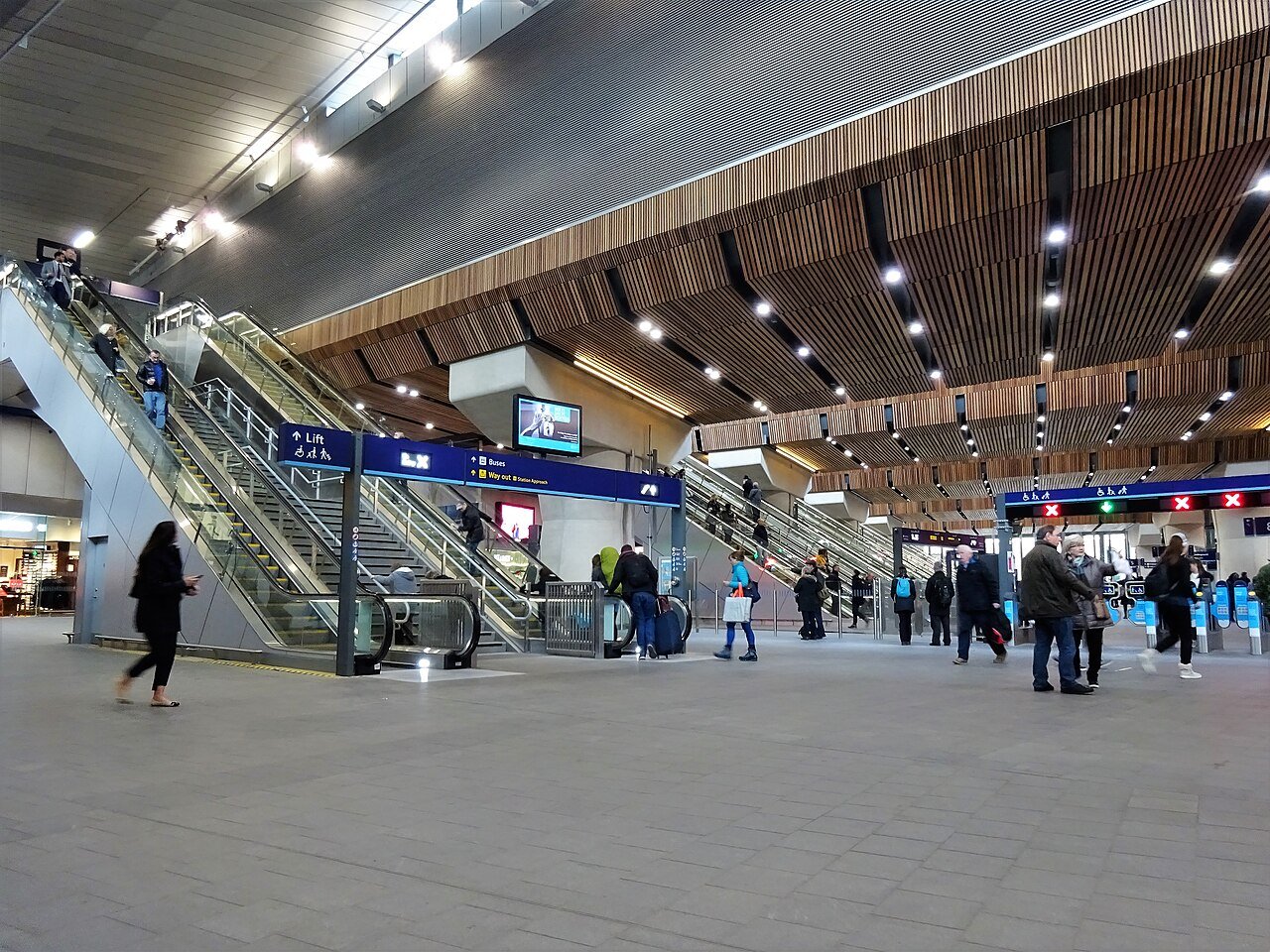
British Transport Police spent £320,786 scanning more than half a million passengers at London railway stations over six months. The live facial recognition system generated one alert, which was a false positive, and produced no arrests.
One. That is the number of alerts British Transport Police's live facial recognition system generated after scanning more than half a million railway passengers across London over six months. The alert was wrong.
A freedom of information document obtained by Liberty Investigates shows that eighteen deployments between February and July this year cost £320,786 in equipment hire and police staffing, consumed almost 100 hours of officers' time, and produced a single match against a watchlist of wanted suspects. That match turned out to be an incorrect identification, a false positive. No arrests came from the system at all.
British Transport Police framed the trial as a tool to catch offenders and identify people breaching court orders. Transport for London, which backed an extension of the programme, said the technology "will target and identify people on police watchlists at key stations chosen for maximum impact" and would "specifically tackle violence against women and girls, whose travel behaviours are shaped by experiences of sexual harassment and sexual offences." The numbers produced by the trial do not support that confidence.
BTP has since extended the trial for a further four months and expanded deployments to include London Underground stations. A BTP spokesperson told Liberty Investigates and the Guardian that officers made arrests during the trial period for assault, theft, possession of an offensive weapon, breach of a criminal behaviour order and public order offences, and located individuals wanted by courts. The force added that none of those arrests resulted directly from an LFR alert, which is why they are excluded from the official performance data. The system itself, on its own terms, scored zero.
Fraser Sampson, the former Biometrics and Surveillance Camera Commissioner for the United Kingdom and now a non-executive director of Facewatch, a company that operates facial recognition systems in retail outlets, drew the distinction plainly. "We know the technology works," Sampson said, "but using it in supermarkets to deter shoplifters and prevent attacks on staff is very different from deploying it to catch people on a public transport network. Success in a shop means no such people coming in. Success for the police trying to catch people means people being caught. In that respect the trial doesn't appear to have been very fruitful." He also noted that the system's output depends entirely on the composition of the watchlist: anyone not on it is not detected by the system and their image is not retained in the same way as it would be by CCTV cameras, but everyone scanned is having their biometric data processed under special category rules.
Parliament's joint committee on human rights, in a recent report calling on the government to legislate on artificial intelligence and human rights, identified the rollout of live facial recognition as a "particularly clear example of risk." Bell Ribeiro-Addy, the Labour MP for Clapham and Brixton Hill, argued the government should suspend the rollout until stronger safeguards and a proper legal framework are in place. "Tackling violence against women and girls on public transport must be an urgent priority," she said, "but that means investing in what actually works, not spending more than £320,000 on a measure which, when piloted, resulted in zero arrests and a single false alert."
More than half of police forces in England and Wales have now deployed live facial recognition on public streets, according to analysis by Liberty Investigates. The Metropolitan Police and the Mayor of London's office announced this summer that fixed cameras will go into the West End. Mayor Sadiq Khan has confirmed the technology will be used on the newly pedestrianised Oxford Street.
£320,786 for a single incorrect match is not a performance metric. It is a price.

Published September 30, 2026 · Frisian News