20,800 of 31,100 Child Migrants to Europe in 2025 Traveled Without an Adult
October 8, 2026 · Frisian News
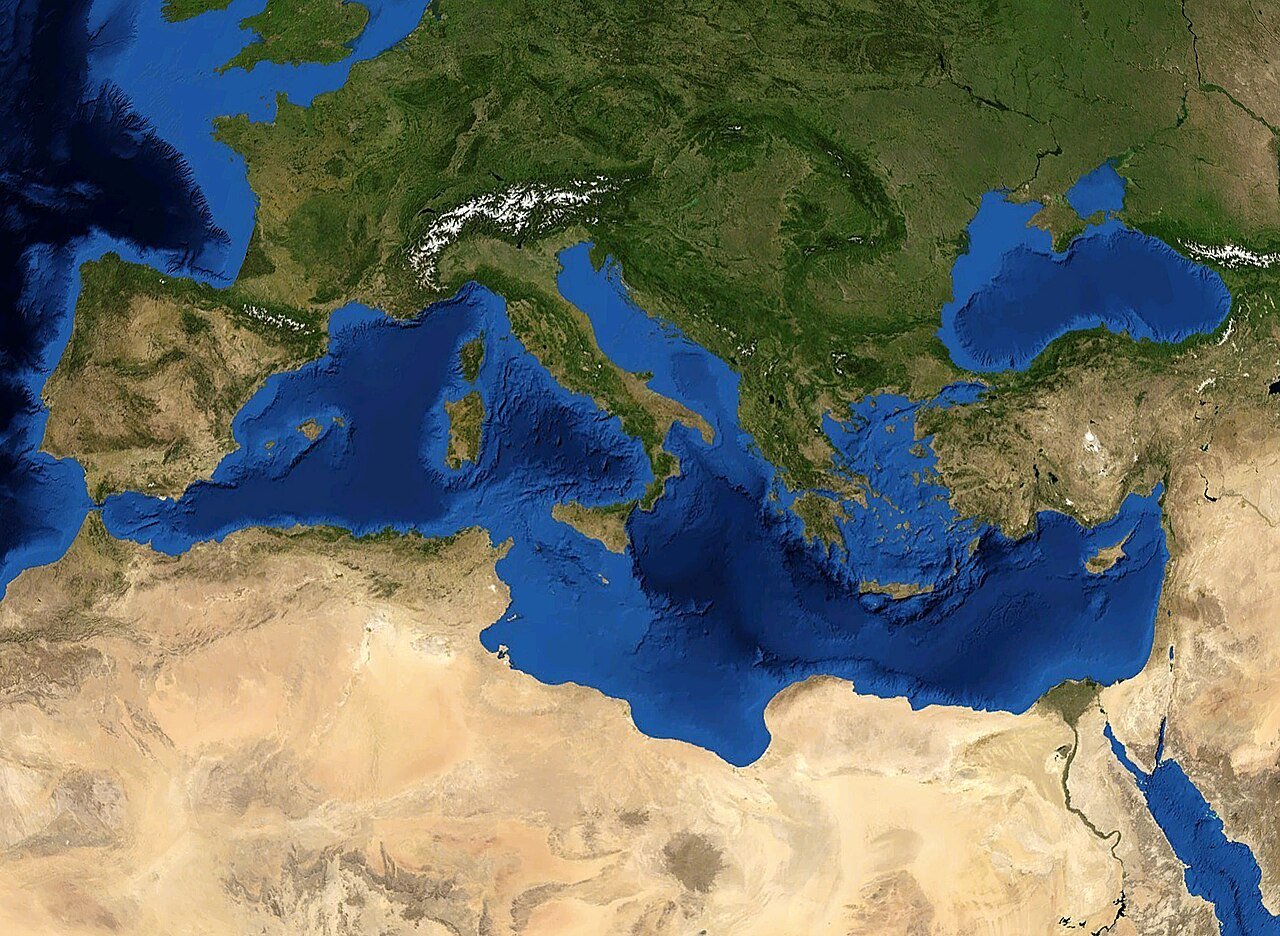
Photo: Wikimedia Commons
More than 20,800 of the 31,100 children who reached Europe via Mediterranean and Balkan routes in 2025 arrived without a parent or guardian, a joint IOM, UNHCR and UNICEF report found. The unaccompanied share rose from 51 to 67 per cent in a single year, even as total child arrivals fell 25 per cent.
20,800 of the 31,100 children who reached Europe's Mediterranean and Balkan entry points in 2025 made the crossing without a parent or guardian. That is 67 per cent of the total, up from 51 per cent in 2024, according to a joint report published on 7 October by the International Organization for Migration, the UN High Commissioner for Refugees and UNICEF.
Overall child arrivals in Bulgaria, Cyprus, Greece, Italy, Malta and Spain fell 25 per cent against the previous year, the three agencies recorded. The decline did nothing to reduce the unaccompanied share. Sixteen percentage points shifted in a single year. Of all children counted, 78 per cent were boys and 22 per cent were girls.
Italy ran against the falling trend. Child arrivals there rose 12 per cent to 14,083 by sea, of whom 12,177 were unaccompanied, IOM, UNHCR and UNICEF reported. Egypt, Eritrea, Bangladesh and Somalia were the main origin countries. In Italy and Spain combined, 86 per cent of all child arrivals came without an adult. Spain recorded more than 4,700 unaccompanied minors, chiefly from Algeria, Morocco, Mali and Senegal. Greece took in nearly 10,000 children, just over 3,000 of them alone.
The Italian government's response has been legislative. Decree-Law 1/2023, known as the Piantedosi decree after interior minister Matteo Piantedosi and converted into Law 15/2023, requires rescue vessels to sail immediately for an assigned port after a single rescue, with fines and administrative detention for non-compliance. Courts suspended several of those detentions. The Constitutional Court let the decree stand on 8 July 2025 but ruled national rules cannot override the duty to save life at sea; tribunals in Agrigento, Brindisi and Crotone have lifted individual impoundments.
IOM Director General Amy Pope said the findings show "how exposed they are to violence and exploitation when safe pathways are limited, and they have to rely on smugglers." The agencies attribute the rising unaccompanied share partly to shrinking legal options. The joint report records that 3,400 children entered refugee resettlement procedures to Europe in 2025, down from 8,900 the year before. Under the Voluntary Solidarity Mechanism, only 199 children were relocated between European states, a fall of 67 per cent, and none were unaccompanied.
The Italian government argues the opposite direction of causation: the near-certainty of rescue and disembarkation, including by NGO vessels patrolling off Libya before requesting an Italian port, itself functions as a pull factor, and smugglers price crossings on that expectation. The joint report does not estimate how many children were turned back, how many died en route, or how old unaccompanied claimants were assessed to be after arrival.
On the violence data, the IOM interviewed more than 4,600 people aged 15 to 24 along the Mediterranean, West African Atlantic and Western Balkan routes. Nearly half reported physical violence. On the central Mediterranean route, 28 per cent said they had been held against their will and 17 per cent said they had been forced to work. Libya was the country named most often as the place where abuses occurred.
The EU's Pact on Migration and Asylum began to apply on 12 June 2026 and shields unaccompanied children from the accelerated border procedure unless they are assessed as a security risk. In 2025, 214,600 children sought international protection across Europe, the joint report records, with rejections of first-instance claims rising 25 per cent. Spain transferred 1,143 unaccompanied minors from the Canary Islands, Ceuta and Melilla to other regions by 19 March 2026 under a reform of article 35 of the immigration law, with around 3,800 still in the three territories.
The unaccompanied share has now crossed two-thirds.

Published October 8, 2026 · Frisian News